
What Is Fiber Splice Tray
Search optical fiber, connectivity, cable management and network infrastructure references.
-
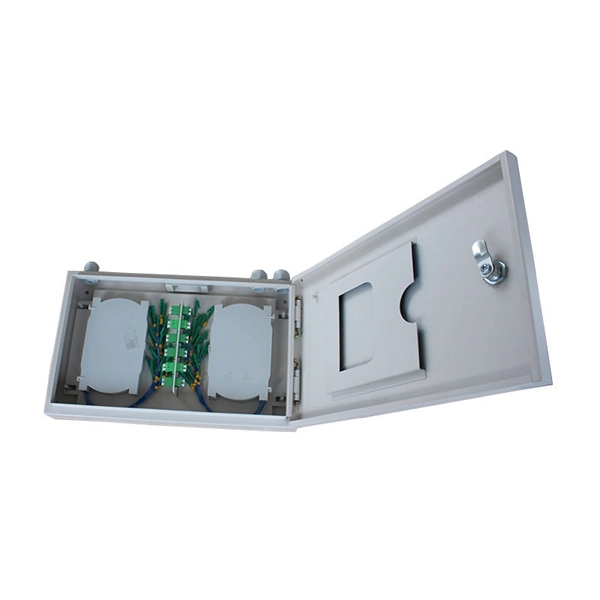
What is a fiber optic splice tray
Essential Guide to Fiber Optic Splice Tray SolutionsFibre optic splicing trays are an essential part of manipulating and ordering optical fibers inside a n.
[PDF Version]
-

The function of the fiber optic distribution box splice tray
• Splice Tray: This compartment is designed for fiber splicing and storage. It features slots or holders that secure spliced fibers, protecting them from bending, physical damage, or external stress. It is designed for installation inside: A good splice tray. Splice trays are...
[PDF Version]
-
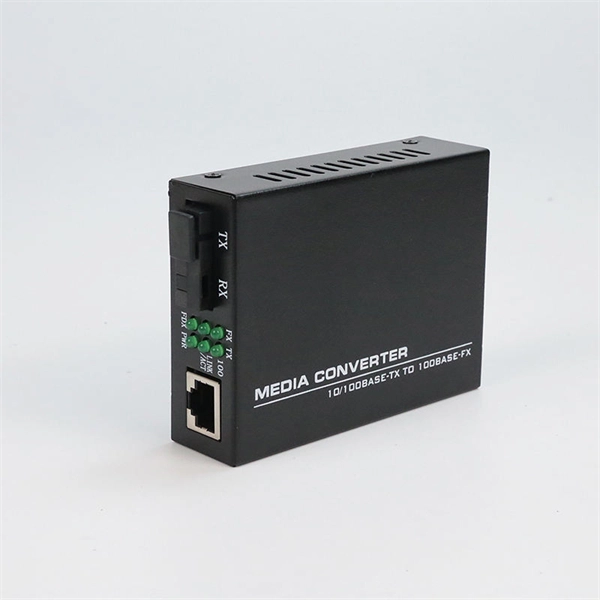
What is the attenuation of the fiber optic splice closure
The insertion loss (or attenuation) is usually specified in decibels, calculated as 10 times the logarithm of base 10 of the ratio of input and output powers. Losses can be introduced by various means such as intrinsic material absorption, scattering, bending, connector loss...
[PDF Version]
-
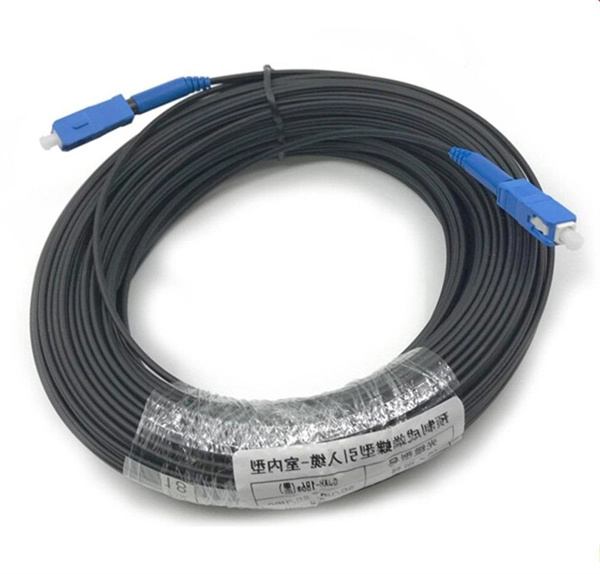
What is the purpose of fiber optic splice closures
Guide to Fiber Optic Splice Closure: Importance, Types A fiber optic splice closure is a device used to protect fiber optic splices from environmental cond.
[PDF Version]
-
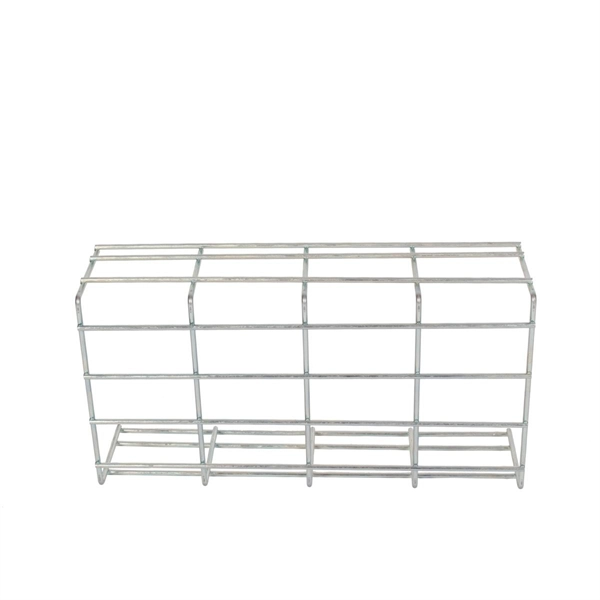
Is a fiber optic splice tray a fiber optic cable box
A splice box Splice Cassettes (splice trays) (also known as splice distributor) is a housing in which fiber optic cables begin or end. In the past, fiber optic splice trays were usually installed in a box that hung on the wall. A fiber optic splice tray is a component of...
[PDF Version]
-
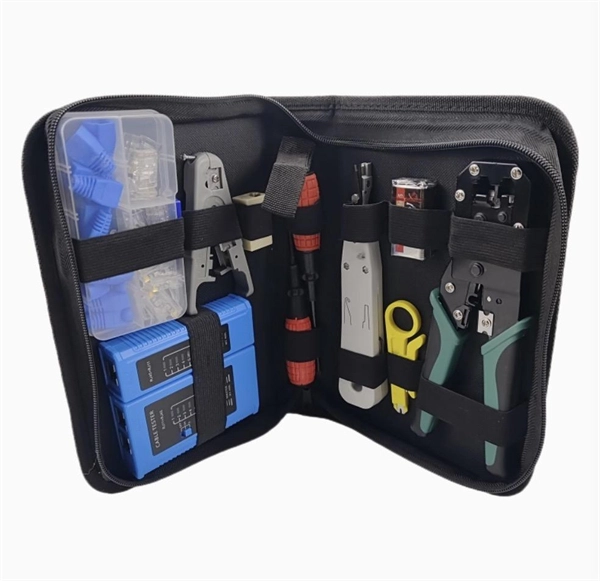
What types of 8-core optical fiber splicing are included
There are 2 methods of splicing, mechanical or fusion. Imm (main cord) Material Stainless Steel Color Silvery White UL94 V-0 (*Burning stops within 10 seconds on a veritcal specimen, no drips of flaming particles. ) *Exact product code is subject to the cable length...
[PDF Version]
-
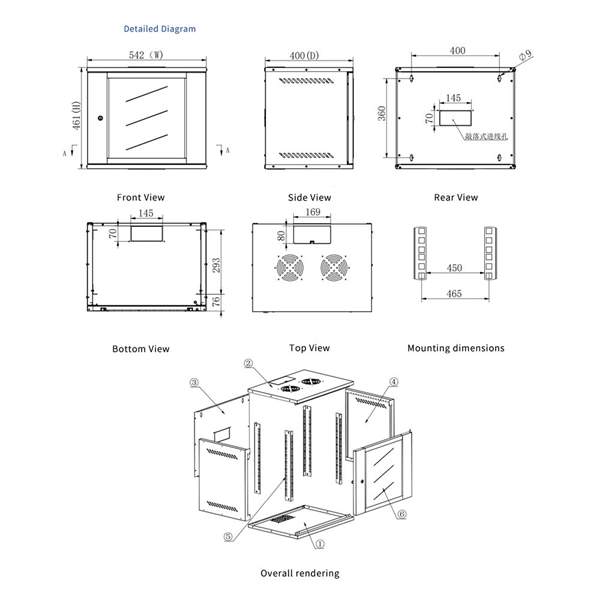
What is a multi-film fiber optic connector
The MPO/MTP connector is a multi-fiber connector designed to handle parallel fiber transmission, typically 8, 12, 16, or 24 fibers per connector. Unlike fiber splicing, which is permanent, connectors allow for easy connection and disconnection of cables, making them ideal for...
[PDF Version]