
How can one identify a broken fiber optic cable?
To identify a broken fiber optic cable, start by performing a visual inspection for any physical signs of damage, such as bends, cracks, or breaks...
Search optical fiber, connectivity, cable management and network infrastructure references.
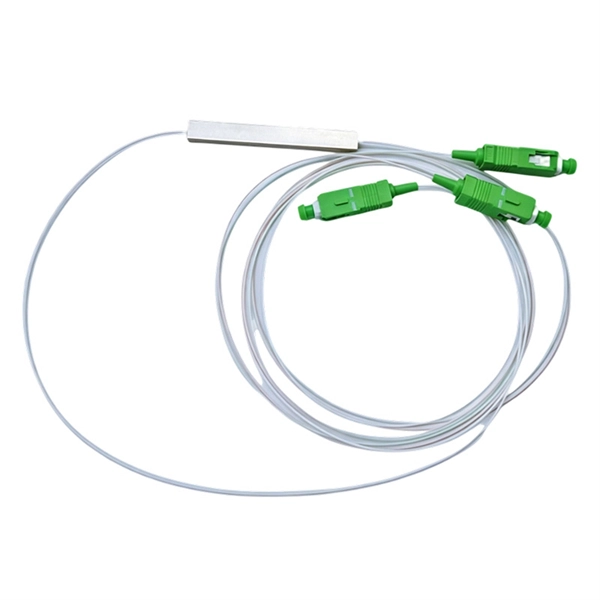
Fiber Network Troubleshooting – Common Issues & FixesLearn how to troubleshoot fiber networks. Identify common issues like high loss, dirty connectors, and.
[PDF Version]To identify a broken fiber optic cable, start by performing a visual inspection for any physical signs of damage, such as bends, cracks, or breaks...
There are several methods to test fiber optic cables without a tester. One method is using a visual fault locator (VFL), as mentioned earlier, to v...
Intermittent fiber optic connections can be caused by a variety of factors, including: Poorly terminated connectors or splices that result in unsta...
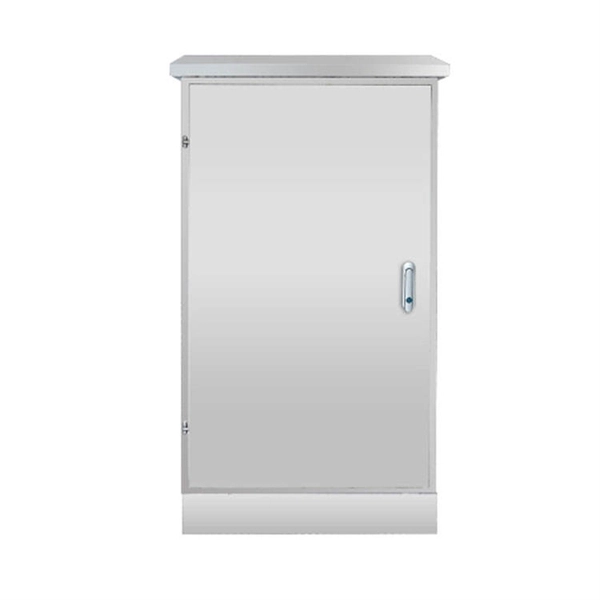
Maximum open circuit voltage 1000V, with high voltage lightning protection device protection. A Solar Combiner Box is an essential component in solar power systems that combines multiple strings of solar panels into one main output circuit. It provides critical protection...
[PDF Version]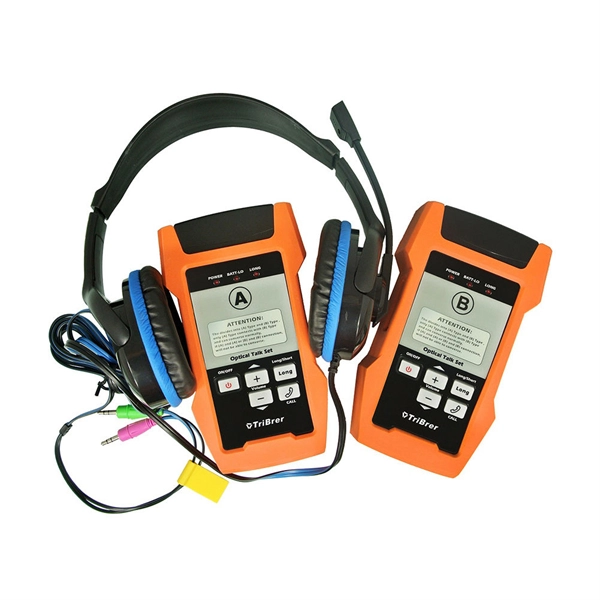
A fiber patch panel is a mounted enclosure—either rack-mounted or wall-mounted—used to terminate, manage, and interconnect multiple fiber optic cables. It acts as a hub for organizing splices and patch cords, streamlining fiber management and preserving signal integrity. ODF...
[PDF Version]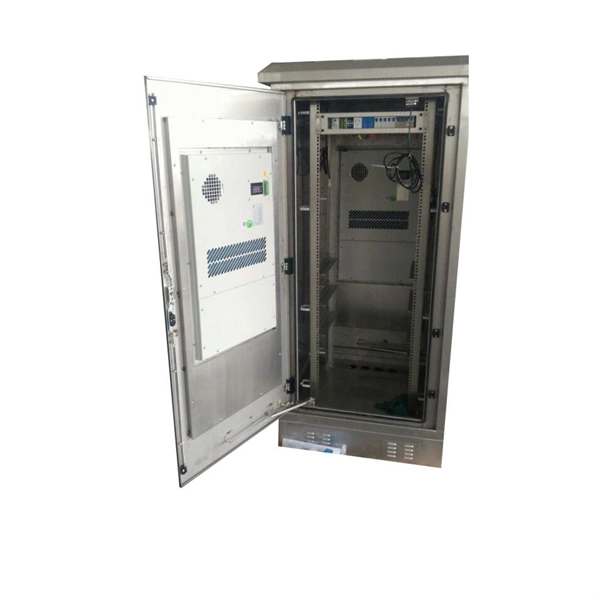
A fiber wall socket is specifically designed to terminate optical fiber cables, typically using SC or LC adapters, and includes space for fiber splicing. A standard ethernet outlet utilizes copper twisted-pair cabling and RJ45 jacks. Whether you're a homeowner upgrading to...
Its primary function is to detect and isolate faults by measuring the impedance (or distance) between the relay location and the fault point. This protection scheme is commonly utilized in high-voltage transmission lines and distribution networks. It is quite simple to...
Share the fiber interfaces, termination capacity, cable route and evidence required for handover.