
What is the width and depth of a server rack?
The standard width for a server rack is 19 inches, the most common size for rack-mounted IT equipment. The depth of server racks can vary, typicall...
Search optical fiber, connectivity, cable management and network infrastructure references.
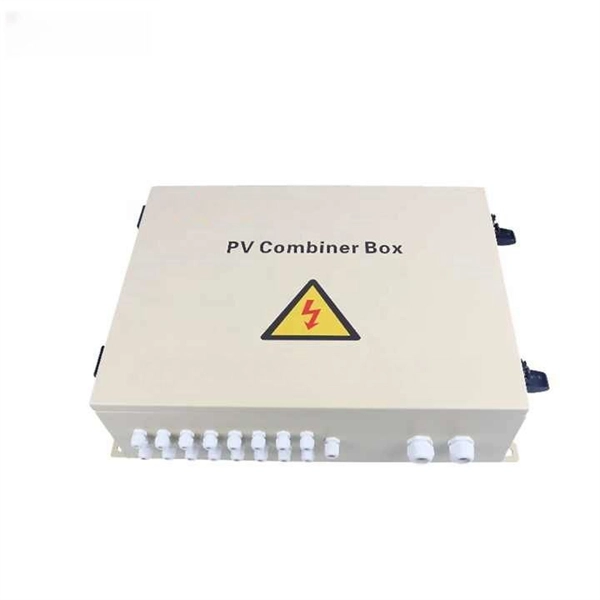
Server Rack Sizes: The Complete Guide to Standard, Below is a comprehensive, fully detailed guide covering all standard server rack sizes, form factors, he.
[PDF Version]The standard width for a server rack is 19 inches, the most common size for rack-mounted IT equipment. The depth of server racks can vary, typicall...
Server rack cabinets come in various sizes, but the standard width is usually 19 inches. The height is measured in rack units (U), typically 24U, 4...
A standard rack unit, abbreviated as "U," is 1.75 inches (44.45 mm) tall. This unit of measurement is used to describe the height of equipment inte...
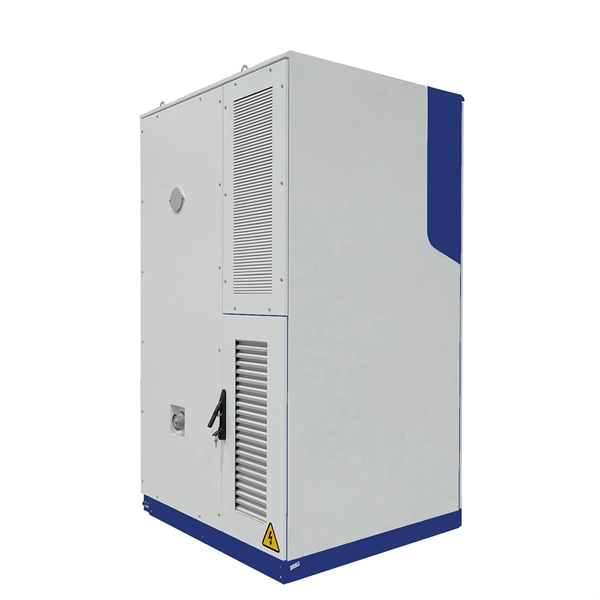
Network redundancy means having backup systems in place to ensure uninterrupted connectivity. A redundant internet connection is a backup in failure of primary internet connection. Here are just five examples of what effective network redundancy delivers for businesses. By...
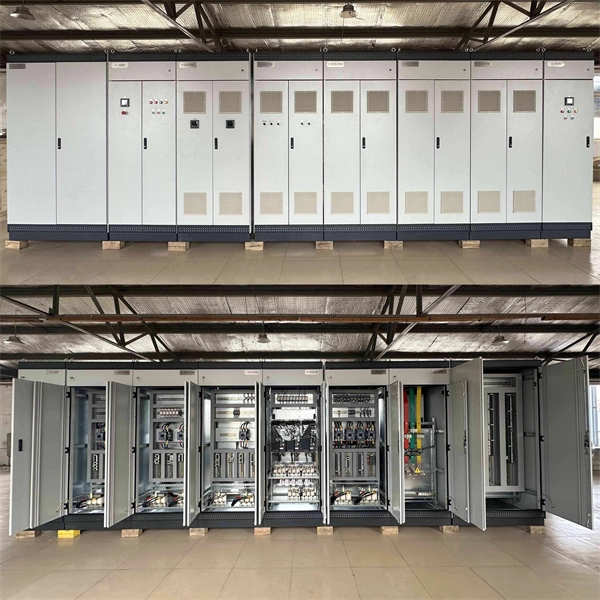
The “U” in 2U and 4U stands for rack units, a standard measurement for server height in data center racks. 75 inches high, making a 2U server 3. Important: U describes height only, but a server's real "capabilities" are also determined by chassis depth, internal layout...
[PDF Version]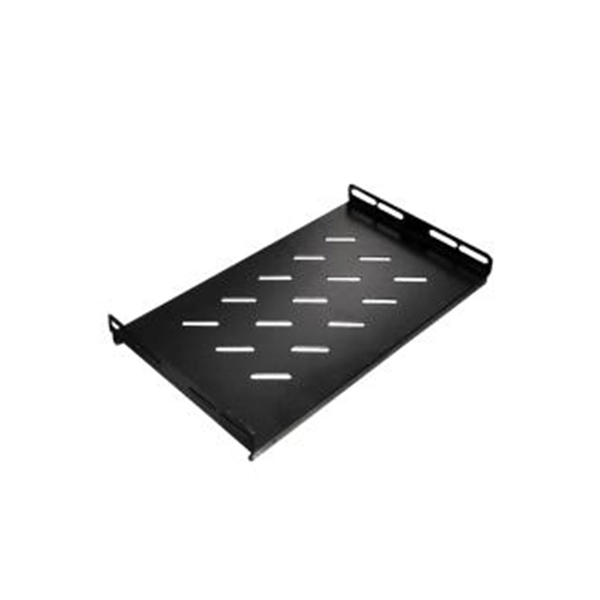
A 2U server is a rack-mounted server that takes up two rack units (U) in height (1U equals 1. These servers offer more computing power and expandability than 1U servers but don't take up as much space as 4U or larger configurations. 5 inches in height, particularly in a...
Block off the entrance: If the door is shattered, place caution signs or temporary barriers to prevent people from getting too close. Our extensive selection includes vented, solid, and perforated doors, as well as side, rear, and top panels, designed to provide security...
[PDF Version]Share the fiber interfaces, termination capacity, cable route and evidence required for handover.