
Fiber connection and distribution references
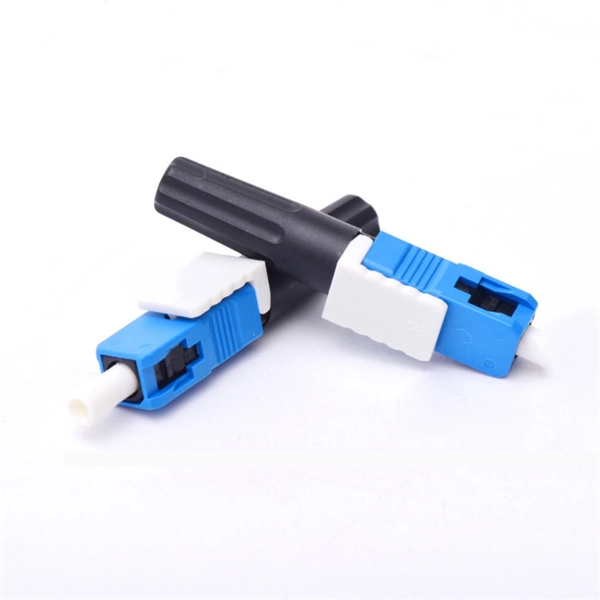
Fiber Optic Sensors: Types, Working Principle
This article explores the different types of Fiber Optic Sensors, their working principles, and various applications. We''ll delve into Intrinsic, Extrinsic, and
What is a Fiber Optic Sensor?
A fiber optic sensor operates with an optical fiber cable connected to a dedicated light source. These sensors offer great mounting flexibility and can be used is in a variety of environments.
Fiber Optic Sensors: Fundamentals, Principles & Applications
Fiber serves as a continuous sensing element. Sensing is based on. { 1 + ln( / ) z + ln( / ) } Equipped with safety features and remote fault monitoring.
Fiber Optic Sensors: Principles, Types, and Uses
Fiber optic current sensors work by detecting changes in light as it interacts with a magnetic field created by an electrical current. These sensors rely on the Faraday Effect, which
What Are Fiber Optic Sensors and How to Choose the Right One?
This article introduces optical fiber sensors, covering their definition, principle, types, applications, selection specs and future trends.
What is a fibre optic sensor?
Learn all about the principles, structures, and features of eight sensor types according to their detection principles. The fibre optic sensor has an optical fibre connected to a light source to allow for detection
Fiber Optic Sensors: Principles, Characteristics, and Applications
As a sensing technology based on the principles of optical fiber, fiber optic sensors have gradually become key equipment in many industries due to their advantages, such as high precision,
Technology of Fiber-Optic Sensors | wenglor
Fiber-optic sensors detect objects and conditions by directing light to a test object and evaluating the intensity change of the returning light. They can detect very small objects, are particularly flexible to
Fiber-optic Sensors – distributed sensing, temperature,
A fiber-optic sensor is a device that uses an optical fiber to measure quantities like temperature, strain, pressure, or chemical concentrations. It works by sending
Topic Editorial on Fiber-Optic Sensors
Fiber-optic sensors are highly significant in modern technology due to their unique abilities and versatility [1, 2, 3]. These sensors utilize the transmission of light through optical fibers to
Optical Fiber Sensors Guide
Optical fiber sensors offer attractive characteristics that make them very suitable and, in some cases, the only viable sensing solution. Some of the key attributes of fiber sensors are summarized below.
Conductive Fiber‐Based Flexible Sensing Devices: Material, Structure
Furthermore, the emerging applications of conductive fibers in flexible wearable electronics, medical fields, and multifunctional applications are explored. Finally, potential challenges
Fiber optic sensors and fiber optics | Baumer USA
Fiber optic sensors and fiber optics - limitless and customized The perfect solution with the fiber optics sensor toolbox Over 350 customized fiber optic solutions Smaller, more precise, faster Robust - High
Optical Fiber Sensors and Sensing Networks: Overview of the Main
Therefore, the integration of optical fiber sensors in WSNs introduces benefits and new capabilities for the design of advanced hybrid-sensing systems . This paper provides a review of optical fiber
Review of Optical Fiber and Integrated Photonic Sensors for
Smart manufacturing, Industry 4.0, and cyber-physical systems (CPSs) require sensing architectures capable of resolving both spatially distributed asset behavior and highly localized
Fiber Sensors
Optical fiber is comprised of a central core with a high refractive index surrounded by cladding with a low refractive index. When light enters the core, repetitive total internal reflection at the boundary of the
Fiber Optic Sensors | KEYENCE America
Fiber optic sensors are compact because the detection circuit is located in the amplifier, allowing for detection even in narrow spaces. Installation and
Optical Fiber Sensing Technology for Sports Monitoring: A
The advancement of sports science has heightened demands for precise monitoring of athletes'' technical movements, physiological status, and performance. Optical fiber sensing (OFS)
Related Video Reference
This video was associated with the source search result. Verify technical details against current product documentation and project requirements.