
Conductive Fiber Based Flexible Sensing Devices Material Structure
Search optical fiber, connectivity, cable management and network infrastructure references.
-
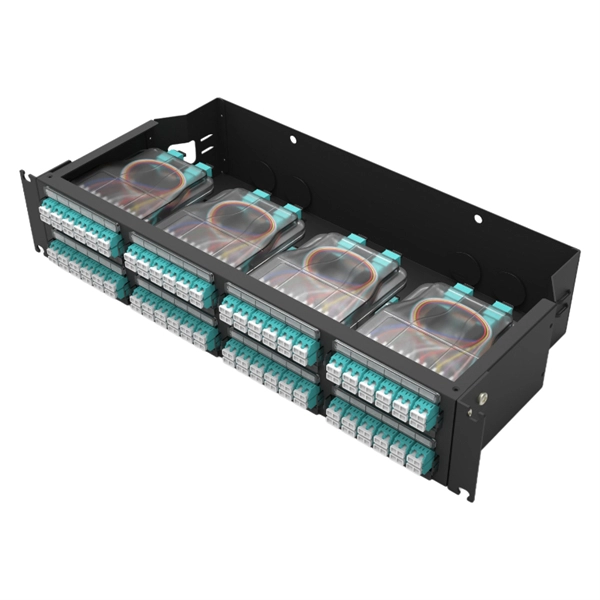
Fiber Optic Sensing Monitoring and Early Warning
Fiber-optics provide continuous, real-time data for early detection of ground movements, unlike traditional methods that struggle with spatial and temporal coverage. Fiber-optic sensors cover large areas and maintain a high frequency, allowing for a detailed assessment of...
-
The disadvantages of fiber optic strain sensing are
Despite their advantages, fiber optic strain sensors also have certain limitations: Thermal Sensitivity: Temperature changes can affect the readings, requiring compensation techniques. Demodulation Difficulty: Demodulating the wavelength shift can be complex. Discrimination...
[PDF Version]
-
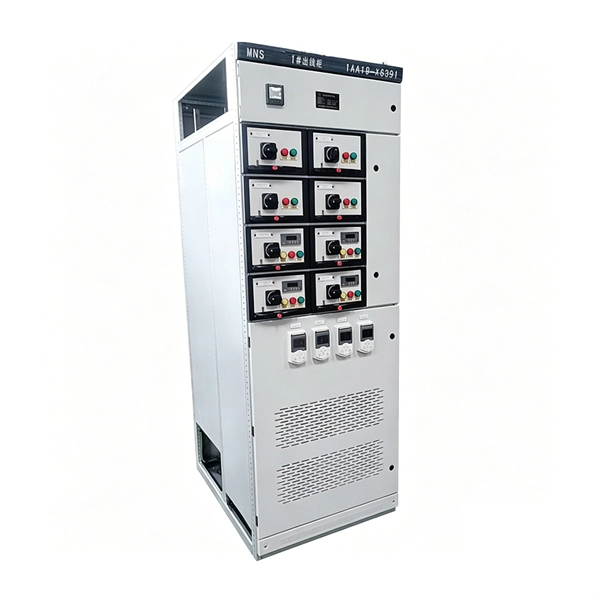
Is the flexible optical fiber a pigtail How do I connect it
A pigtail is a short fiber with a factory-polished connector on one end and bare fiber on the other. Once you nail the logic chain— raw fiber → protected cable → spliced pigtail interfaces → flexible patching —you control loss budgets, installation time, and maintenance risk...
-
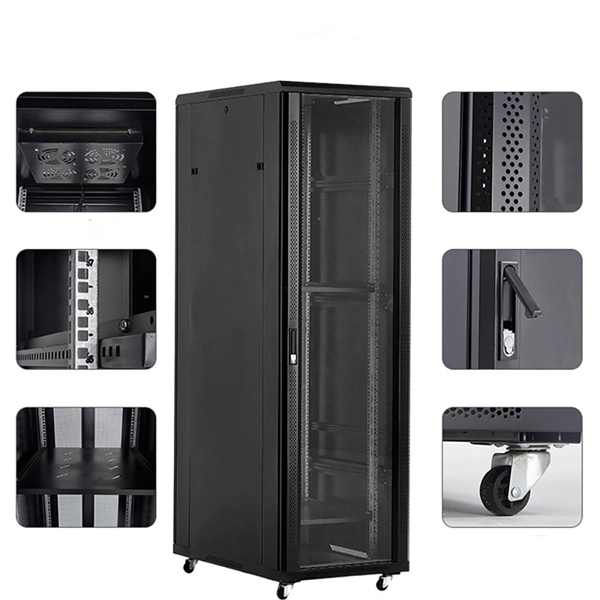
Huawei Distributed Fiber Optic Acoustic Sensing
Huawei OptiXsense EF3000-A50 is a distributed optical fiber sensing system that can quickly identify and accurately locate pipeline threats, and report alarms in real time using optical fibers deployed alongside pipelines. This technology, combined with big data/GIS mapping...
[PDF Version]
-
Beam splitter for fiber optic sensing experiment
A beam splitter or beamsplitter is an optical device that splits a beam of light into a transmitted and a reflected beam. It is a crucial part of many optical experimental and measurement systems, such as interferometers, also finding widespread application in fibre optic...
[PDF Version]