
Wavelength Calibration Light Source Operating Instructions
Search optical fiber, connectivity, cable management and network infrastructure references.
-
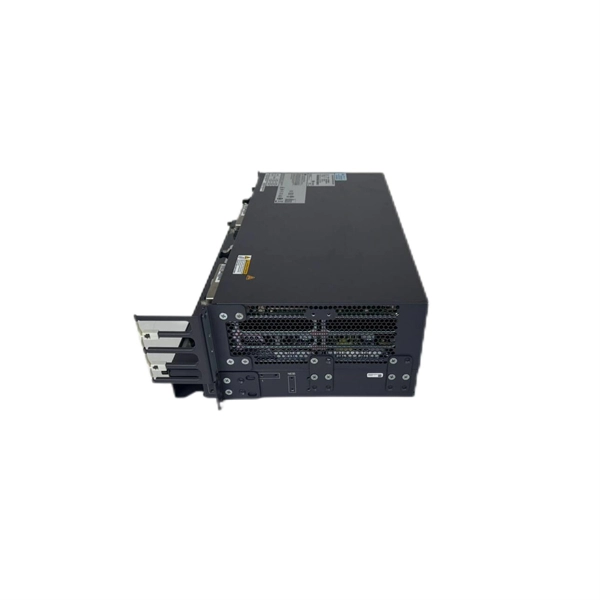
Fiber Optic Handheld Light Source Calibration in the Maldives
Absolute optical power calibration of optical power meters, radiometers and photodiodes: From 350 to 1650 nm in 5 nm steps, power range +10 to -60 dBm / 10 mW to 1 nW, with least uncertainty of 0.06 dB.
-
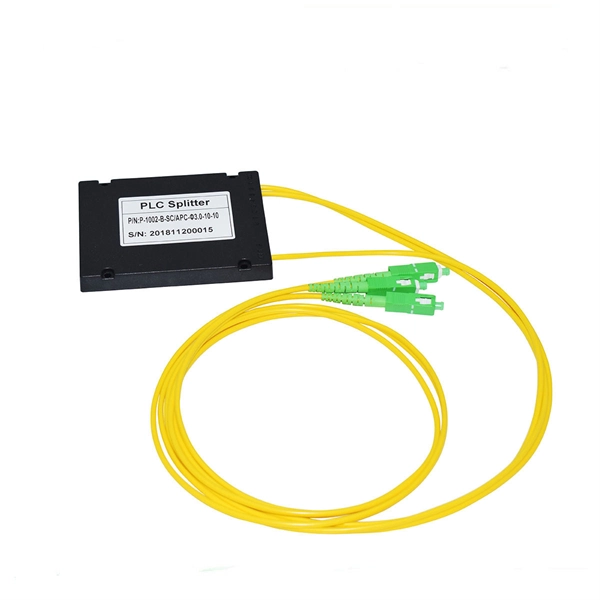
Red Light Source Calibration and Installation
Zhicheng Lin1, Qi Ma2, Yang Zhang21 School of Humanities and Social Science, The Chinese University of Hong Kong, Shenzhen, China 518172.
-
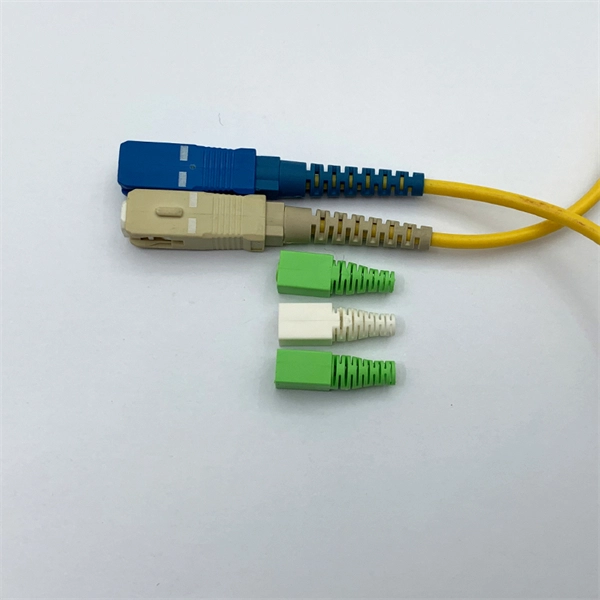
High Temperature Resistance of Red Light Source for Smart Cities
This study proposes the design and development of public light systems integrated with Internet of Things (IoT) applications for smart cities. Smart public lighting systems are designed using LED light so.
-
Fiber optic red light pen test light source
The Visual Fault Locator (VFL) Pen has a visible red light source centered on 650nm. The RPEN-210 is a necessity tool that should not be missing from any fiber plant manager or fiber optic installing technician. VFLs typically use a 650nm wavelength red laser that is...
-
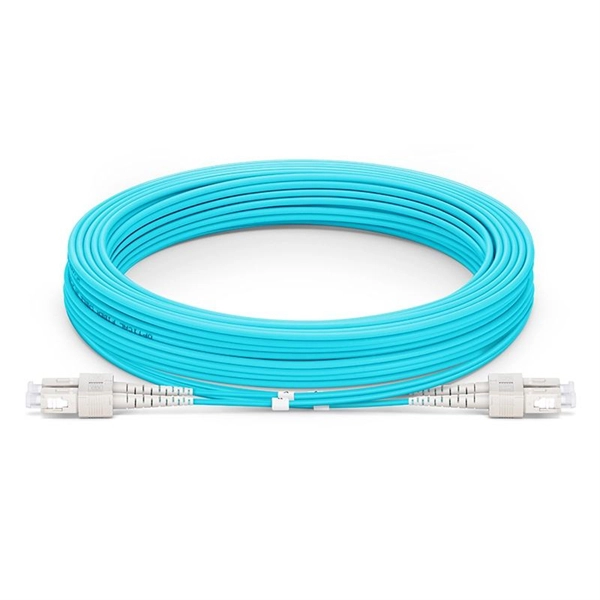
Bangladesh fiber optic handheld light source dynamic range 35dB
FOLS-103 handheld adjustable light source is newly designed fiber optic tester, which aims at fiber network installation, fiber network engineering acceptance and fiber network maintenance. Fiber Optic Pro PRO-5SM-35-VFP Details Fiber Optic Pro PRO-5SM-35-VFP OTDR New PRO...
-
Red Laser Diode Light Source Model
Red laser diodes, based on, e., GaInP or AlGaInP quantum wells, are available with different output power levels, ranging from a few milliwatts (single emitters, VCSELs) to the order of 100 W from diode bars. Typical wavelengths are 635, 650 and 670 nm. The shorter...
[PDF Version]
-
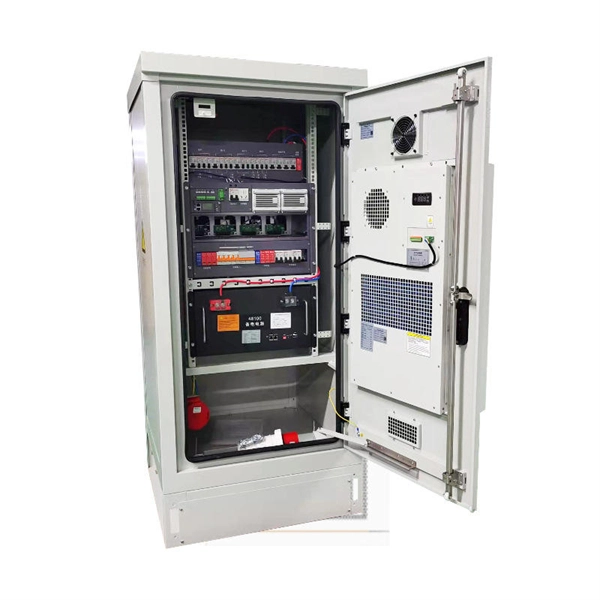
Currently the wavelength of light used in fiber optic communication
Optical fiber primarily uses infrared light, not visible light, due to lower signal attenuation. Common wavelengths are 1310nm and 1550nm, where silica glass fiber has minimal loss (as low as 0. This article delves into why 850, 1310, and 1550 nm are standard, what less-known...
[PDF Version]
-
Coarse wavelength division multiplexer receives and transmits light
CWDM uses a multiplexer to divide the light wavelengths into different channels, each carrying a separate data stream. The channels are combined and transmitted over a single fibre optic cable. At the receiving end, a demultiplexer separates the wavelengths into the original...