
Wall Mount Network Cabinets
Search optical fiber, connectivity, cable management and network infrastructure references.
-
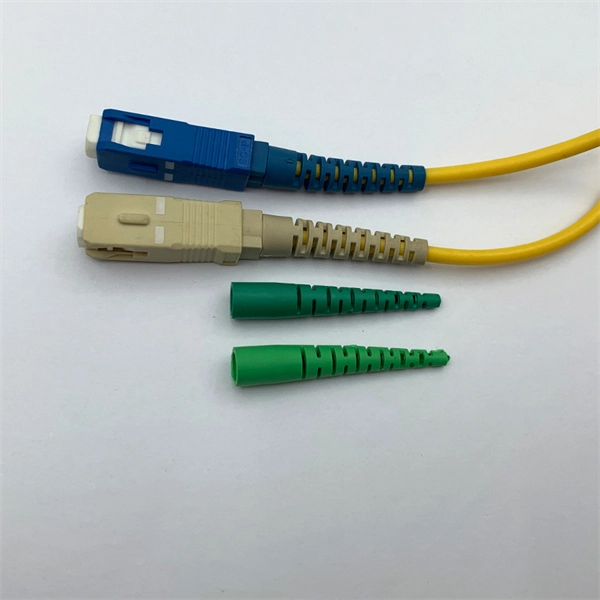
Standard dimensions and specifications of network cabling cabinets
Standard width is 19 inches (EIA-310 compliant), while outer widths vary (e. 5″) to allow space for cable management and airflow. Options include 24″, 36″, 42″, 48″, and 59″. Three key specifications — ANSI/EIA RS-310-D, IEC 60297-2, and DIN 41494 — have defined the...
[PDF Version]
-
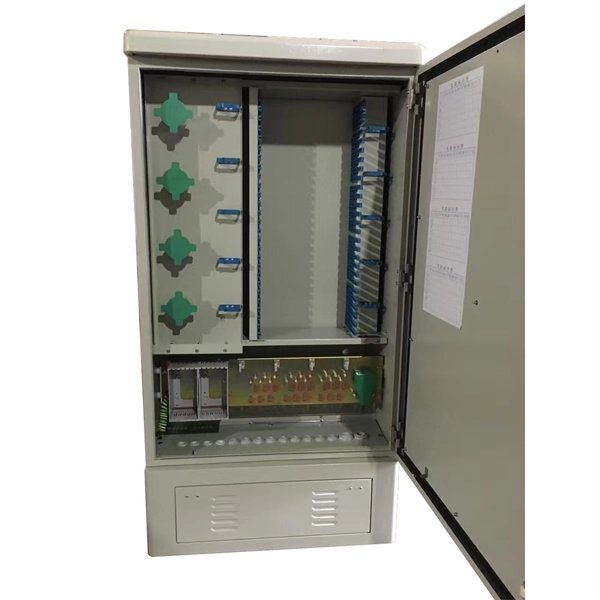
PVC edge strips for network cabinets
PVC (Polyvinyl Chloride) edge banding is a popular choice for finishing and protecting the exposed edges of various materials, such as plywood, MDF, and particleboard, in woodworking and cabinetry projects. PVC edge banding is known for its durability and resistance to. We...
[PDF Version]
-
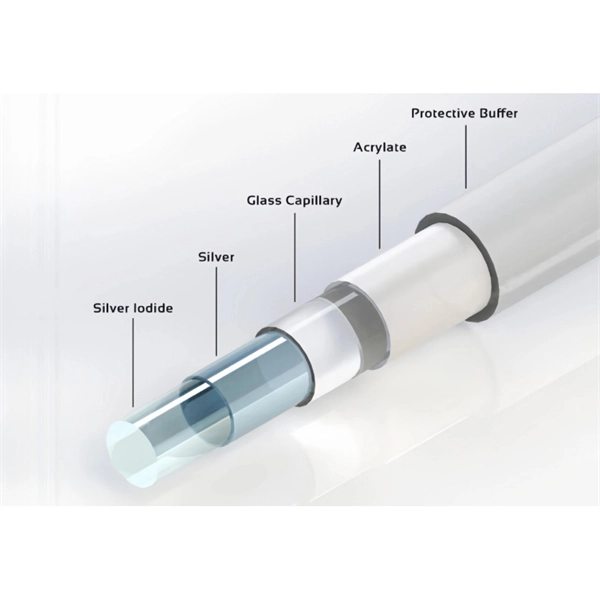
How to mount cable management racks and network cables in a server rack
In this article, we will discuss several tips and strategies for improving cable management for server racks. This will ensure safety and functionality of the equipment with proper cable arrangement; airflow sufficiency, maintenance ease, and performance improvement are all...
[PDF Version]
-
Methods for Quickly Locating Cables in Network Cabinets
This guide is a practical overview of how to trace Ethernet cables in walls and ceilings, especially when documentation is missing. We focus on simple, repeatable methods you can use with a basic network cable tracing tool, not just high-end testers. This practice involves...
-
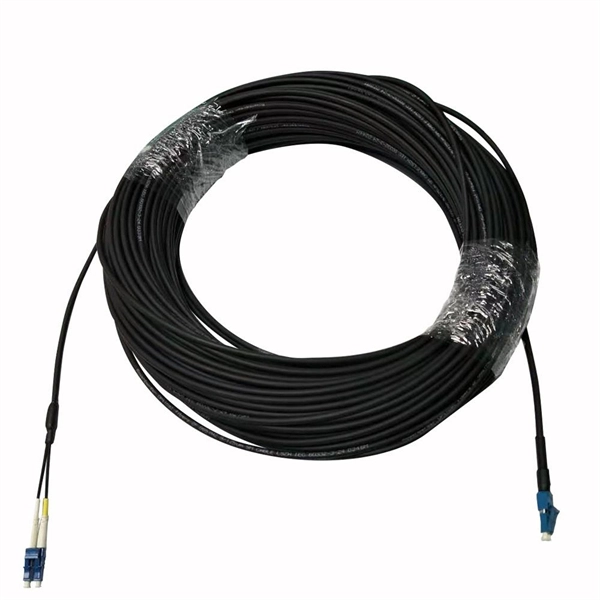
Modular server room cabinets include network cabinets
Server cabinets are ideally suited for installing (blade) servers, switches, patch panels, routers, and storage equipment. Nexpand is a premium configure-to-order server cabinet platform. A network cabinet will offer the same storage capability but be suitable for higher...
[PDF Version]
-
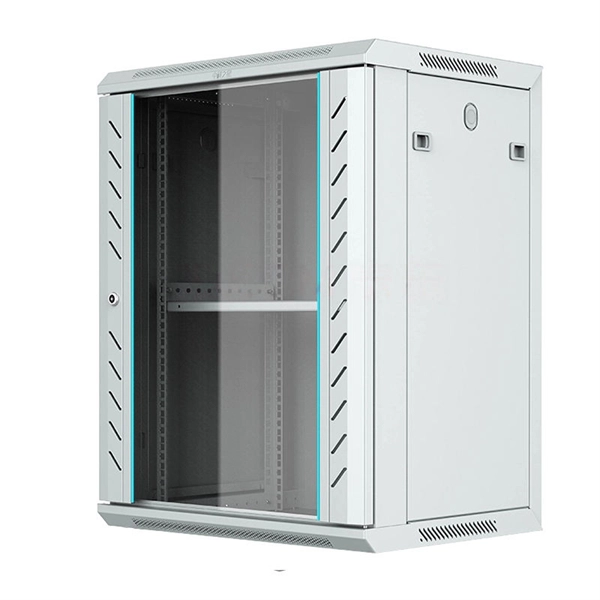
Automatic heat dissipation for network cabinets
PCMs work with natural cold sources to boost cooling efficiency in telecom cabinets. You can temporarily store low-temperature energy, which helps maintain safe operating conditions. Heat Calculations for Automation Control Cabinets You will perform five steps: The heat load...
[PDF Version]
-
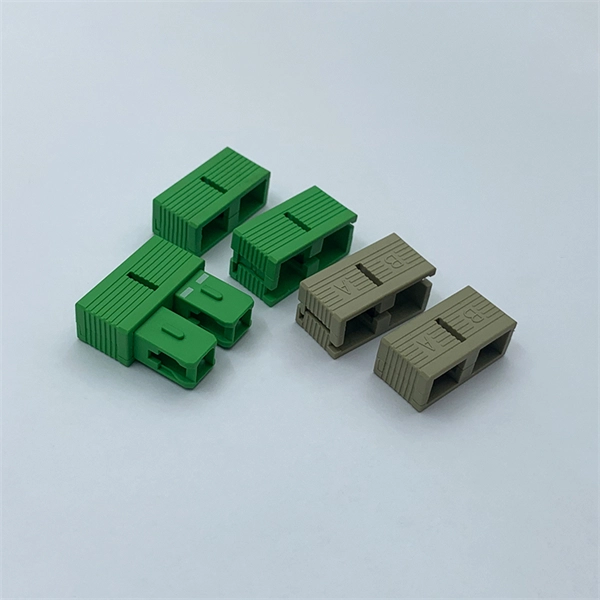
Corrosion Resistance of Sheet Metal Network Cabinets
Corrosion rates are phenomenal. Bare steel degrades visibly within weeks. Coating systems often exceed 350–450 µm DFT, combining zinc-rich epoxy primers, multiple high-build intermediates, and specialized polysiloxane or aliphatic polyurethane topcoats. Electrostatic spraying...
[PDF Version]
-
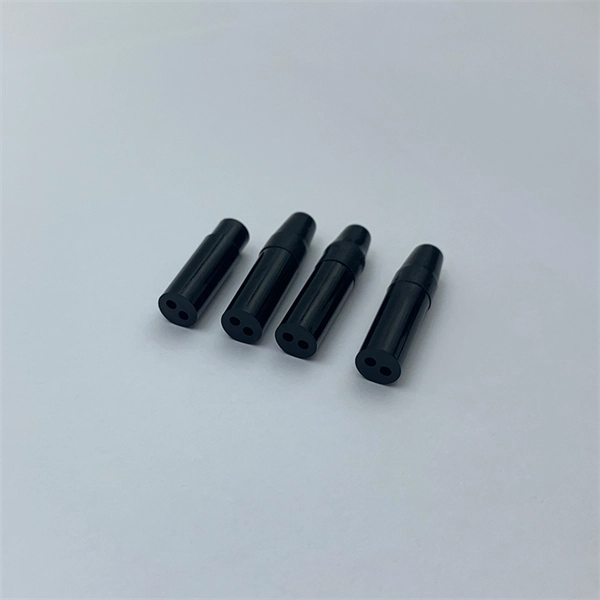
Forward cabling in network cabinets
Forward cable management involves organizing the cables before termination in the patch panel. In this guide, we'll walk you through everything you need to know. From understanding what these cabinets do to. Network cabinet cabling describes the structured connection and...
[PDF Version]
Explore the next connection
- Do cables need cable tray protection
- Single-mode optical transceivers for multimode optical cables
- Integrated Power Supply Product Positioning
- Eyes on the Distribution Box
- Introduction to the Functions of the Stepper Dimming Module
- Direct Sales of 400G Coherent Optical Modules
- How to connect jumper wires for cable trays
- Principle of 10 kV Optical Fiber Communication Cable
- Is a 1U fiber optic patch panel a 12-port cable