
What is the width and depth of a server rack?
The standard width for a server rack is 19 inches, the most common size for rack-mounted IT equipment. The depth of server racks can vary, typicall...
Search optical fiber, connectivity, cable management and network infrastructure references.
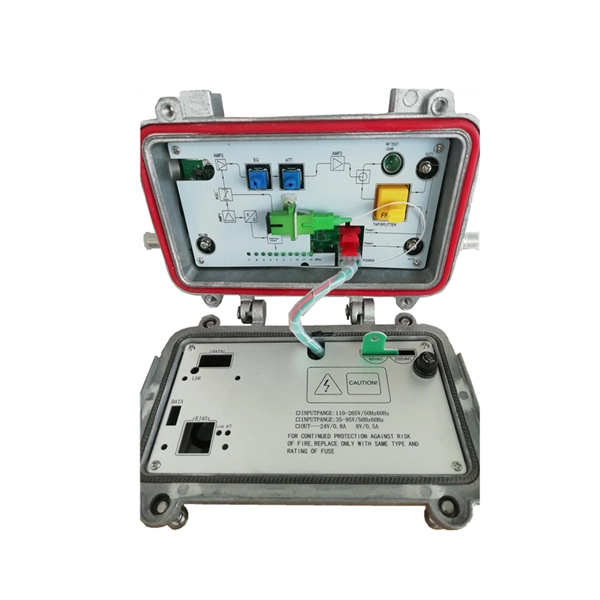
“Increased energy efficiency and bandwidth are critically needed for optical transceivers to meet the requirements of datacenter interconnects. This work describes how the co-design of the CMOS driver.
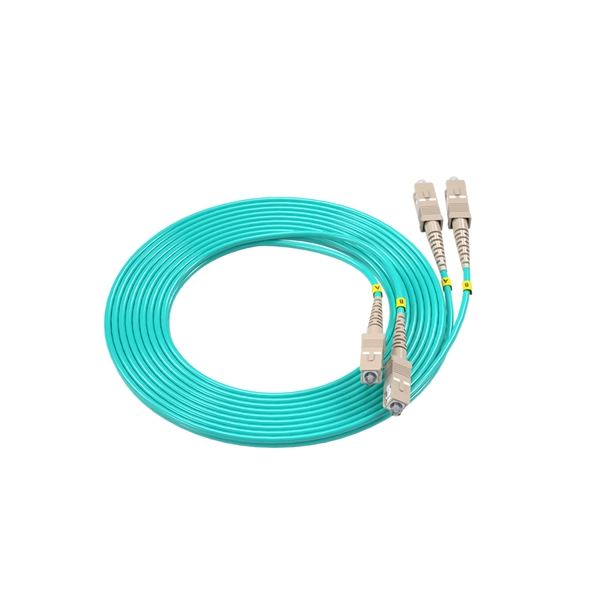
Patch Panel Guide: Fixed vs Keystone vs Punch-Down This guide is written for system integrators, network engineers, and project owners who need a patch pan.
[PDF Version]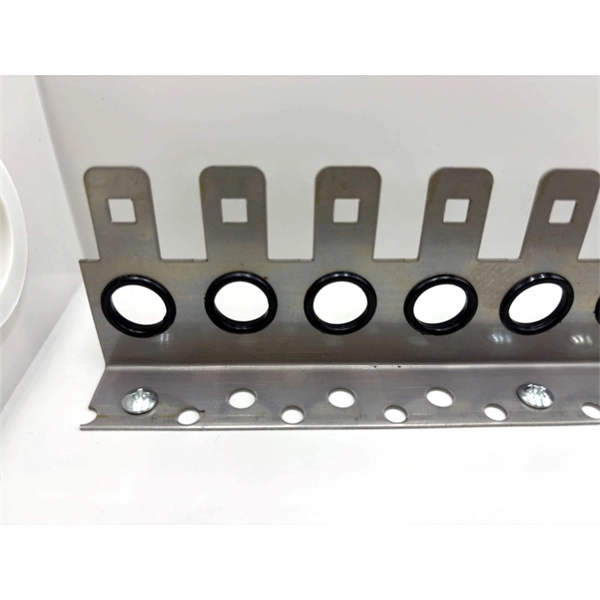
This guide breaks down the key differences between open frames and enclosed cabinets, evaluates rail configurations and weight ratings, and explains exactly how to match a frame to your equipment. Read on to find the best server cabinet for your infrastructure needs. Whether...
[PDF Version]
Server Rack Sizes: The Complete Guide to Standard, Below is a comprehensive, fully detailed guide covering all standard server rack sizes, form factors, he.
[PDF Version]The standard width for a server rack is 19 inches, the most common size for rack-mounted IT equipment. The depth of server racks can vary, typicall...
Server rack cabinets come in various sizes, but the standard width is usually 19 inches. The height is measured in rack units (U), typically 24U, 4...
A standard rack unit, abbreviated as "U," is 1.75 inches (44.45 mm) tall. This unit of measurement is used to describe the height of equipment inte...
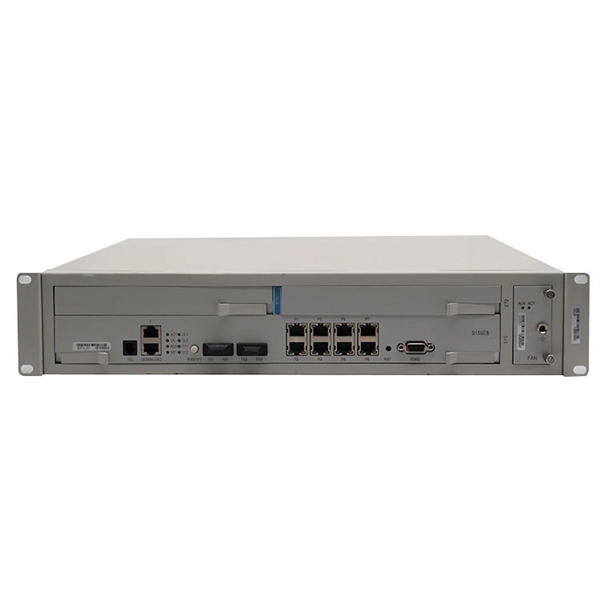
A cable management rack is designed to route, protect, and organize copper and fiber cables inside network cabinets. Beyond keeping cables tidy, a well-structured cable manager reduces cable stress, improves heat dissipation, and ensures bend-radius compliance for data. Poor...
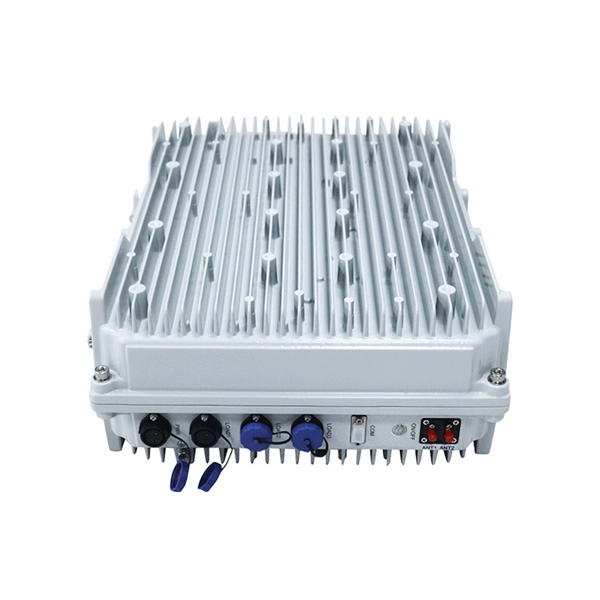
The SmartRack® SRW6U 6U network rack is designed to house EIA-standard 19-inch rack equipment in home and office network wiring closets, retail locations, classrooms, back offices and other are.
Share the fiber interfaces, termination capacity, cable route and evidence required for handover.