
Understanding Optical Loss In Fiber Networks
Search optical fiber, connectivity, cable management and network infrastructure references.
-
High-temperature resistant imported optical fiber in corrugated ducts for operator backbone networks
Explore how to select the right fiber optic cable for challenging environments including high temperatures, extreme cold, salt spray, humidity, underground ducts, and direct burial. Learn about ADSS, OPGW, GYTA53, LSZH, and more—compliant with IEC, IEEE, UL, and. CeramOptec...
[PDF Version]
-
Optical Receivers and Fiber Optic Access Networks
Modern fiber-optic communication systems generally include optical transmitters that convert electrical signals into optical signals, to carry the signal, optical amplifiers, and optical receivers to convert the signal back into an electrical signal. The information...
-
How to troubleshoot high splice loss in optical fiber cables
Factors affecting fiber splice loss and how to reduce itUse lint-free wipes and cleaning fluids that are approved. This stops dirt from causing high splice.
[PDF Version]
-
Standard for Fiber Optic Splice Loss in Local Area Networks
Quick answer: Industry acceptance threshold for a single fusion splice is 0. 1 dB should be re-done before sealing. In fiber-optic networks, there are three main causes of signal attenuation. While intrinsic fiber losses cannot be influenced and unacceptable. To make the...
[PDF Version]
-
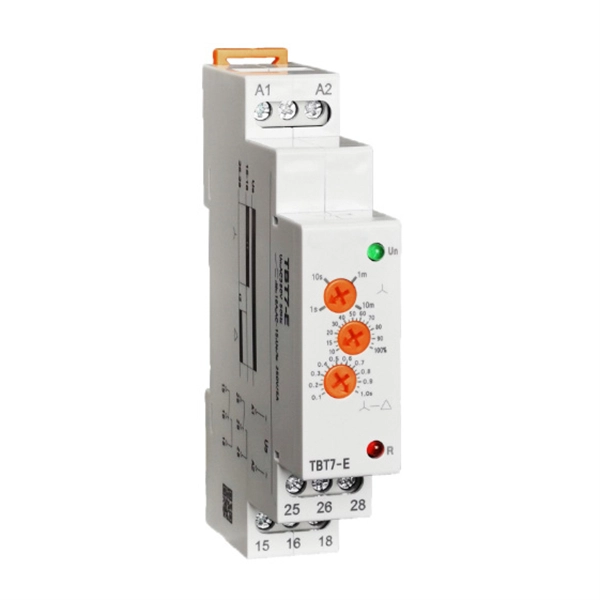
Fiber distribution box for fixing optical cables
The fiber distribution box, also known as the optical fiber termination box, is a critical component in fiber optic networks. It acts as a central point for terminating, splicing, and distributing these cables, providing necessary protection and. Fiber distribution box is...
[PDF Version]
-
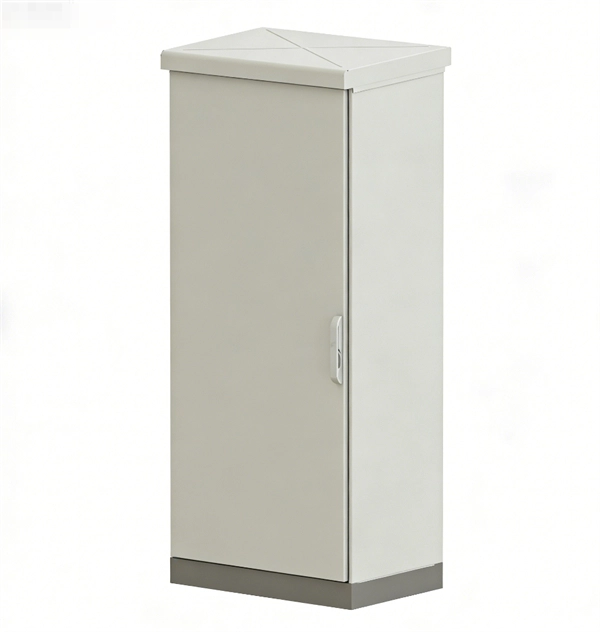
Optical fiber cables have high reflectivity
Fiber optic cables use total internal reflection to keep light signals bouncing within the core, allowing data to travel quickly and with minimal loss. Reflectance (which has also been called "back reflection" or optical return loss) of a connection is the amount of light...
-
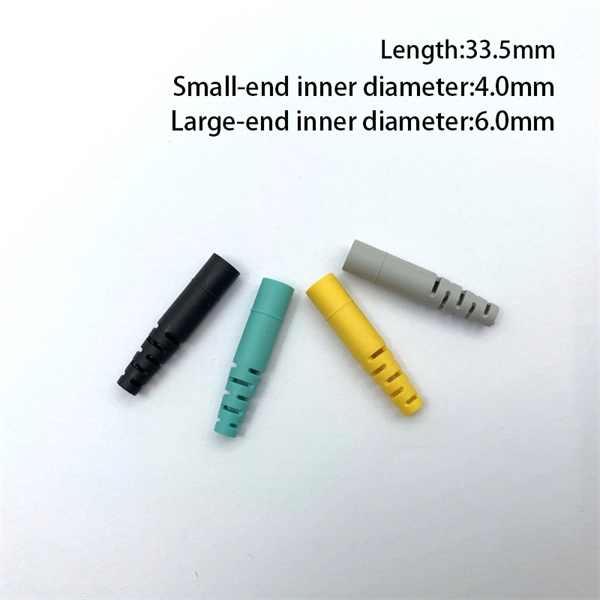
Do both ends of the optical fiber in a splitter need to be used
These passive devices split an input optical signal into two or more output paths, allowing the signal to be transmitted to different terminals. They have been used since the 1980s to create networks and provide the technology for today's passive optical networks used in...
[PDF Version]