
Understanding Fiber Optic Splitters Principles
Search optical fiber, connectivity, cable management and network infrastructure references.
-
Principles of Fiber Optic Transmission in Telecommunications
Fiber optic cables transmit data by converting electrical signals into optical signals, using a process called signal modulation. Modulation techniques, such as amplitude modulation (AM),frequency modulation (FM), or phase modulation (PM), are applied to encode data onto the...
[PDF Version]
-
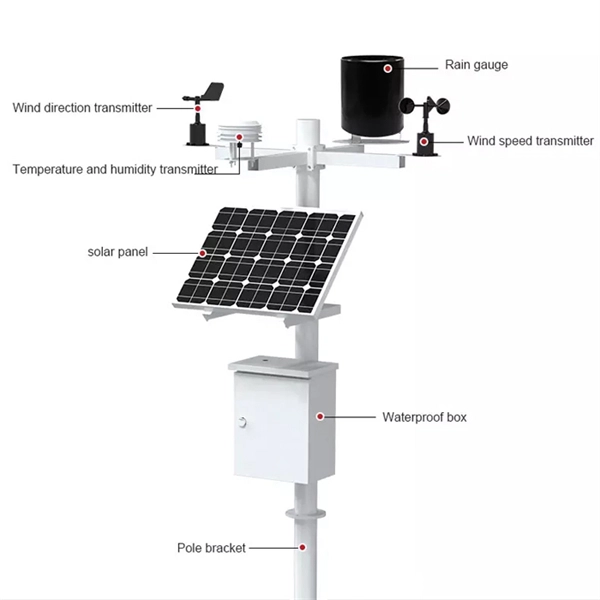
The role of trunk fiber optic splitters
These splitters play a vital role in efficiently distributing optical signals across the network while effectively managing signal loss. By splitting the optical signals, FBT splitters ensure that data can be transmitted to multiple locations without compromising the quality...
-
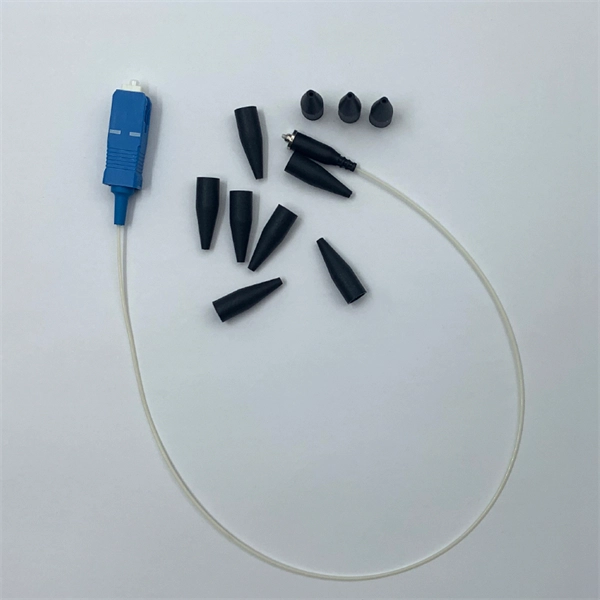
The function of the three optical splitters in the fiber optic box
By dividing a single optical signal from a central Optical Line Terminal (OLT) into multiple outputs for Optical Network Terminals (ONTs) at users' homes, splitters eliminate the need for dedicated fibers to each residence—slashing infrastructure costs while scaling network...
[PDF Version]
-
The function of fiber optic cable splitters
An optical splitter, also called a fiber optic coupler, splits an optical signal into multiple parts. It's a simple but effective way to distribute one input signal to various outputs without losing signal quality. Unlike active devices (which require power), splitters...
-
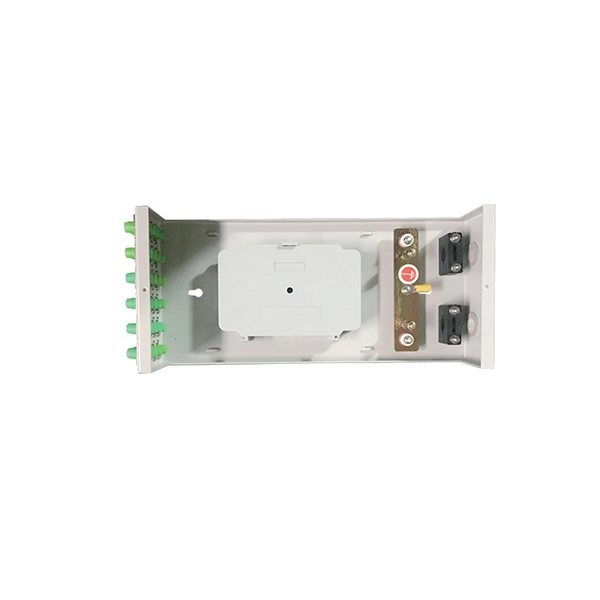
Introduction to the Basic Principles of Fiber Optic Circulators
An optical circulator is a three- or four-port designed such that entering any port exits from the next. This means that if light enters port 1 it is emitted from port 2, but if some of the emitted light is reflected back to the circulator, it does not come out of port 1 but...
Explore the next connection
- Reserved length for wires entering the distribution box
- Main busbar and branch busbar of switchgear
- How to Choose Fiber Optic Modules and Patch Cords
- Industrial Variable Frequency Power Distribution Box
- What do the two LEDs on the optical port of the switch represent
- Where is the pigtail cable installed
- CE Certified Polarization-Maintaining Fiber Optic G 654 E
- How can fiber optic cables replace network cables
- Voltage Testing of Distribution Box Cables