
Understanding Beamsplitters Types Principles And
Search optical fiber, connectivity, cable management and network infrastructure references.
-

What types of 8-core optical fiber splicing are included
There are 2 methods of splicing, mechanical or fusion. Imm (main cord) Material Stainless Steel Color Silvery White UL94 V-0 (*Burning stops within 10 seconds on a veritcal specimen, no drips of flaming particles. ) *Exact product code is subject to the cable length...
[PDF Version]
-
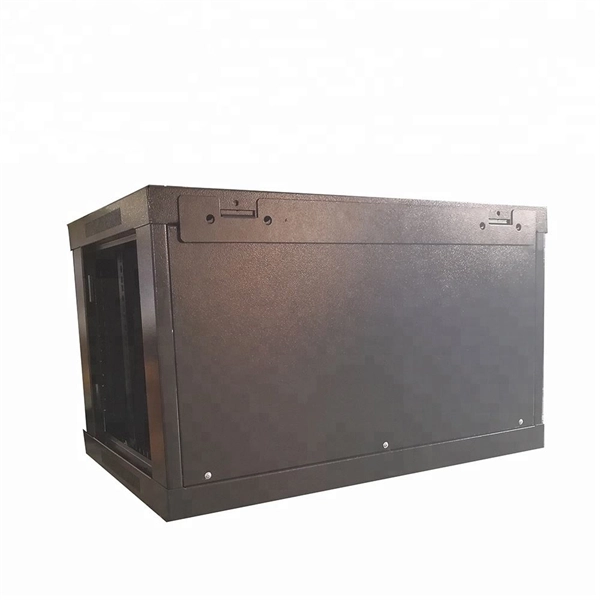
What are some types of bend-resistant fiber optic sensors
Lineup includes side‑view and bendable sleeve types. The fluorocarbon resin coating allows these fibres to be used in almost any environment, including oil or chemical‑splash conditions. Resistant to 30 million bends!The following is a classification example of KEYENCE's...
-

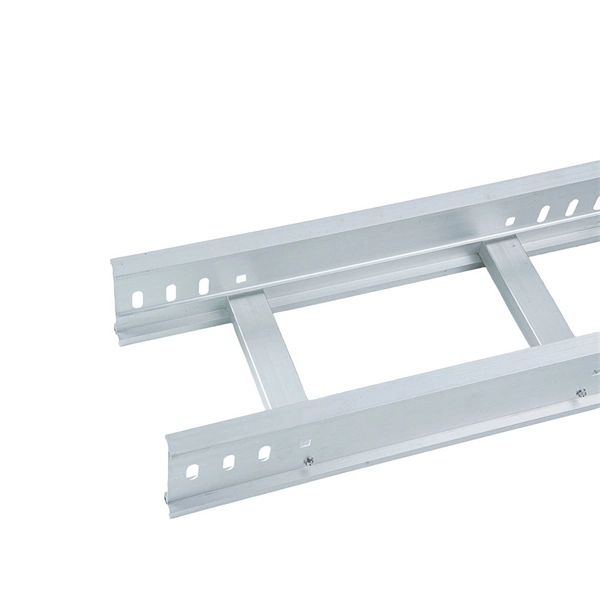
Types of straight-through cable trays
Explore all types of cable trays—ladder, perforated, basket, solid, and channel. Each cable tray type performs a different function and comes in various materials such as aluminum. Cable tray systems are engineered support structures designed to route, support, and protect...
[PDF Version]
-
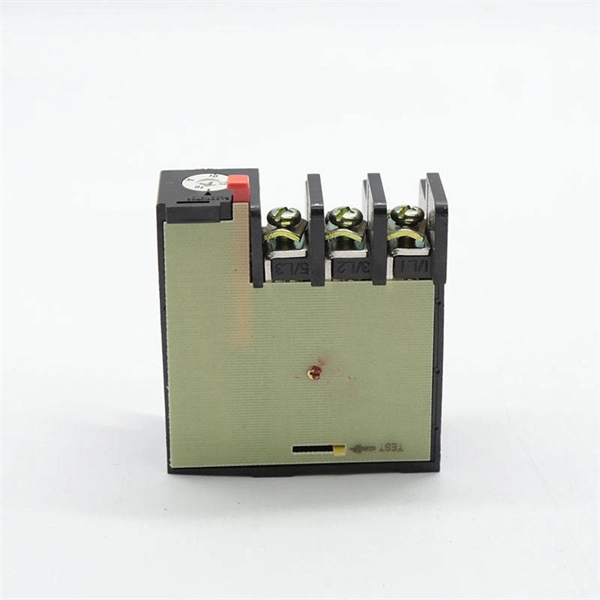
Types of Fiber Optic Collimator Lenses
These lenses include fiber lenses, ball lenses, aspherical lenses, spherical singlets and doublets, GRIN (GRaded INdex) lenses, microscope objectives, cylindrical lenses, no lens at all as in the case of thermally expanded core (TEC) fiber. Lens materials can. Fiber optic...
[PDF Version]
-
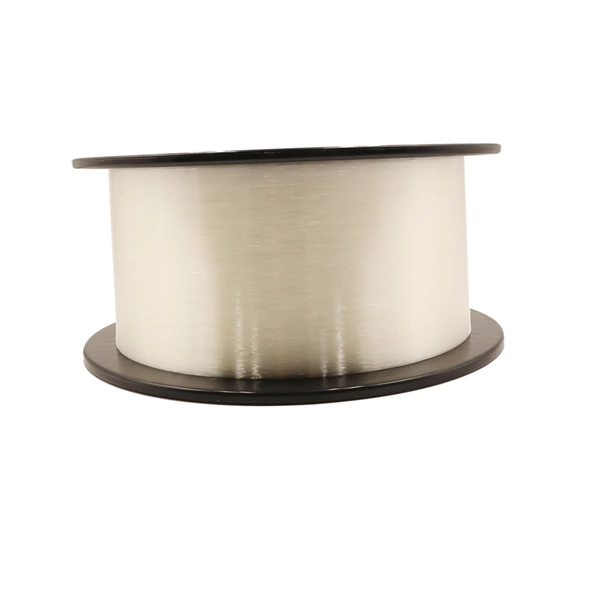
144 Types of Optical Cables
Here's everything you need to know about the various fiber optic cable types, what makes them so useful, and what type of fiber optic cables you want to buy for your next networking project.
-
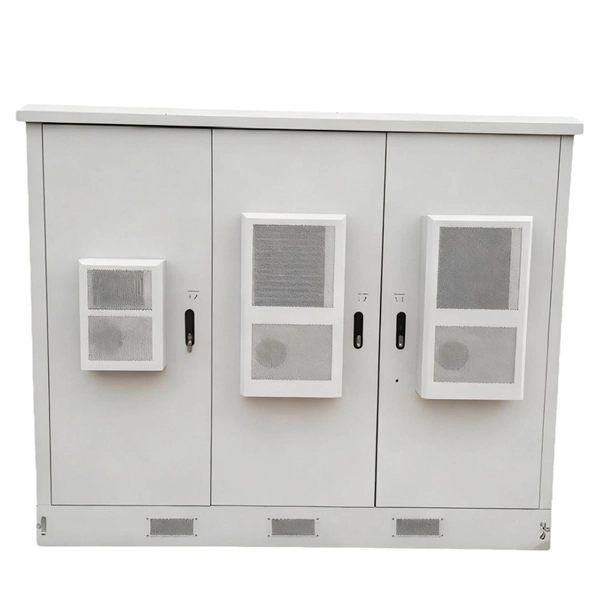
Types of Communication Engineering Towers
There are four main types of telecommunication towers: lattice towers, monopole towers, guyed towers, and stealth towers. This specialized field combines civil, structural, and electrical engineering to create the tall structures that support antennas for mobile networks. At...
-
Fiber Switch Fault Types
Despite their robustness, fiber networks can fail due to: Physical Damage : Cuts, bends, or contamination in fiber cables or connectors. Hardware Failures : Faulty transceivers, switches, or routers. Configuration Errors : IP conflicts, incorrect routing, or. This document...
[PDF Version]
Explore the next connection
- Fabrication of Elbow Cable Tray Cover Plates
- How to remedy excessive fiber optic cable attenuation
- How to check fiber optic cable splicing
- What are the features of Huijue imported distribution boxes
- Core Switch Rack Installation
- Are the two fiber optic port panels identical
- Are all SFP optical modules universal