
Underground Cable Fiber Optics Technology Below Ground
Search optical fiber, connectivity, cable management and network infrastructure references.
-
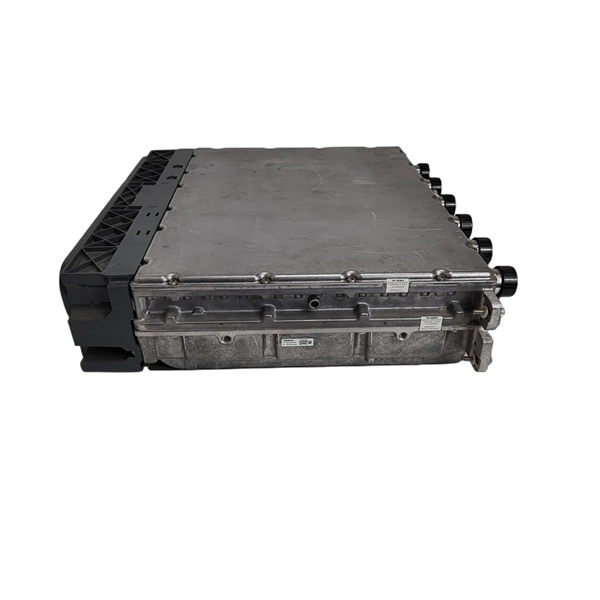
There are fiber optic cable markers underground
The underground tape is buried six to ten inches below grade level electrical and fiber optic cables, as well as above gas and water pipelines. It provides a visual signal that continued digging will damage the lines. When excited by any standard marker locator, the marker...
[PDF Version]
-
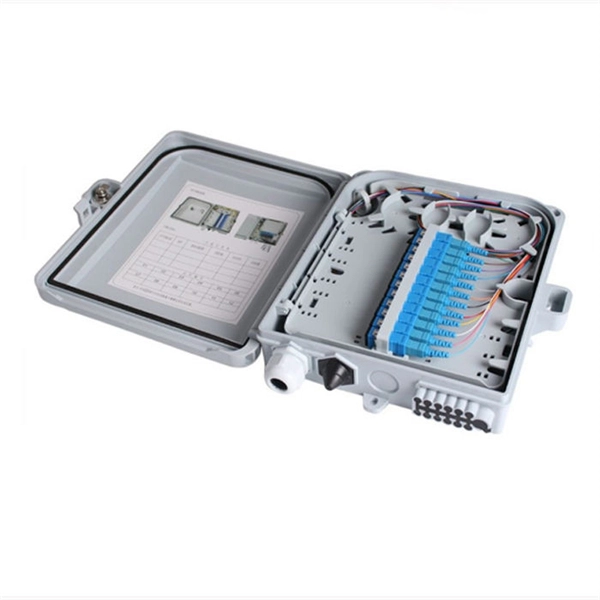
Underground optical fiber cable for power transmission
OPGW (Optical Ground Wire) is a kind of cable that comprises the dual functions of grounding and fiber optic communication. It is increasingly utilized in high-voltage transmission lines as a functional element that both safeguards the power system and allows data sharing...
[PDF Version]
-
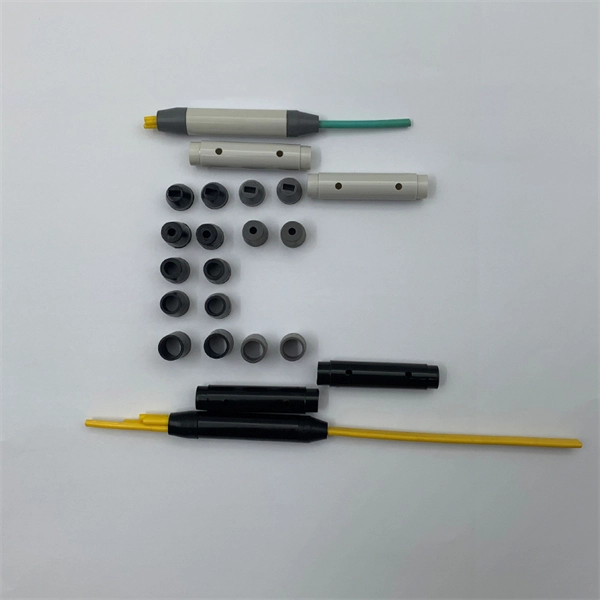
Price of underground optical fiber guide cable
Armored fiber optic cables designed for direct burial cost $6-14 per linear foot. Conduit systems add $2-4 per foot but allow future cable additions. HDPE conduits last longer than PVC but cost slightly more. Comprehensive guide to underground fiber optic cable types...
[PDF Version]
-
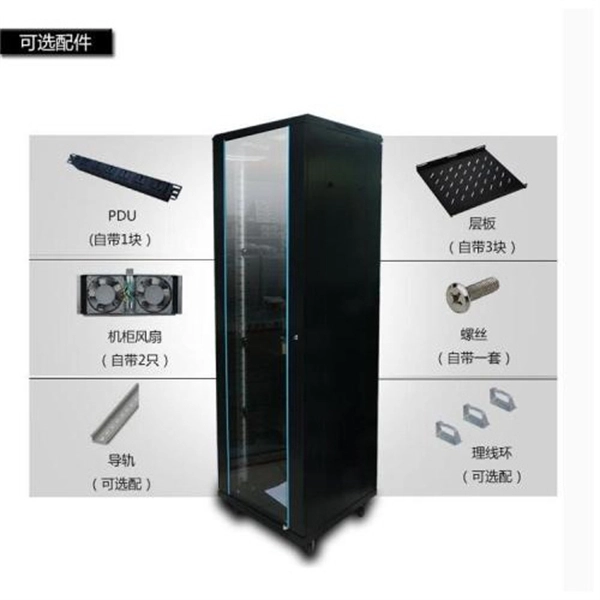
What is fiber optic cable fusion splicing technology
Fusion splicing The goal is to fuse the two fibers together in such a way that light passing through the fibers is not scattered or reflected back by the s.
[PDF Version]
-
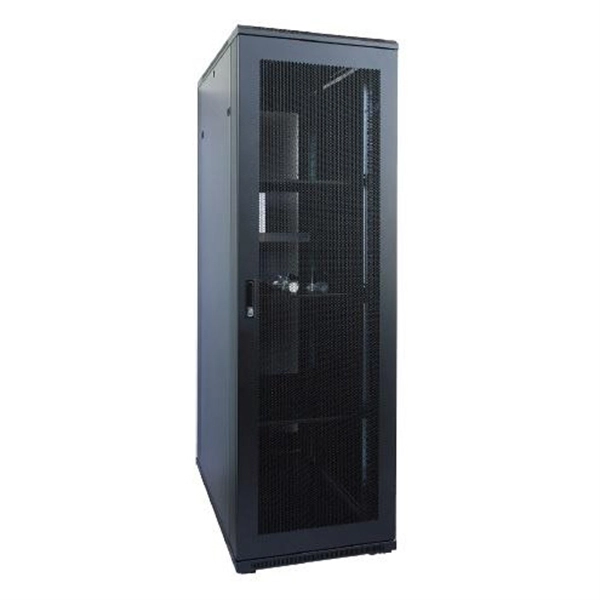
Laos s underground secret communication fiber optic cable
Laos Begins Transition to Underground Power, Communication CablesLaos has launched a new infrastructure project aimed at relocating internet, communication.
[PDF Version]
-
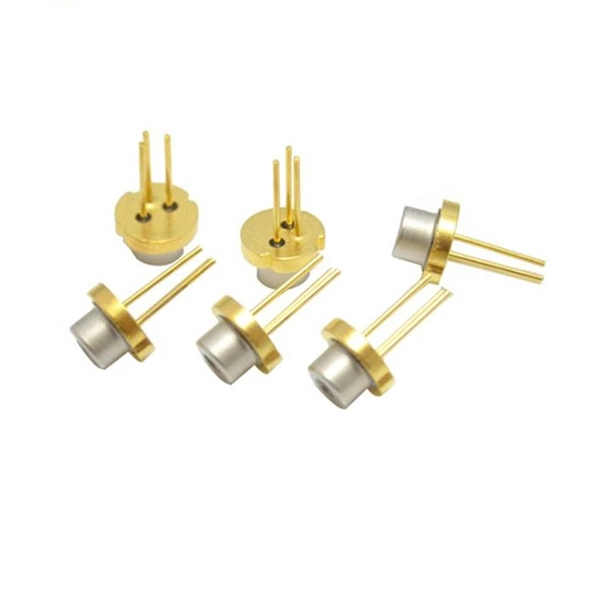
Bahrain Fiber Optic Temperature Measurement Cable Technology
400 kV Power Cable Circuit Monitoring AP Sensing was recently selected to monitor a 400 kV power cable loop for EWA from Hidd to Riffa Grid Stations, locat.
[PDF Version]
-
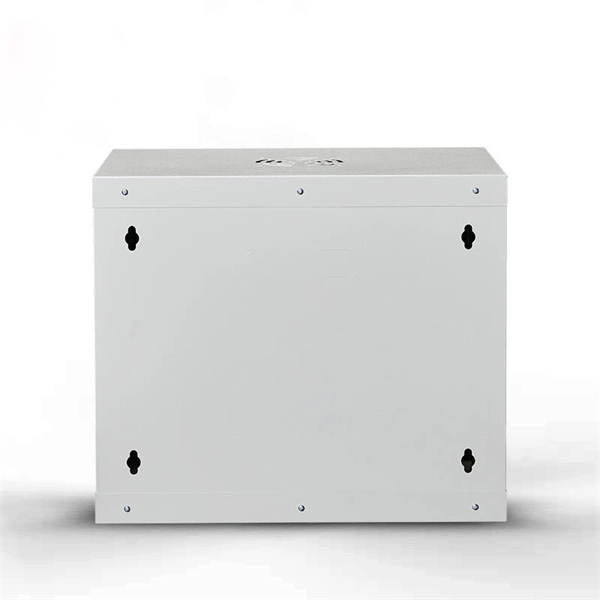
Fire-supporting fiber optic cable underground
The direct-buried fiber optic cables allow underground laying without usage of additional pipes. The cables stand up with added mechanical protection, moisture resistance, and environmental and biological hazards to rodents, termites, and fire. 2 meters (3-4 feet) deep to...
[PDF Version]