
How can one identify a broken fiber optic cable?
To identify a broken fiber optic cable, start by performing a visual inspection for any physical signs of damage, such as bends, cracks, or breaks...
Search optical fiber, connectivity, cable management and network infrastructure references.
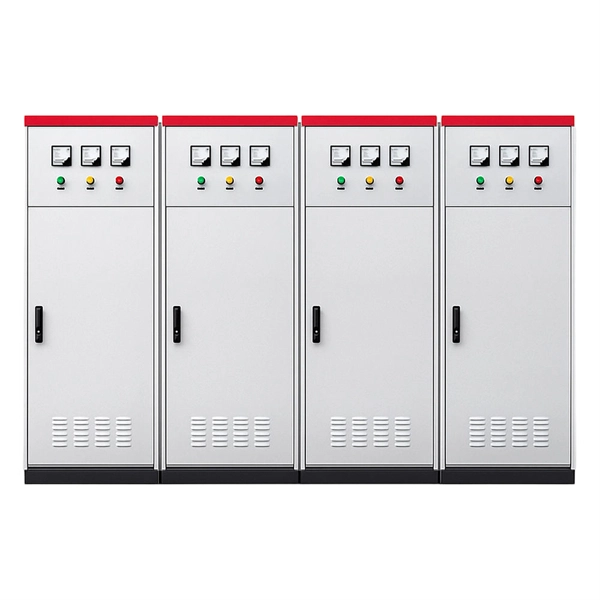
Basic: 800 ft of single-mode fiber routing through a paved residential area, minor restoration, no conduit beyond surface mount, standard connectors. Buying fiber optic installation services involves several cost components, with total price influenced by length, location...
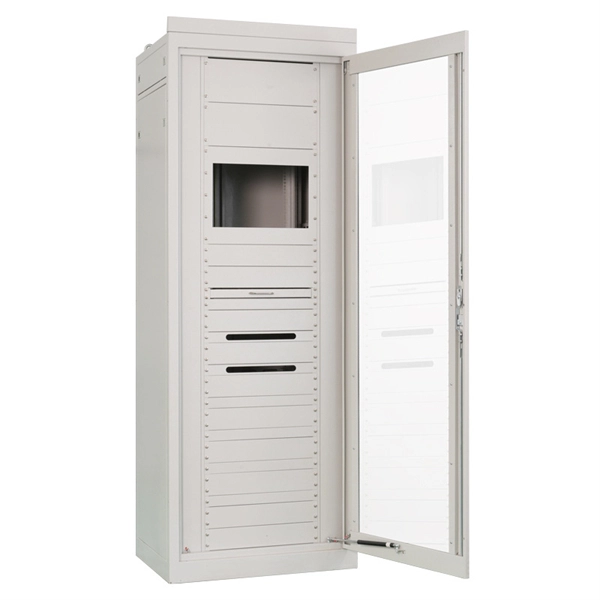
Fiber Optic Troubleshooting Guide: Problems, Tools & SolutionsThis guide offers practical steps to troubleshoot fiber optic cable issues, covering common p.
[PDF Version]To identify a broken fiber optic cable, start by performing a visual inspection for any physical signs of damage, such as bends, cracks, or breaks...
There are several methods to test fiber optic cables without a tester. One method is using a visual fault locator (VFL), as mentioned earlier, to v...
Intermittent fiber optic connections can be caused by a variety of factors, including: Poorly terminated connectors or splices that result in unsta...
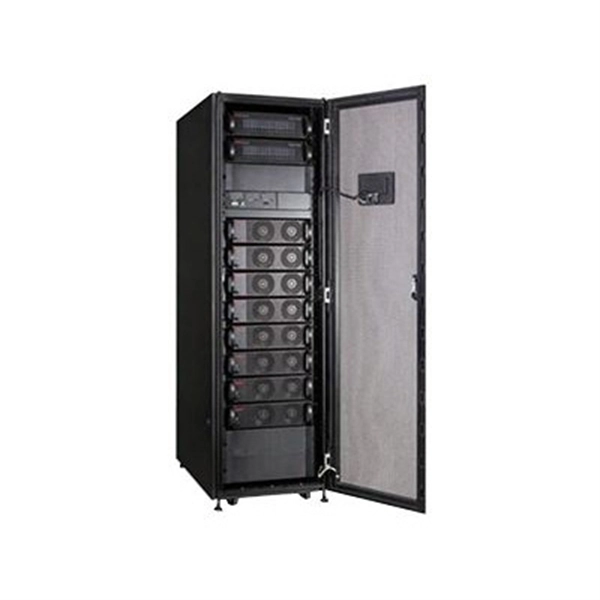
According to the nature of the optical fiber, it can be divided into multi-mode optical fiber transceivers and single-mode optical fiber transceivers. The general transmission distance of. Single fiber modules—often called bidirectional (BIDI) transceivers—transmit and...
[PDF Version]
Effective troubleshooting keeps your fiber optic network running smoothly. You need a systematic approach to identify and fix attenuation issues. Check and clean connectors often. The most common problems usually fall into four categories: Physical Layer: Transmission...
Fiber Network Troubleshooting – Common Issues & FixesLearn how to troubleshoot fiber networks. Identify common issues like high loss, dirty connectors, and.
[PDF Version]To identify a broken fiber optic cable, start by performing a visual inspection for any physical signs of damage, such as bends, cracks, or breaks...
There are several methods to test fiber optic cables without a tester. One method is using a visual fault locator (VFL), as mentioned earlier, to v...
Intermittent fiber optic connections can be caused by a variety of factors, including: Poorly terminated connectors or splices that result in unsta...
Single-mode (SMF) and multi-mode fiber (MMF) use different core sizes, sources and wavelengths. These differences determine which transceivers work with which fiber and how far signals can travel. Understanding the compatibility constraints prevents costly downtime and. In...
Share the fiber interfaces, termination capacity, cable route and evidence required for handover.