
How can one identify a broken fiber optic cable?
To identify a broken fiber optic cable, start by performing a visual inspection for any physical signs of damage, such as bends, cracks, or breaks...
Search optical fiber, connectivity, cable management and network infrastructure references.
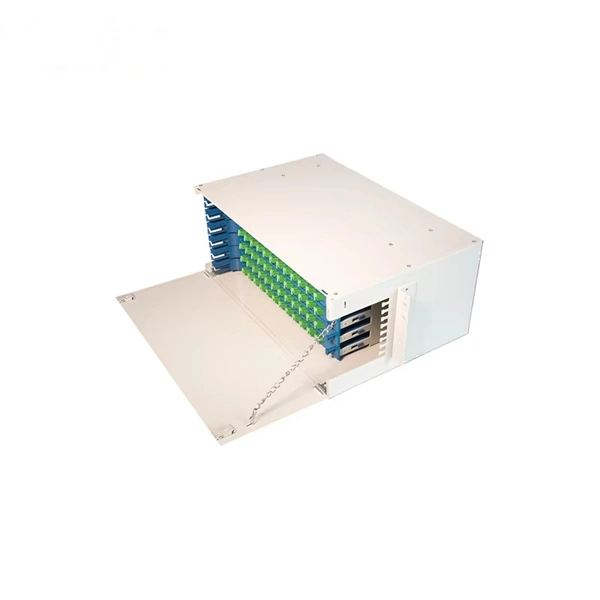
What Damages Fiber-Optic Cables? Key Risks and Mitigation StrategiesThis guide explores the most common causes of fiber-optic cable damage, explains the te.
[PDF Version]To identify a broken fiber optic cable, start by performing a visual inspection for any physical signs of damage, such as bends, cracks, or breaks...
There are several methods to test fiber optic cables without a tester. One method is using a visual fault locator (VFL), as mentioned earlier, to v...
Intermittent fiber optic connections can be caused by a variety of factors, including: Poorly terminated connectors or splices that result in unsta...
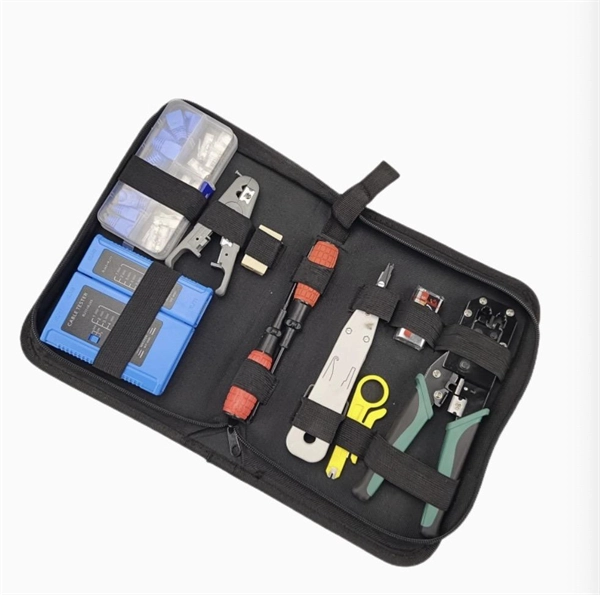
What Damages Fiber-Optic Cables? Key Risks and Mitigation StrategiesThis guide explores the most common causes of fiber-optic cable damage, explains the te.
[PDF Version]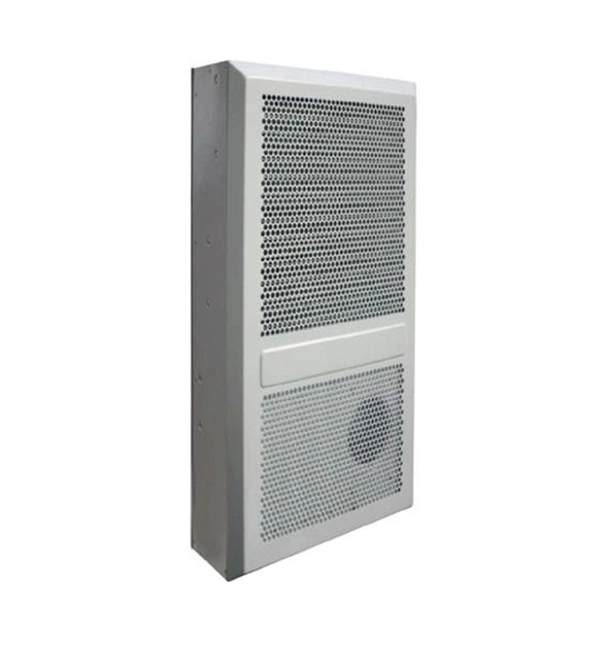
Common Splitter Failures: Optical and Structural CausesEngineering analysis of common fiber splitter failures, explaining optical imbalance, packaging stre.
[PDF Version]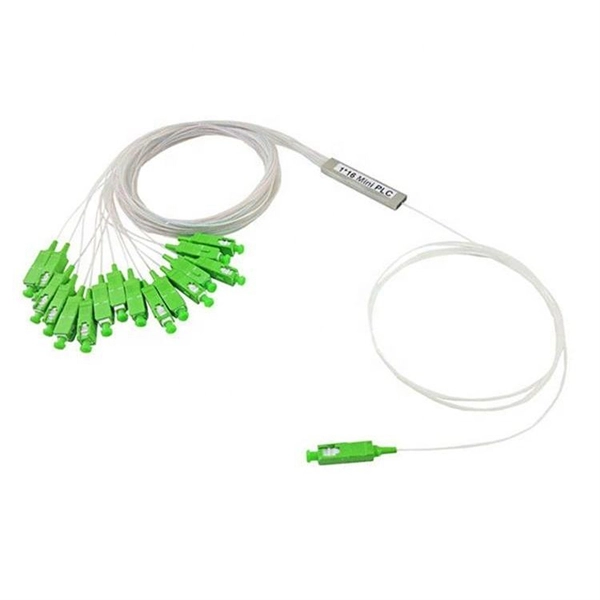
There are connectors designed for single mode and multimode fiber optic cables, which differ in core size, bandwidth, and optimal use cases as explained in this comprehensive guide to fiber optic cable.
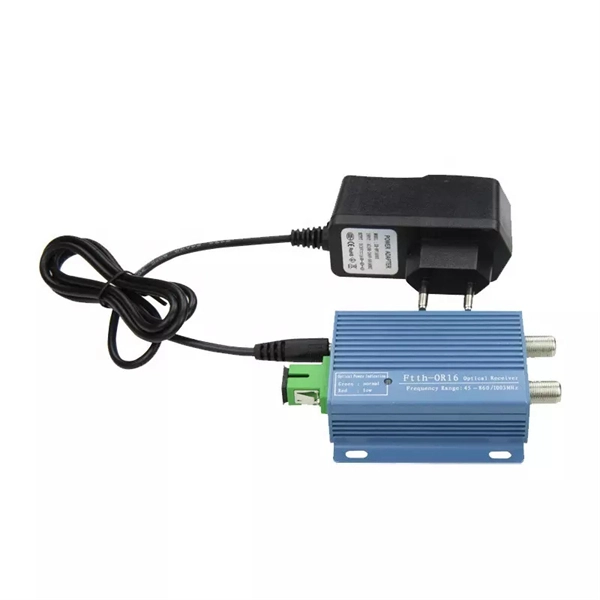
ADSS (All-Dielectric Self-Supporting) fiber cable is a robust, non-metallic optical cable designed for aerial installations without the need for a separate messenger wire. It consists of single-mode or multi-mode fibers housed in loose tubes made of high-modulus plastic...
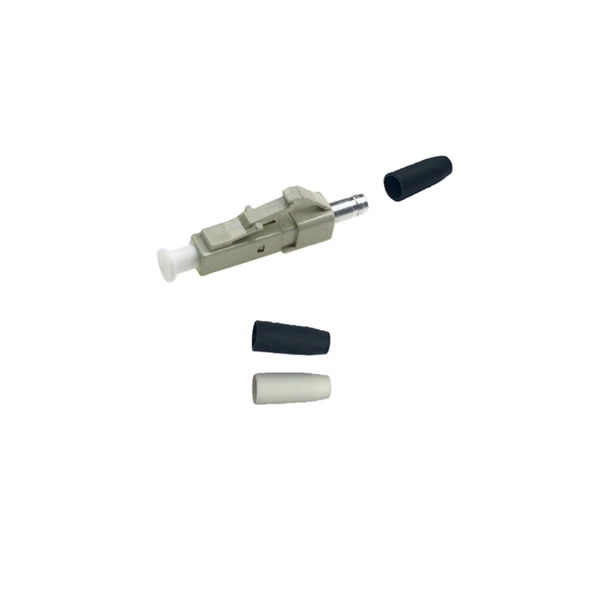
We investigate and compare various fabrication methods such as single pass (line by line), double pass, and stacking (plane by plane) to create the highest reflectivity FBGs (99. 98%) for mid-infrared (mid-IR) applications. A fiber Bragg grating (FBG) is a type of distributed...
[PDF Version]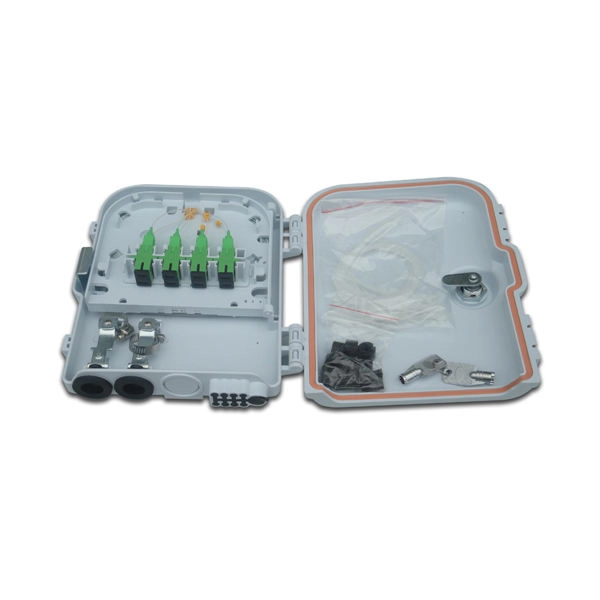
Wired IP installations commonly cost $125–$450-450 per camera installed, or $500–$1,600-1,600 for a 4-camera system. A 4-camera home system and a 32-camera warehouse system are fundamentally different projects with different budgets, different hardware requirements, and...
[PDF Version]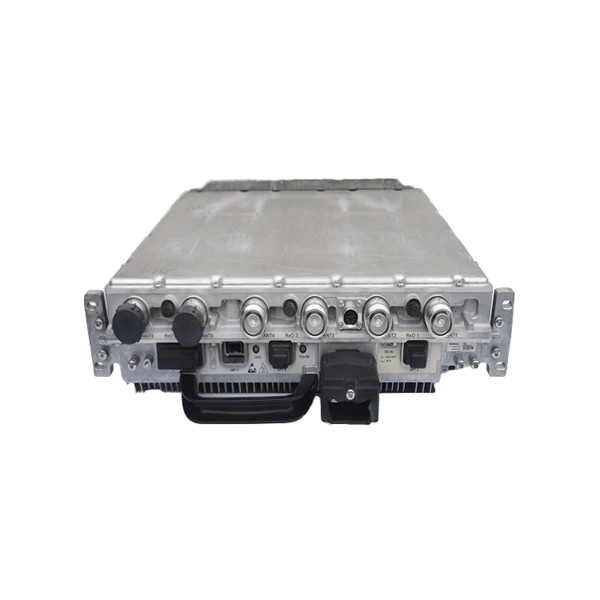
Learn the step-by-step network patch panel and keystone jack wiring methods, including essential tools, T568A/B wiring sequences, and tool-free installation tips. This guide outlines the key steps and considerations for effective cable management in fiber optic systems...
Share the fiber interfaces, termination capacity, cable route and evidence required for handover.