
Tools And Materials Checklist Fiber Optic Technician Equipment
Search optical fiber, connectivity, cable management and network infrastructure references.
-
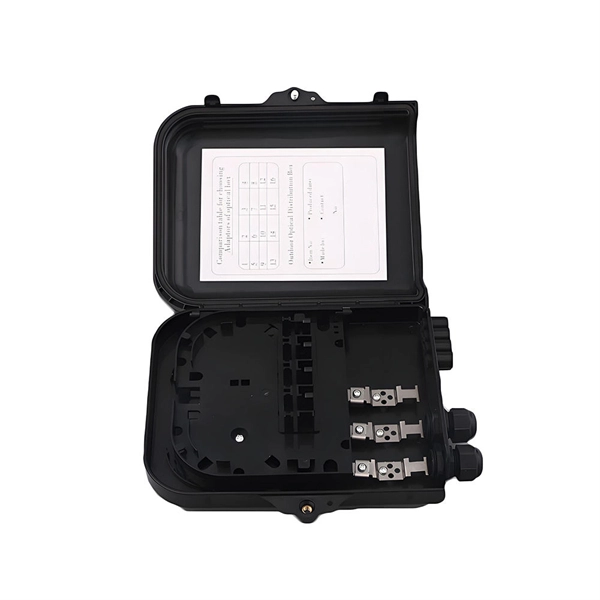
What materials and tools are needed for fiber optic cable repair
Get your fiber optic cable repair tools together. You'll need strippers, cleavers, splice trays, a splicing machine, and cleaning materials like alcohol wipes. It makes cutting and splicing easier. Without slack, you risk snapping. Before diving into repairs, it's essential...
-

Materials Glass Fiber Optic Cable
Fiber optic cables are made primarily of ultra-pure glass, specifically silicon dioxide (silica), the same compound found in quartz and ordinary sand. The glass itself is just. Fiber optic cables transmit information across vast distances by guiding light pulses through a...
[PDF Version]
-
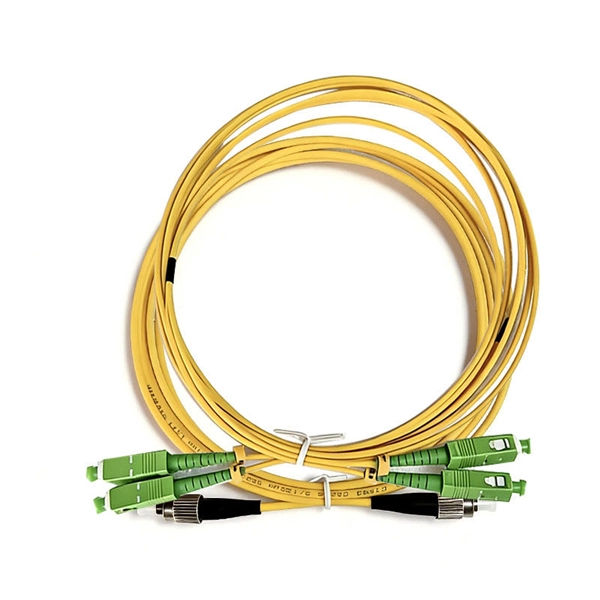
What materials are used in optical fiber optic cable granules
Fiber optic cables are made of several precisely engineered materials working together: an ultra-pure silica glass or plastic core that carries light signals, a glass or polymer cladding layer that reflects light back into the core, one or more protective coating layers of...
[PDF Version]
-

Essential tools for fiber optic cable breakage
These include a fiber optic stripper, which helps to strip insulation from fibers without damaging their structure, and cleavers for cleaning the ends of the fibers. An OTDR helps pinpoint faults, breaks, and splices along a fiber link with serious accuracy. Crucial for...
[PDF Version]
-
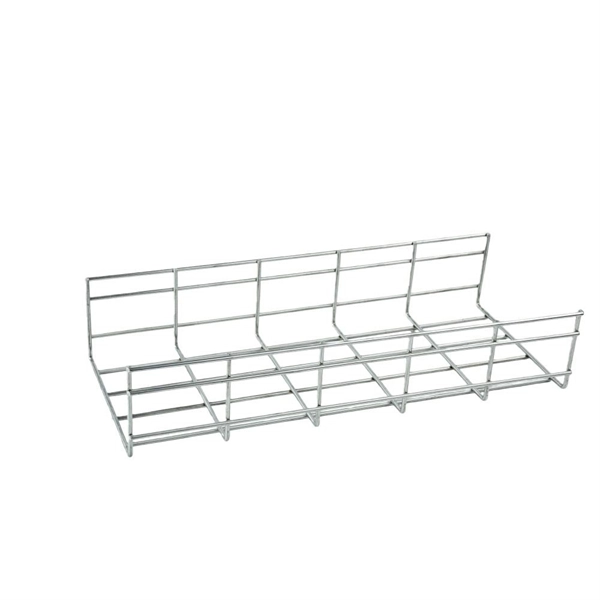
What are the tools in the fiber optic toolbox called
Complete tools and materials checklist for fiber optic technicians: fusion splicers, OTDR, power meters, safety equipment, and work-specific consumables. An OTDR helps pinpoint faults, breaks, and splices along a fiber link with serious accuracy. Crucial for certifying new...
[PDF Version]
-
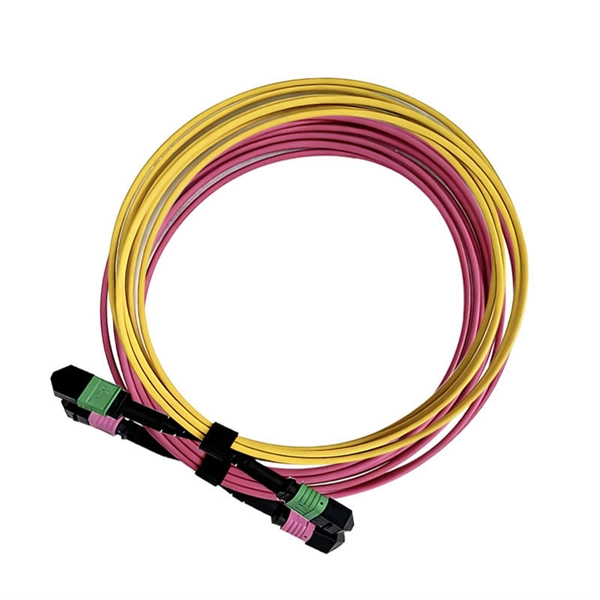
Tools for handling bends during fiber optic cable installation
Optical fibers require special care during installation to ensure reliable operation. Installation guidelines regarding minimum bend radius, tensile loads, twisting, squeezing, or pinching of cable must be followed.
Explore the next connection
- Reasons for fiber optic sensors detecting ultrafine particles
- Huijue Distribution Box Usage Tips
- Where is a suitable cabinet for installing fiber optic terminal boxes
- Attenuation per kilometer of G652 optical fiber
- Lida Three-Level Distribution Box System Diagram
- Selection Guide for 100G Power Network-Grade OLT Optical Line Terminals