
What is the width and depth of a server rack?
The standard width for a server rack is 19 inches, the most common size for rack-mounted IT equipment. The depth of server racks can vary, typicall...
Search optical fiber, connectivity, cable management and network infrastructure references.
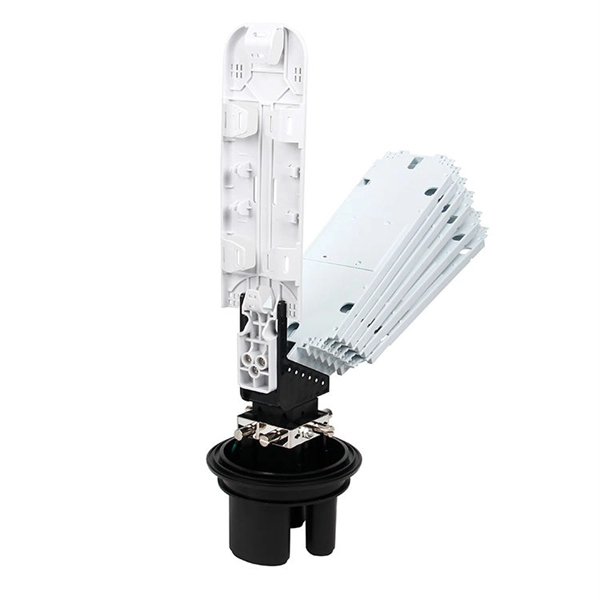
Passive Optical LAN (POL) is transforming the way organizations design and manage their network infrastructure. Originally derived from. Passive optical networking (PON), like active optical networking, uses fiber-optic cabling to provide Ethernet connectivity from a main...
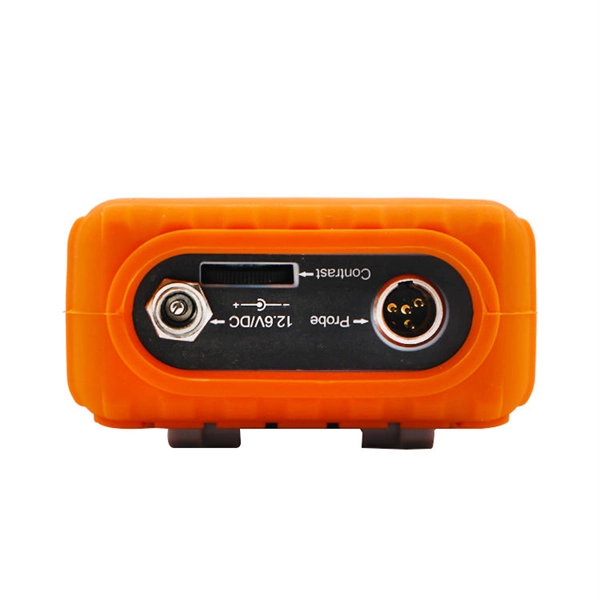
This guide provides essential best practices for server rack setup and organization, covering steps for effective installation, cable management, standards compliance, power distribution, cooling methods, and security measures. By following these practices, you can enhance...
Server Rack Sizes: The Complete Guide to Standard, Below is a comprehensive, fully detailed guide covering all standard server rack sizes, form factors, he.
[PDF Version]The standard width for a server rack is 19 inches, the most common size for rack-mounted IT equipment. The depth of server racks can vary, typicall...
Server rack cabinets come in various sizes, but the standard width is usually 19 inches. The height is measured in rack units (U), typically 24U, 4...
A standard rack unit, abbreviated as "U," is 1.75 inches (44.45 mm) tall. This unit of measurement is used to describe the height of equipment inte...
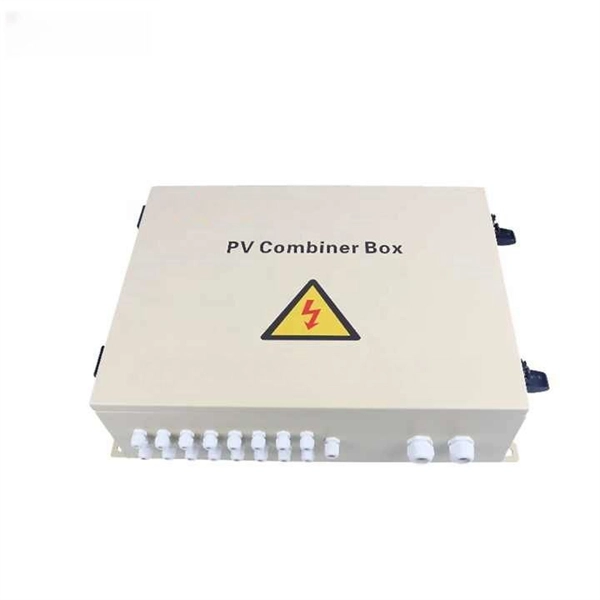
The recommended configuration is: 1 Main Switch: Controls the entire electrical system. X Room Socket Circuits: Each room should have its own circuit to manage regular sockets. In industrial and building electrical systems, the Powbinet, as a core device in the low-voltage...
[PDF Version]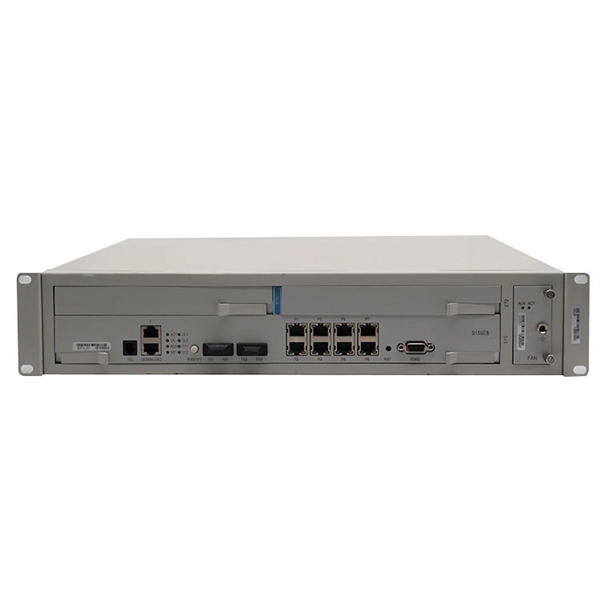
A cable management rack is designed to route, protect, and organize copper and fiber cables inside network cabinets. Beyond keeping cables tidy, a well-structured cable manager reduces cable stress, improves heat dissipation, and ensures bend-radius compliance for data. Poor...
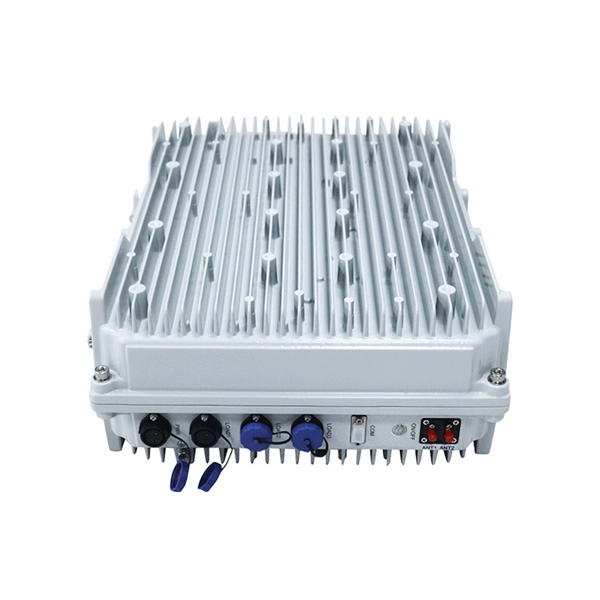
The SmartRack® SRW6U 6U network rack is designed to house EIA-standard 19-inch rack equipment in home and office network wiring closets, retail locations, classrooms, back offices and other are.
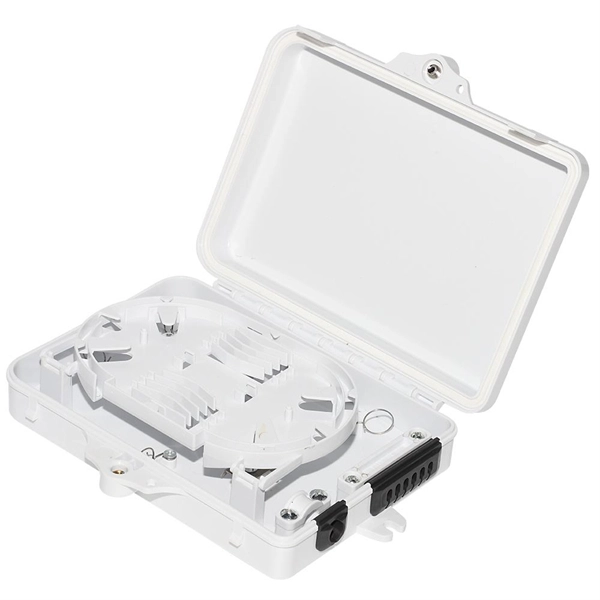
Acceptable dB loss for fiber depends on the component you're measuring: a single mated connector pair should lose no more than 0. 75 dB, a fusion splice should stay under 0. Q: What are the acceptable loss limits for fibre optic cabling? A: Acceptable loss limits vary based...
Share the fiber interfaces, termination capacity, cable route and evidence required for handover.