
The Key Differences Between Indoor And Outdoor Fiber
Search optical fiber, connectivity, cable management and network infrastructure references.
-
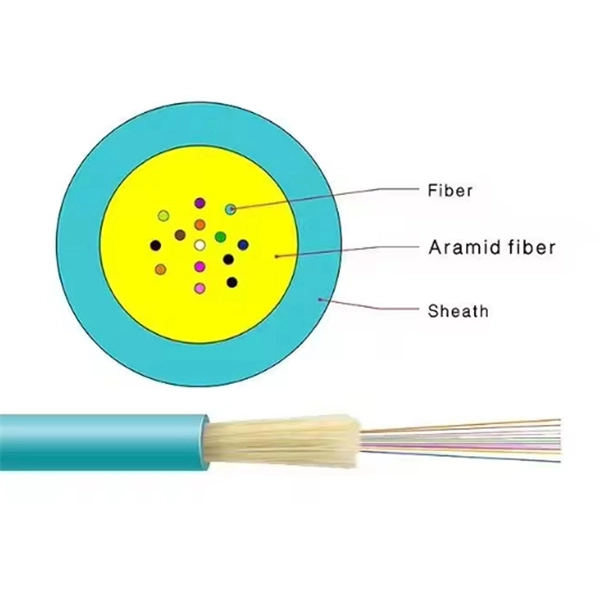
Indoor optical cables are optical cables laid inside buildings
Indoor optical cable is a fiber optic cable laid inside buildings, mainly used for communication equipment, computers, switches, and end-user devices in buildings to transmit information. As our reliance on fast, reliable internet connectivity grows, so does the importance...
-
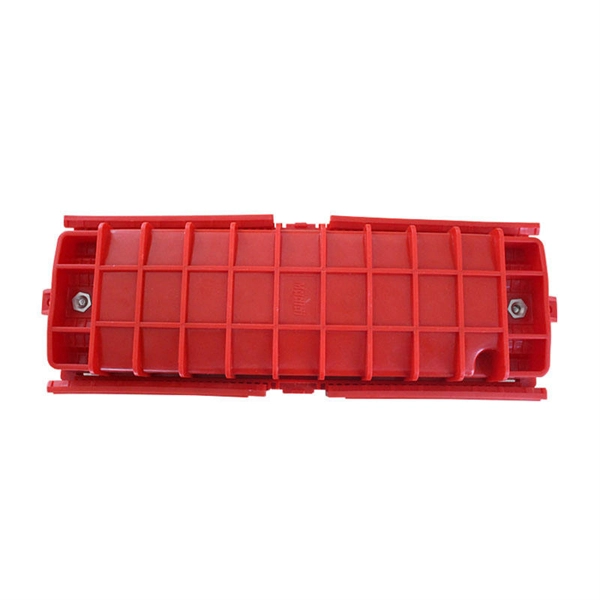
Requirements for Laying Bundle-shaped Indoor Optical Cables
103 describes characteristics, construction and test methods for optical fibre cables for indoor applications. In order for an optical fibre to perform appropriately, characteristics that a cable should have been described. Also, the method of determining whether the cable...
[PDF Version]
-
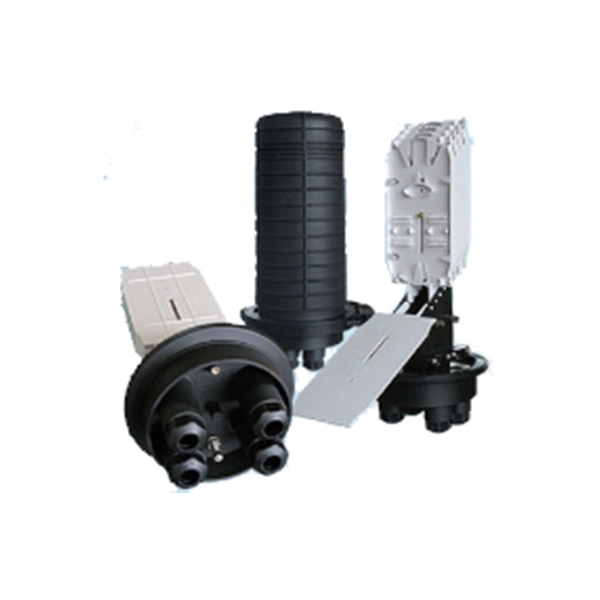
Price range of telecom-grade indoor optical fiber cables
Typical total project ranges and per-meter ranges with assumptions: A straightforward indoor fiber install with standard single-mode cable might cost about $0. 50 per meter for cable alone, with total project costs commonly in the $0. Commercial building installations with...
[PDF Version]
-
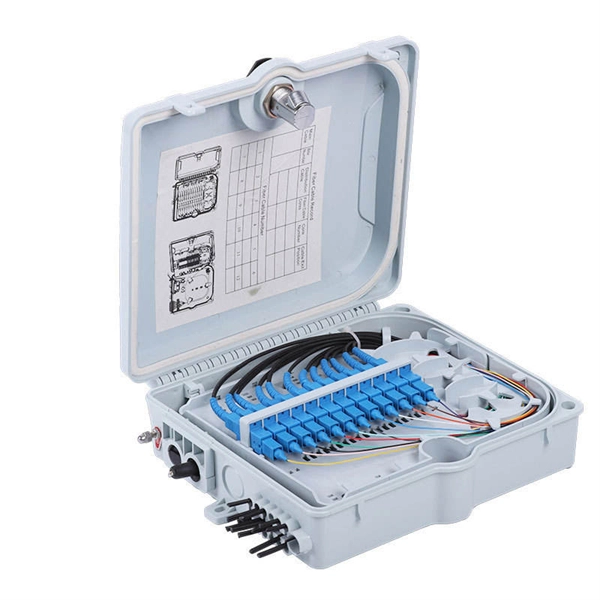
Indoor primary and secondary distribution boxes
A grid networks consist of an interconnected grid of circuits, energized from several primary feeders through distribution transformers at multiple locations. Grid networks are typically featured in.
-
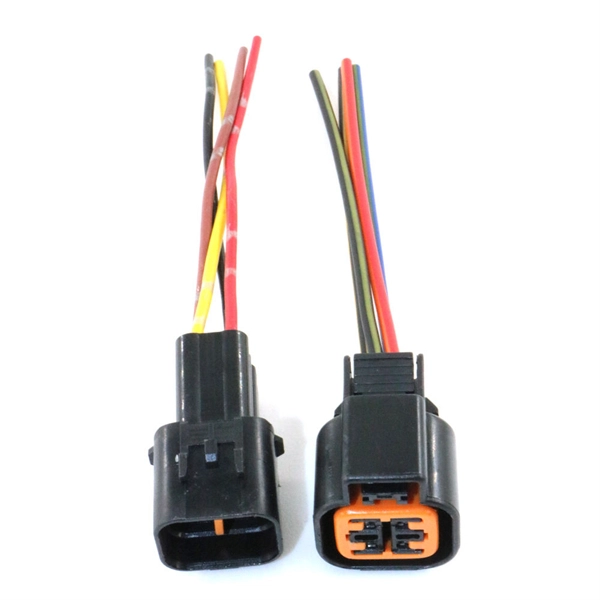
Introduction to Indoor Fiber Optic Distribution Frames
An Optical Distribution Frame (ODF) is a dedicated unit designed to organize, terminate, and interconnect fiber optic cables. It brings together fiber splicing, patching, and cable routing in a single structure, while shielding sensitive connectors and splices from...
-
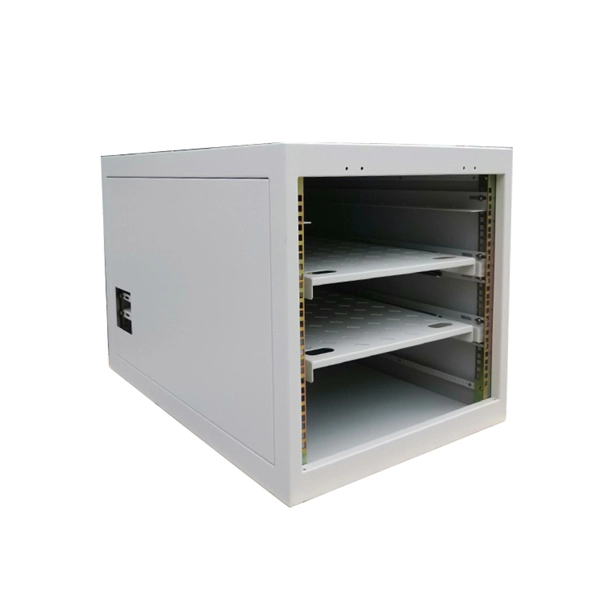
Indoor cable tray expansion gap
For a 100° F differential (winter to summer), a steel cable tray will require an expansion joint every 128 feet and an aluminum cable tray every 65 feet. The temperature at the time of installation will dictate the gap setting. Moisture cannot accumulate and be piped into...
[PDF Version]
Explore the next connection
- Network patch cord 110 patch panel
- How long does it take to splice a 256-core optical cable
- How to connect a two-core wire to a distribution box
- Common Specifications of Network Cabinets
- Pure Copper Cable Tray Accessories
- Lightning protection parameters for distribution boxes
- Fiber Optic Cable Intermediate Joint Box
- 4-pin optocoupler model
- Requirements for the installation distance of distribution box rails