
The Difference Between Single Dual Fiber And Single Multi Mode
Search optical fiber, connectivity, cable management and network infrastructure references.
-
Is a dual gigabit router necessary with a 100Mbps fiber optic connection
The short answer is no, you don't necessarily need a special router for fiber optic internet. With 100M optical fiber broadband, can I change the gigabit router to increase the network speed? In fact, when you are using 100M broadband, changing to a gigabit router can not...
[PDF Version]
-
Dual fiber optic module left receive right transmit
Dual-fiber WDM uses two separate optical fibers: one for transmission (Tx) and the other for reception (Rx). It is the standard approach in most enterprise and carrier-grade WDM deployments. Dual fiber transceivers use two fibers, giving more speed and stability. For this...
-
Is the 4-core fiber optic cable a single cable or not connected at all
A 4 Core Optical Cable is a fiber optic cable that contains four individual optical fibers within a single protective outer jacket. In most modern applications, these are Single-Mode (G. A) fibers, designed for long-distance. Here are some factors to consider: Number of...
-
Working principle of dual fiber optic collimator
The basic working principle is that the fiber's end face is placed at or near the focal point of a lens. Light exiting the fiber spreads out; if positioned correctly relative to the lens, the lens converts that diverging cone into a beam with minimal divergence (a collimated...
-
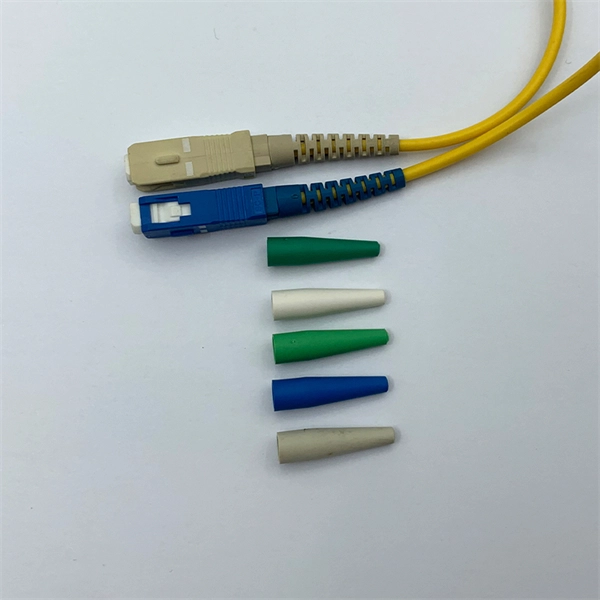
Price of a single core of drop optical fiber cable
A simple 1-core FTTH drop cable costs around $0. Pre-terminated assemblies and patch cables incur higher costs due to factory termination, with prices varying by connector type and the number of. A fiber optic drop cable 1 core is one of the most widely adopted solutions in...