
Terminal And Junction Boxes Explosion Protection
Search optical fiber, connectivity, cable management and network infrastructure references.
-

Comparison of Intelligent Fiber Optic Terminal Boxes and How to Choose Them
A practical, expert-backed guide to selecting the right fiber optic terminal box—covering IP rating, splice capacity, mounting options, environmental resilience, and real-world deployment criteria. In every fiber build, there's a quiet place where the glass path meets the...
[PDF Version]
-
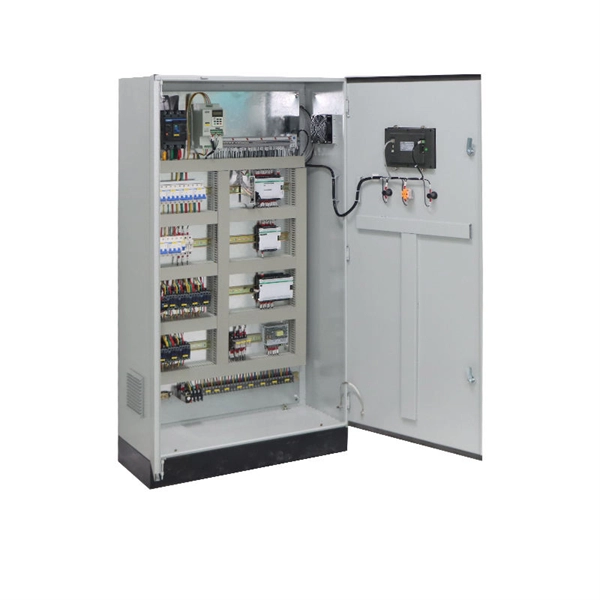
Why do fiber optic junction boxes need power
While fiber is highly efficient at transmitting light over long distances with minimal signal loss compared to copper, active components are sometimes necessary to boost the signal, particularly in extensive networks. The modem needs power to convert the fiber carrier signal...
[PDF Version]
-
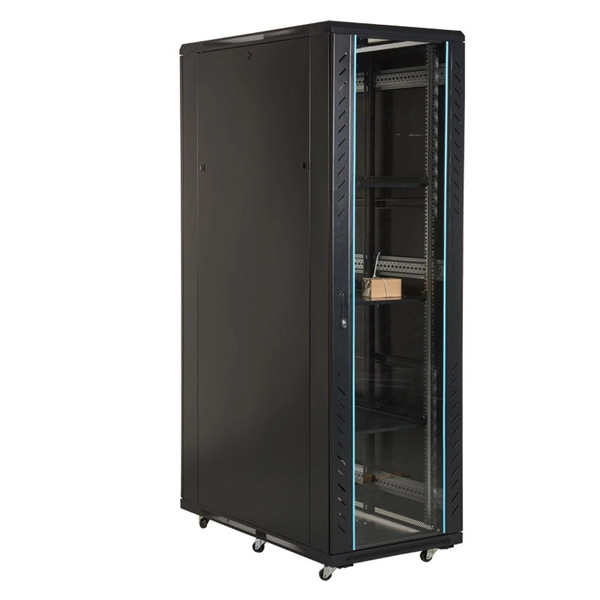
Are fiber optic cable junction boxes corrosion-resistant and durable
Constructed from durable materials such as high-impact polymers, UV-resistant plastics, or corrosion-proof metals, fiber optic junction boxes are engineered for both indoor and outdoor deployment. With the increasing digitization and requirement for high-speed networking, the...
[PDF Version]
-
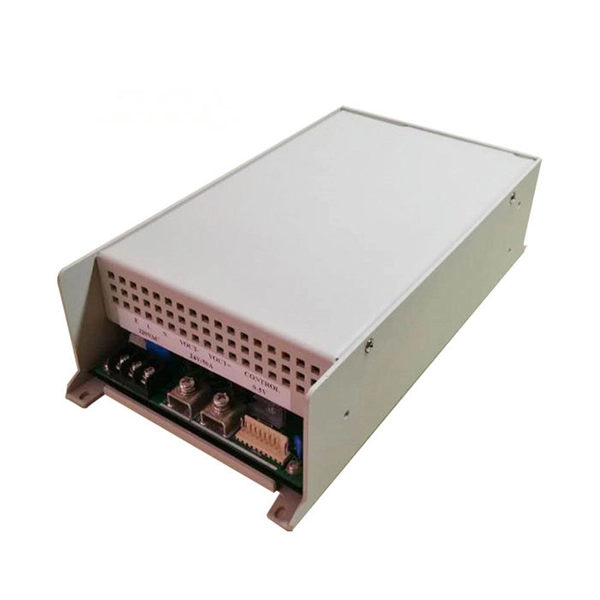
Waterproofing Test Method for Optical Cable Junction Boxes
315 describes the methodology for water detection in splice closures/cabinets, the fundamental requirements for water sensors and technical considerations concerning the optical time domain reflectometry (OTDR)-based water ingress monitoring and location. Recommendation ITU-T...
[PDF Version]
-
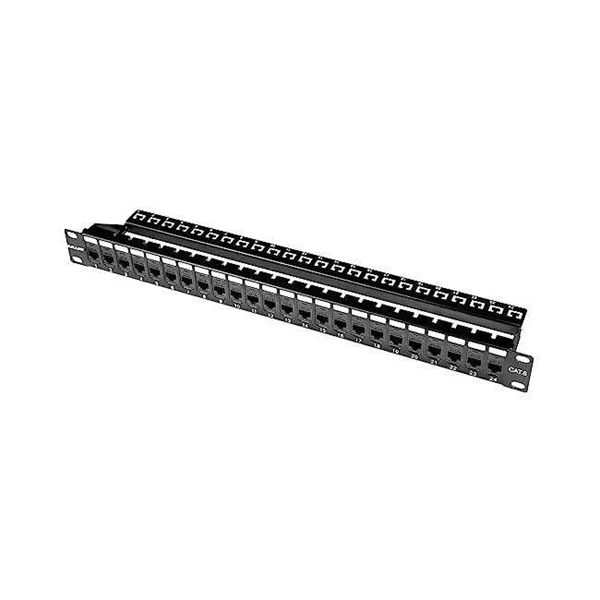
The types of protection devices for distribution boxes include
The key protective devices —such as fuses, circuit breakers, relays, and surge protectors—that help ensure the safety, reliability, and efficiency of power distribution. There are many different kinds of devices like fuse, switch breaker, RBCC, etc. and each one is made to...
[PDF Version]