
Surface Emitting Semiconductor Lasers
Search optical fiber, connectivity, cable management and network infrastructure references.
-
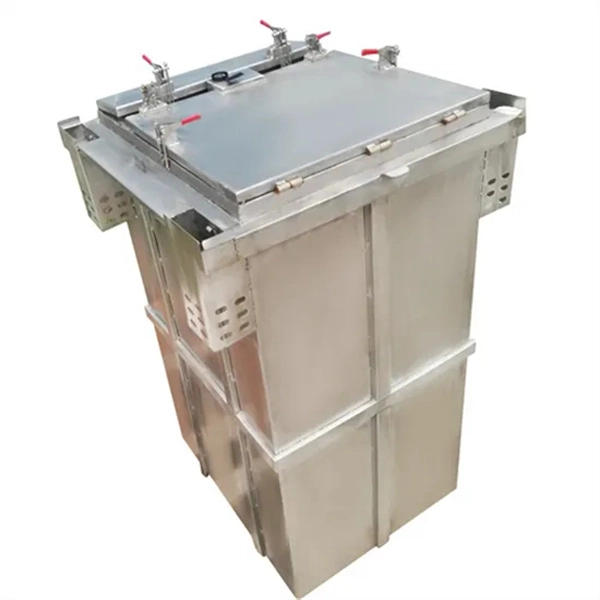
Selection Guide for QSFP Vertical Cavity Surface Emitting Lasers for Rail Transit
📦 For purchasing, use the RP Photonics Buyer's Guide for vertical cavity surface-emitting lasers. It provides an expert-curated supplier directory, buyer-focused technical background information, and structured selection criteria to support professional procurement decisions...
[PDF Version]
-
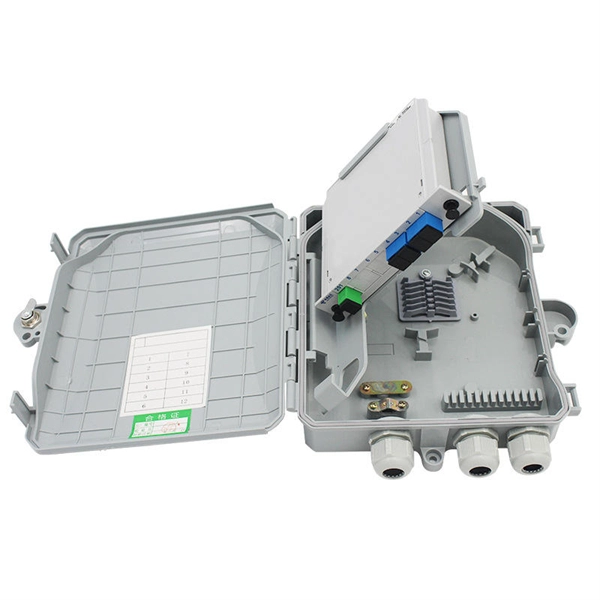
Barbados CE Certified Vertical Cavity Surface Emitting Laser 10G
The surface emission from a bulk semiconductor at ultra-low temperature and magnetic carrier confinement was reported by Ivars Melngailis in 1965. The first proposal of short VCSEL was done by Kenichi Iga of Tokyo Institute of Technology in 1977. A simple drawing of his idea...
-
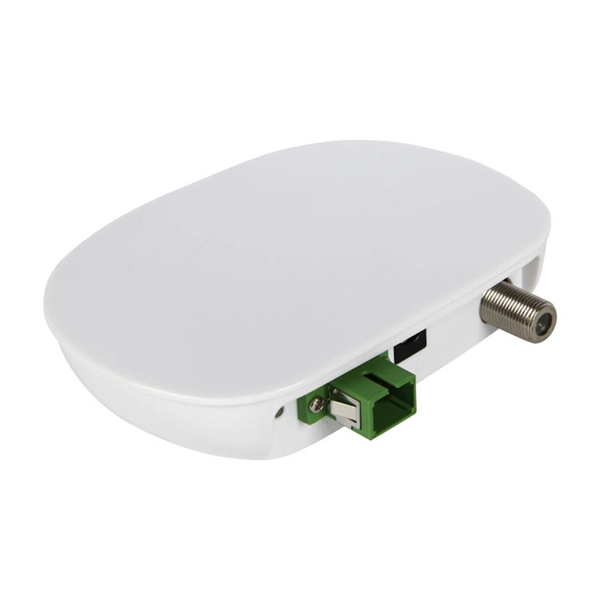
Bahrain spot vertical cavity surface emission laser 800G
The surface emission from a bulk semiconductor at ultra-low temperature and magnetic carrier confinement was reported by Ivars Melngailis in 1965. The first proposal of short VCSEL was done by Kenichi Iga of Tokyo Institute of Technology in 1977. A simple drawing of his idea...
-
The principle of LED lasers
LED and laser are both semiconductor devices that interact with light energy and electricity but function differently. An LED (Light Emitting Diode) converts electricity into light, whereas a laser amplifies light to produce a coherent, monochromatic beam. Although lasers...
[PDF Version]
-
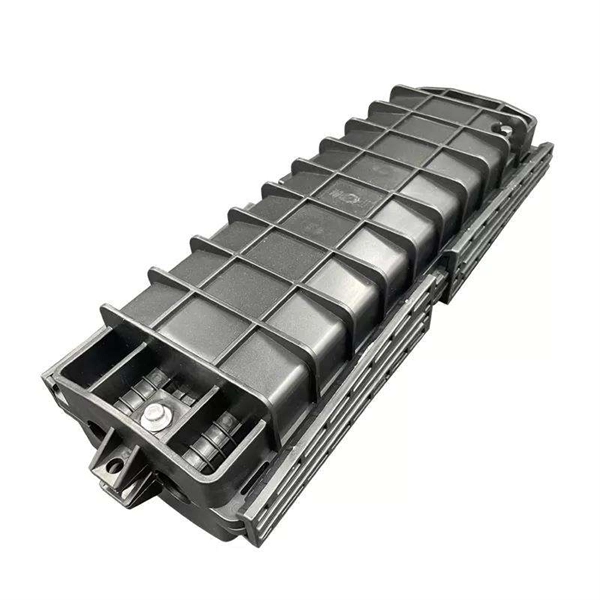
Fiber Optic Cable Surface Repair Process
Repairing fibre optic cable can be broken down into four steps: identifying where the damage is, isolating the damaged area, repairing the damage and testing the cable. The obvious first step is to locate and assess the extent of the damage to the fibre optic cable. Fiber...
[PDF Version]
Explore the next connection
- Meaning of high-voltage distribution box
- Techniques for Cut-out Cable Trays
- Outdoor Cable Tray Size Guide
- Dongya Tubular Busbar Manufacturer
- Weight of Fireproof Optical Cable Tray
- 48-port optical interface board module
- Fiber Optic Splitter Industry
- Cuban waterproof junction box dual core available in stock
- What s the name for something with a pigtail tie