
Structured Cabling
Search optical fiber, connectivity, cable management and network infrastructure references.
-
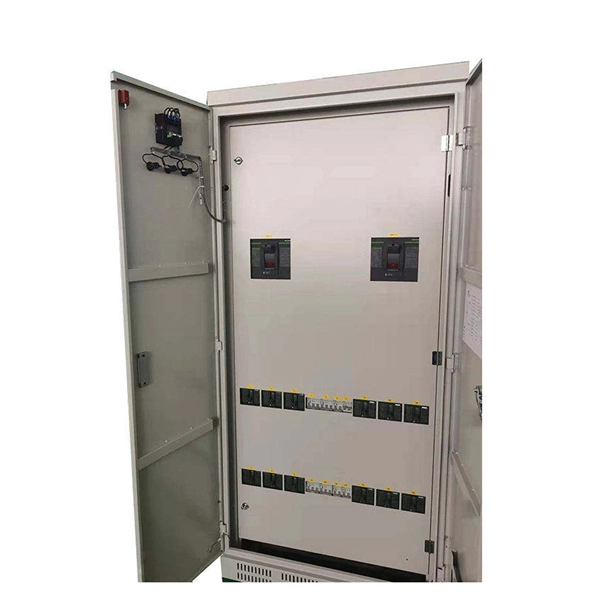
Function of Fiber Optic Patch Panels in Structured Cabling
A fiber patch panel is a mounted enclosure—either rack-mounted or wall-mounted—used to terminate, manage, and interconnect multiple fiber optic cables. It acts as a hub for organizing splices and patch cords, streamlining fiber management and preserving signal integrity. A...
-
How to Choose Fiber Optic Cables for Indoor Structured Cabling
Indoor cables connect devices within homes, office buildings, data centers, and other interior spaces. At its core, an indoor fiber cable is a type of cable containing one or more optical fibers that are used to carry light. These fibers are typically made of glass or plastic...
-
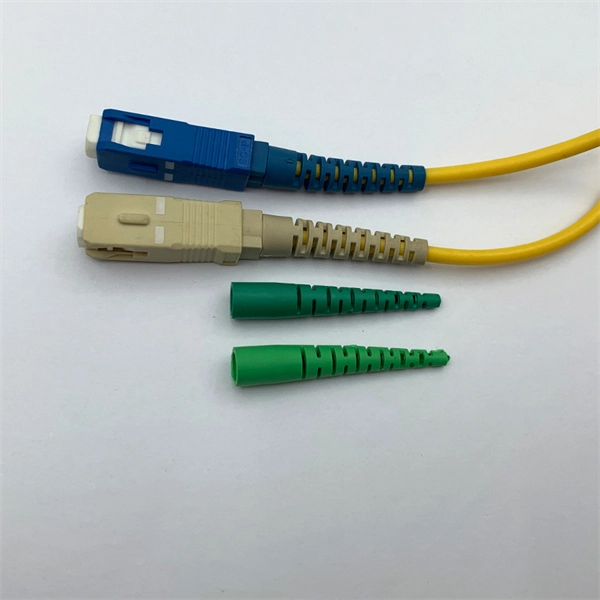
Standard dimensions and specifications of network cabling cabinets
Standard width is 19 inches (EIA-310 compliant), while outer widths vary (e. 5″) to allow space for cable management and airflow. Options include 24″, 36″, 42″, 48″, and 59″. Three key specifications — ANSI/EIA RS-310-D, IEC 60297-2, and DIN 41494 — have defined the...
[PDF Version]
-
Network rack cabling installation price
Professional network cabling in 2026 typically costs $150-$250 per commercial Cat6 drop, $200-$350+ per harder Cat6A commercial drop, and $200-$400 for isolated finished-wall additions where minimum service-call labor dominates. Open-wall pre-wire lowers the per-drop cost...
[PDF Version]
-

Data Center Cabling Bundled 24-Core Fiber Optic Patch Cord
This in-depth guide breaks down everything you need to know about GJPFJH 24-core bundled indoor fiber cable – from its core design and technical specs to real-world deployment cases, pro tips, and why TTI Fiber is your best partner for sourcing this game-changing cable...
[PDF Version]