
Structured Cabling Color Coding Standards And Purposes
Search optical fiber, connectivity, cable management and network infrastructure references.
-
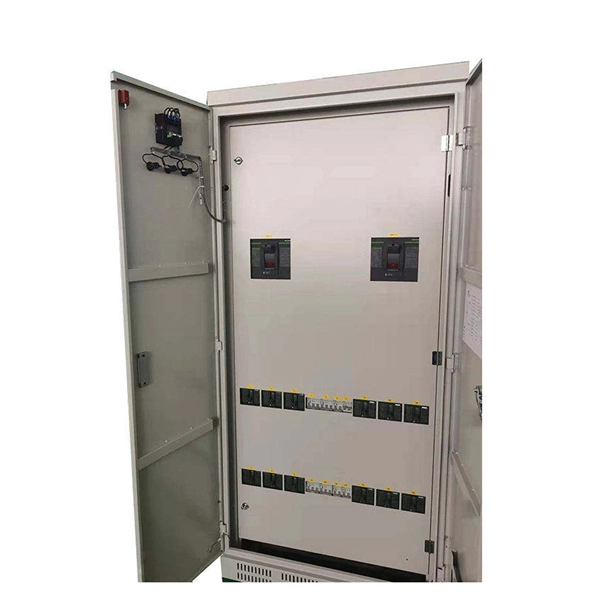
Function of Fiber Optic Patch Panels in Structured Cabling
A fiber patch panel is a mounted enclosure—either rack-mounted or wall-mounted—used to terminate, manage, and interconnect multiple fiber optic cables. It acts as a hub for organizing splices and patch cords, streamlining fiber management and preserving signal integrity. A...
-
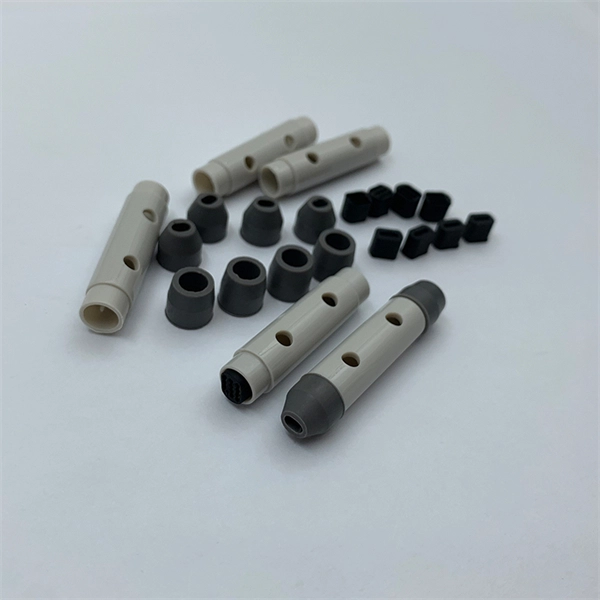
How to Choose Fiber Optic Cables for Indoor Structured Cabling
Indoor cables connect devices within homes, office buildings, data centers, and other interior spaces. At its core, an indoor fiber cable is a type of cable containing one or more optical fibers that are used to carry light. These fibers are typically made of glass or plastic...
-

Color scheme standards for network patch panels
Patch Cable Colour Specification | Fourbs ResourcesThis document outlines the standardized color-coding scheme for patch cables used in our organization's.
[PDF Version]
-
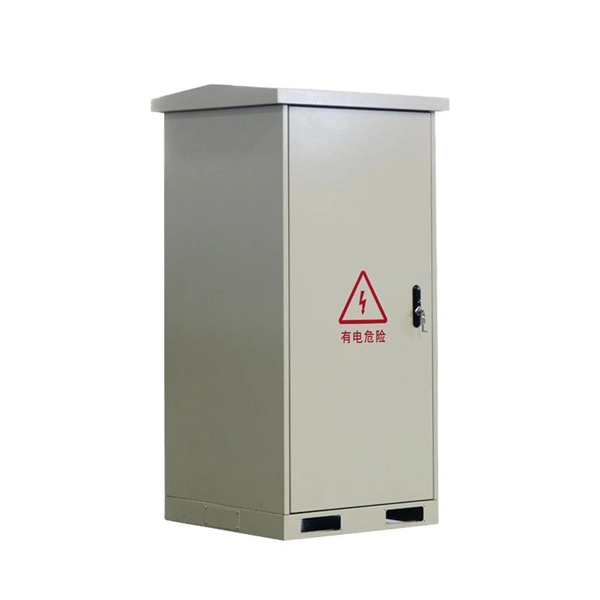
Color coding of incoming lines in distribution box
Incoming line of the distribution box 1) Generally, the incoming line of power distribution box adopts five wire system, that is, a, B and C three-way phas.
[PDF Version]
-
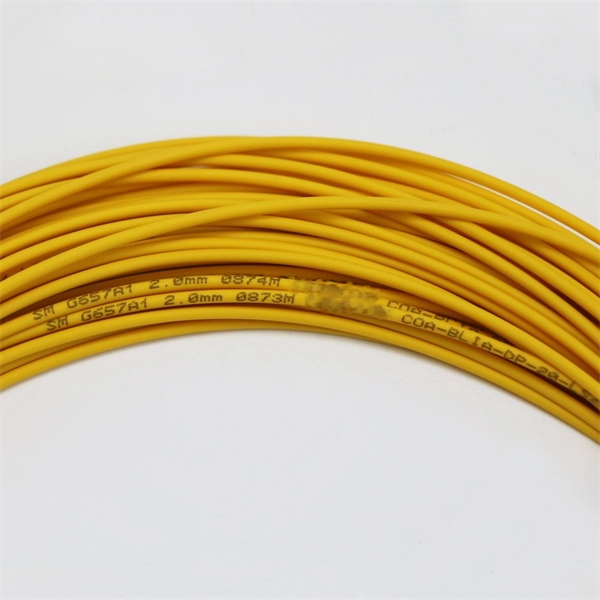
Cable Distribution Box Acceptance Standards
Check for proper IP/NEMA ratings and material quality. Ensure safe placement: install in dry, accessible areas with good ventilation and at appropriate height (typically ~1. Practice good wiring: secure grounding, neat cable management, proper insulation, and correct wire...
[PDF Version]
-
Standard dimensions and specifications of network cabling cabinets
Standard width is 19 inches (EIA-310 compliant), while outer widths vary (e. 5″) to allow space for cable management and airflow. Options include 24″, 36″, 42″, 48″, and 59″. Three key specifications — ANSI/EIA RS-310-D, IEC 60297-2, and DIN 41494 — have defined the...
[PDF Version]