
Straight Through Crossover And Rollover Cable Pinouts Explained
Search optical fiber, connectivity, cable management and network infrastructure references.
-
The function of straight bends in cable trays
Horizontal bends redirect cable paths within the same plane, ideal for navigating around building columns or equipment. Vertical inside bends (risers) transition cables from horizontal to vertical planes while maintaining minimum bend radius for sensitive data cabling. This...
[PDF Version]
-
Straight cut of cable tray
Follow these steps to cut the stainless steel cable tray: 1. Begin cutting with slow, steady strokes if using a hacksaw, or carefully guide the power saw along the marked line. Apply consistent. Cable trays are essential components in electrical installations, providing a...
[PDF Version]
-
Cable trays are made straight
Several types of tray are used in different applications. A solid-bottom tray provides the maximum protection to cables, but requires cutting the tray or using fittings to enter or exit cables. A deep, solid enclosure for cables is called a cable channel or cable trough. A...
[PDF Version]
-
Fiber Optic Cable Fittings Strands
There are connectors designed for single mode and multimode fiber optic cables, which differ in core size, bandwidth, and optimal use cases as explained in this comprehensive guide to fiber optic cable.
-
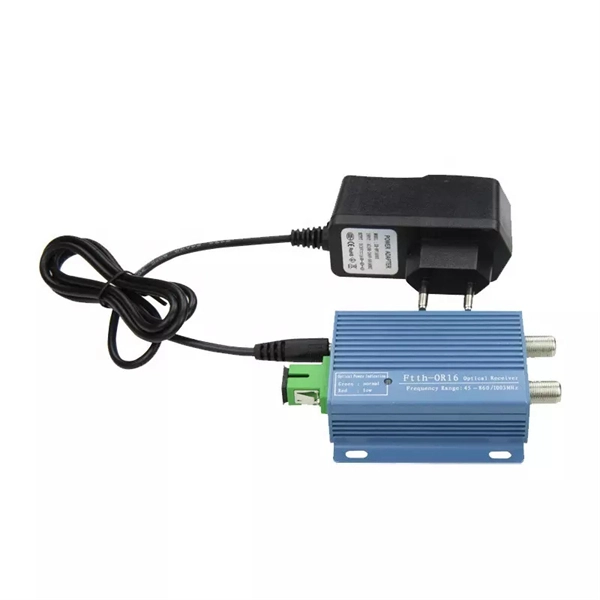
Is the ADSS fiber optic cable dual-mode or single-mode
ADSS (All-Dielectric Self-Supporting) fiber cable is a robust, non-metallic optical cable designed for aerial installations without the need for a separate messenger wire. It consists of single-mode or multi-mode fibers housed in loose tubes made of high-modulus plastic...
-
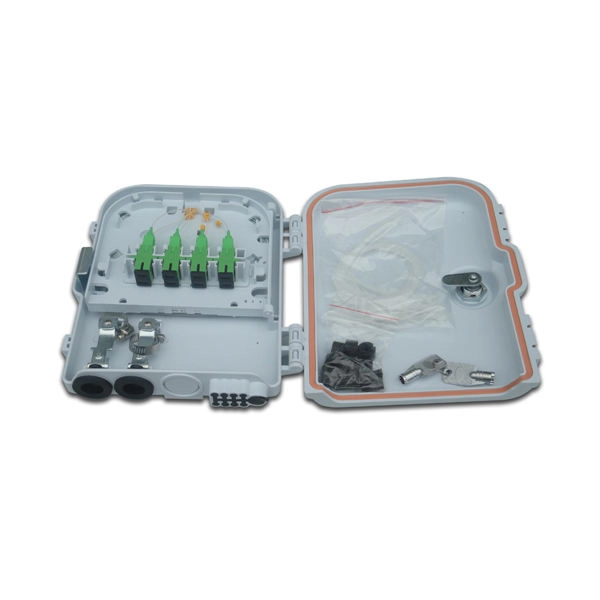
How much does it cost to install a surveillance system with a 4-core fiber optic cable
Wired IP installations commonly cost $125–$450-450 per camera installed, or $500–$1,600-1,600 for a 4-camera system. A 4-camera home system and a 32-camera warehouse system are fundamentally different projects with different budgets, different hardware requirements, and...
[PDF Version]
-
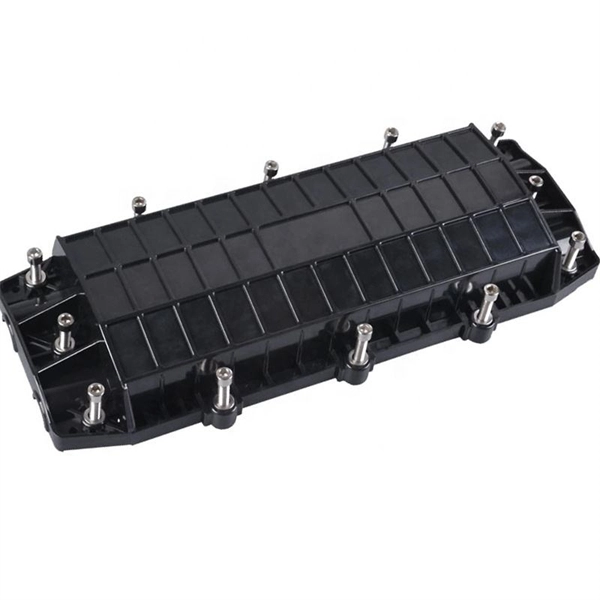
72-core optical cable broken
This guide provides a detailed roadmap for locating and fixing fiber optic cable breaks, covering detection techniques, repair methods, and best practices. With CommMesh's advanced tools and solutions, you'll learn how to restore networks seamlessly. However, physical damage...
-
Requirements for Cable Trays in Electrical Engineering
Provides technical requirements concerning the construction, testing, and performance of metal cable tray systems. The Cable Tray ng standards, performance standards, test standards and application in this document have been tested extens ompetent professional en completely...
[PDF Version]
Explore the next connection
- Chad-based domestic manufacturer of optical fiber cables for smart buildings
- What is the function of a fiber optic distribution cabinet
- Communication Optical Cable Engineering Design
- How to ground the ground wire when modifying a distribution box
- Are cable trays considered electrical appliances
- Requirements for Relay Protection Compartments
- What is a converged core switch
- Distribution Box Panel Design Requirements