
Selecting The Right Materials For Cable Tray Use At High Temperatures
Search optical fiber, connectivity, cable management and network infrastructure references.
-
Large bends and right angles in cable trays
This guide explains how to make 90° bends, vertical bends, tees, and offsets in wire mesh cable trays safely and professionally. Horizontal 90° Bend (Flat Bend) 2. The mechanical and electrical characteristics, tests, certifications, overall quality management...
[PDF Version]
-
Materials Glass Fiber Optic Cable
Fiber optic cables are made primarily of ultra-pure glass, specifically silicon dioxide (silica), the same compound found in quartz and ordinary sand. The glass itself is just. Fiber optic cables transmit information across vast distances by guiding light pulses through a...
[PDF Version]
-

How to flip a cable tray to a right angle
You can buy a manufactured 90 degree bend or make one on a cable tray bending machine but in this video I show you how to make one using a metal bar. Students trading aid on how best to put an internal 90 degrees bend in steel cable tray. When a wire cable tray is cut, the...
-
What materials are used in the production of mesh cable trays
Wire mesh baskets and cable trays are typically made from materials like steel, aluminium, or stainless steel. Each of these materials has its unique benefits, making them ideal for different types of installations. Trays shall be supported at a maximum span of 2. 5m by...
[PDF Version]
-
Main materials for cable tray support frames
The material of a cable support system is normally steel or stainless steel. Various galvanisation surfaces can be applied to improve corrosion protection. A cable support system consists of cable support lengths and system components, such as cable support fittings, support...
[PDF Version]
-
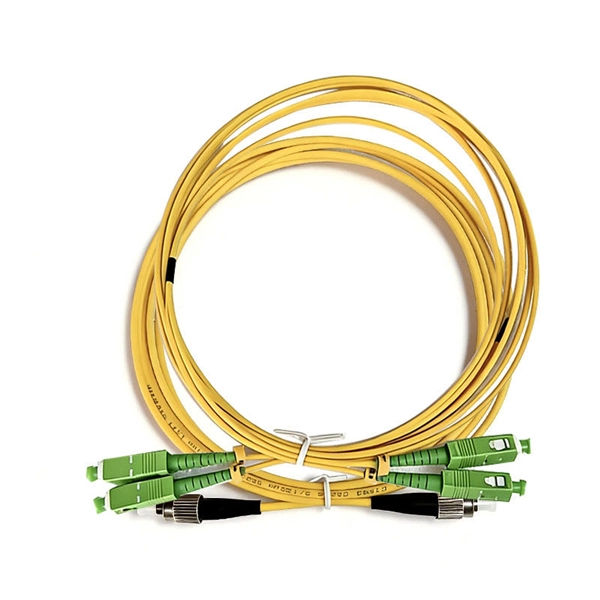
What materials are used in optical fiber optic cable granules
Fiber optic cables are made of several precisely engineered materials working together: an ultra-pure silica glass or plastic core that carries light signals, a glass or polymer cladding layer that reflects light back into the core, one or more protective coating layers of...
[PDF Version]
-

Materials for Extending Cable Tray Projects
The choice of material affects the durability and performance of the cable tray. Stainless Steel – Ideal for harsh environments with chemical exposure. Understand Your Cable Tray Requirements Before selecting a cable tray, consider the following key factors: Cable Type and...
[PDF Version]
-
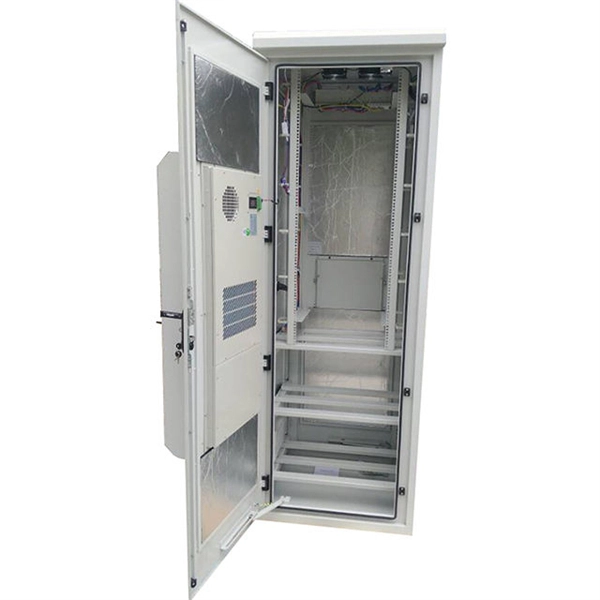
What materials are used for cable tray hanging holes
Here are the most common materials: Galvanized Steel – Provides high corrosion resistance and durability. Stainless Steel – Ideal for harsh environments with chemical exposure. Aluminum – Lightweight, rust-resistant, and easy to install. The choice of material affects the...
[PDF Version]
Explore the next connection
- The working principle of an integrated power supply is
- Angle Fiber Array
- What are the patents for fiber optic connectors
- Flame retardant treatment for electrical distribution boxes
- Painting Metal Distribution Boxes
- Australian Professional Tray Cable Trays
- Sc Fiber Optic Outdoor Patch Cord
- Albanian Spectrometer Brands