
Rollable Ribbon Fiber Advantages And Challenges
Search optical fiber, connectivity, cable management and network infrastructure references.
-
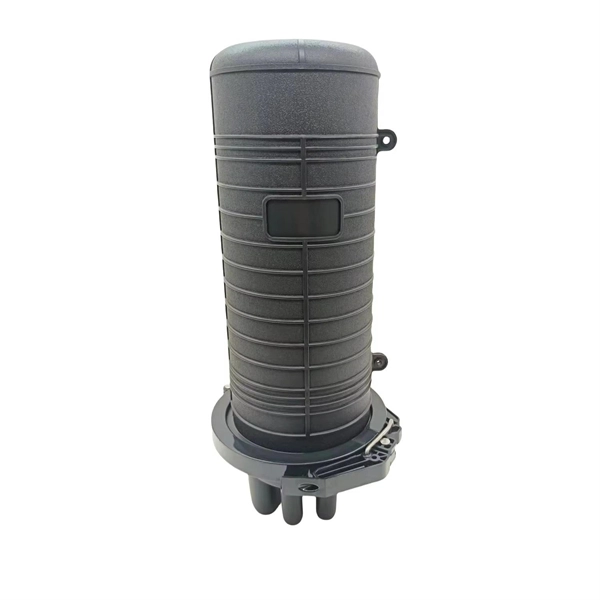
Is ribbon fiber single-mode
Ribbon fiber optic cables are also classified by fiber type into single-mode and multi-mode fibers. Single-mode fibers are suited for long-distance, high-bandwidth transmission with low signal loss, making them ideal for long-distance communication and core networks. It...
[PDF Version]
-
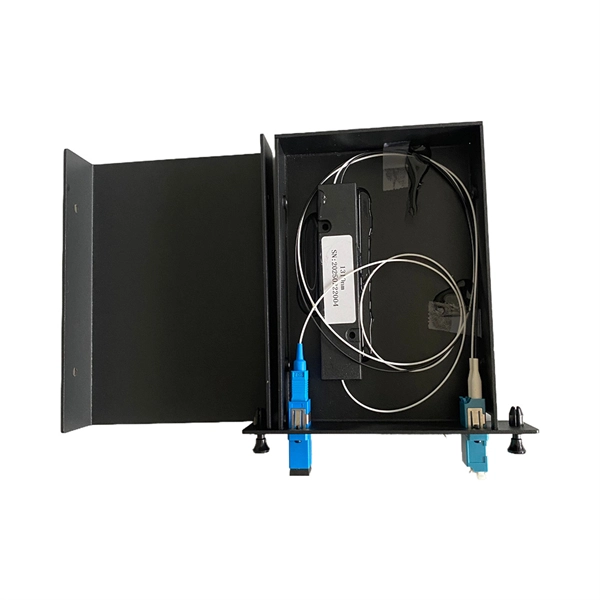
Ribbon fiber optic cable connection pigtail
Pigtails connect optical fibers to network components, while ribbon fiber cable organizes multiple fibers within a single structure, enhancing space efficiency and connectivity. Fiber pigtails. The 12 Fibers Singlemode LC/UPC Ribbon Fanout Fiber Optic Pigtail is designed for...
[PDF Version]
-
Advantages of Fiber Optic Hydrogen Sensors
Due to its inherent advantages, including intrinsic safety, immunity to electromagnetic interference, compact size, and capability of multiplexing, fiber-optic hydrogen sensors have become as a prominent approach in this field. With the increasing adoption of hydrogen energy...
[PDF Version]
-
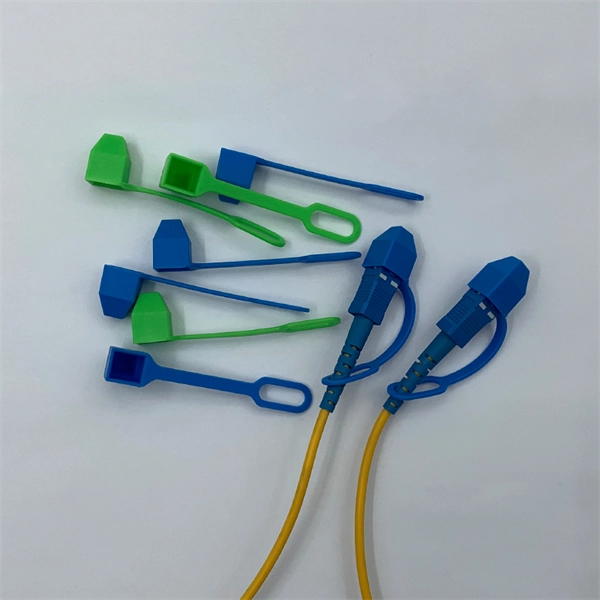
Does a 48-core ribbon fiber optic cable exist
These cables contain 48 individual optical fibers arranged in a flat ribbon configuration, enabling faster splicing, simplified management, and efficient use of space. This includes Telcordia. Corning ribbon interlocking armored plenum cables are designed for use in plenum...
-
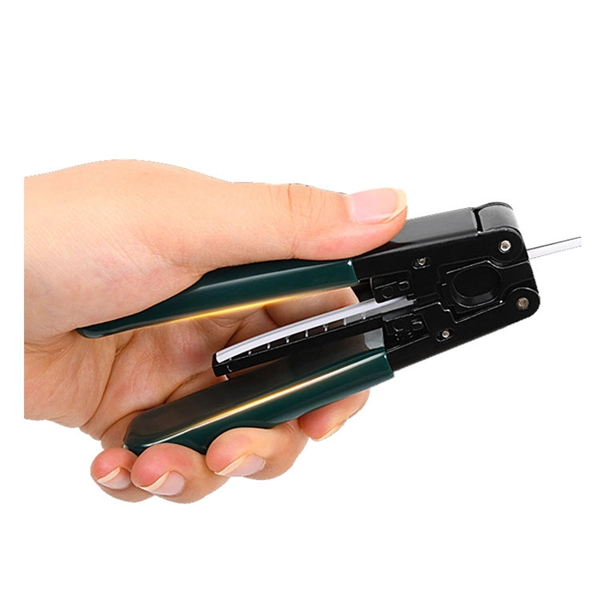
Advantages and disadvantages of fiber optic strippers
Potential for chemical damage to the fiber, environmental hazards, and disposal challenges. Requires careful attention to safety regulations. Convenience, reduced risk of damage. Fiber strippers are precision tools that reliably and cleanly remove a defined length of coating...
[PDF Version]
-
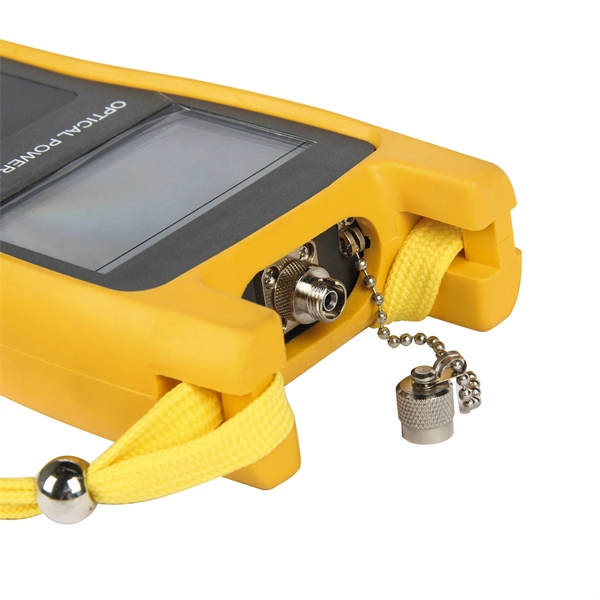
Advantages of Multimode Fiber Optics over Singlemode Fiber
Single Mode vs Multimode Fiber: Pros, Cons,Multimode fiber is generally easier to install and less expensive, especially for short-distance applications. T.
[PDF Version]
-
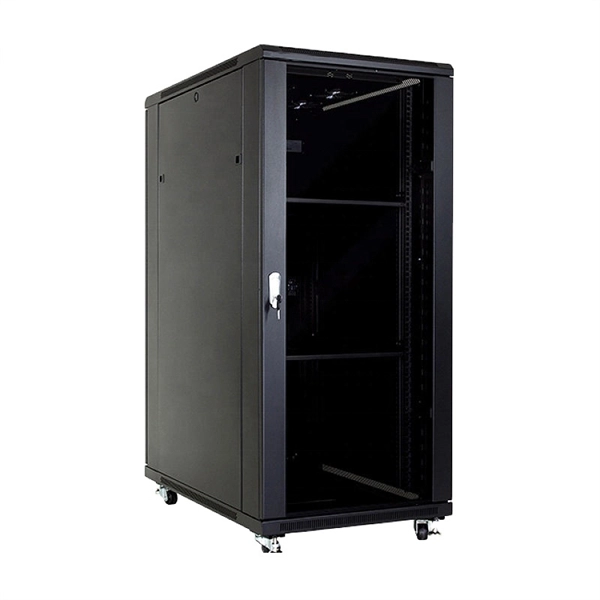
Advantages and disadvantages of gigabit fiber optic patch cords
As data rates increase from 10G → 100G → 400G → 800G, patch cables must handle more bandwidth, more density, and stricter quality standards. A fiber optic patch cord, also known as a fiber jumper or patch cable, is a cable with connectors on both ends used to connect optical...