
Relay Classification In Power System Protection
Search optical fiber, connectivity, cable management and network infrastructure references.
-
The classification of power relay protection includes
The relay applies protection elements such as overcurrent, distance, differential, voltage, frequency, thermal, directional, or ground fault logic. A typical protective relay circuit is shown below: Protective Relay Circuit Diagram The first part of the circuit consists of...
[PDF Version]
-
Calculation of Relay Protection Settings in Local Power Systems
Use this Protection Relay Setting Calculator to calculate pickup current, time multiplier settings (TMS), operating time, coordination time interval (CTI), and plug setting multiplier (PSM) using fault current, CT ratio, and IEC 60255 curve parameters. Protection Settings...
[PDF Version]
-
What are power grid relay protection devices
typically form a mesh-like grid, so the current might be flowing into the fault from either direction, making the non-directional relays mostly unsuitable for protection, so the distance and pilot relays are typically used. The use of directional relays is not always...
-
Positive direction of relay protection power
All current and voltage vectors have 120 degrees phase shifts and a sum of 0. Under a no-fault condition, the power system is considered to be essentially symmetrical therefore, only positive sequence currents and voltages exist. Directional relays have protection zones that...
[PDF Version]
-
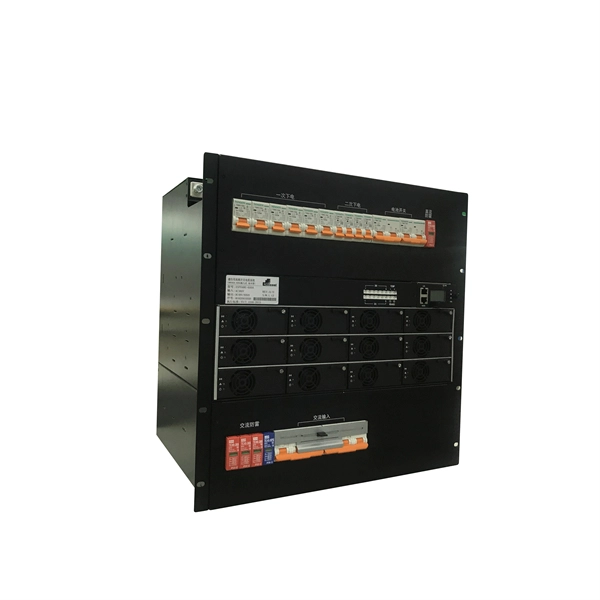
Where should the relay protection device be connected to the power supply
The objective of relay protection is to quickly isolate a faulty section from both ends so that the rest of the system can function satisfactorily. The functional requirements of the relay:.
-
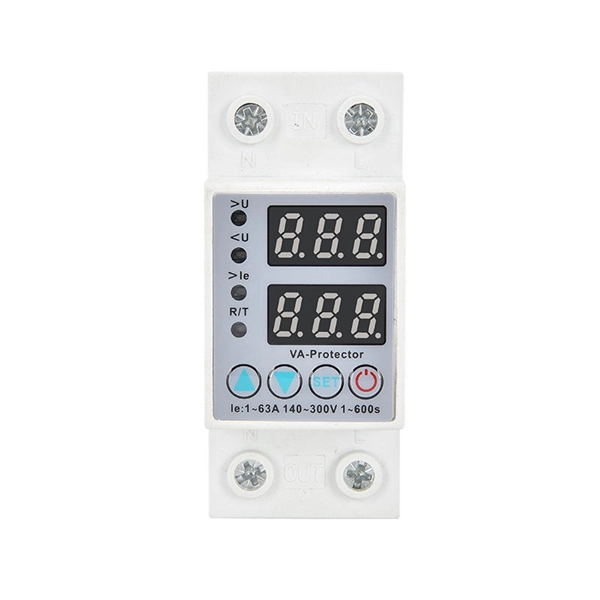
Power Inlet Line Relay Protection
Differential Relay: Compares currents at two points; operates when there is a difference (used in transformers and generators). Earth Fault Relay: Detects leakage currents to the. SEL relays detect faults and other abnormal conditions in electric power systems and initiate...
[PDF Version]
-
Power system relay protection branch coefficient k
The K factor (or zero-sequence compensation factor) adjusts the measured impedance for the phase-to-ground fault loop by accounting for the contribution of zero-sequence currents. Time-graded protection is implemented using overcurrent relays with either definite time...