
Radius Systems Solid Wall Pe Ducting
Search optical fiber, connectivity, cable management and network infrastructure references.
-
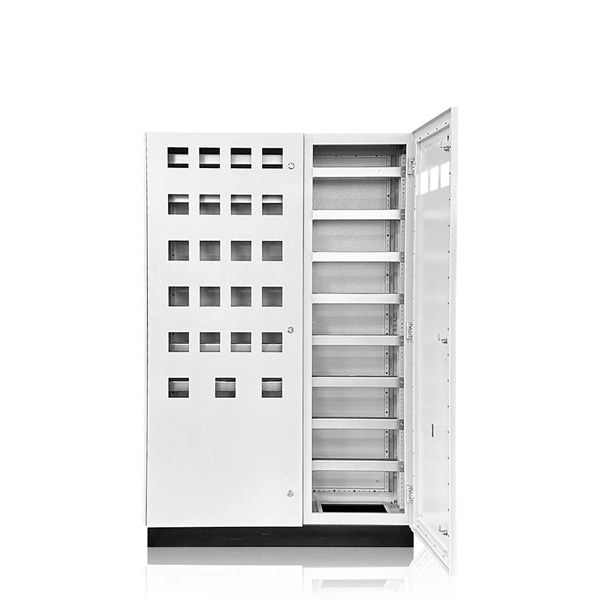
Wall-mounted fiber-wound tubing for power systems
Filament-wound fiberglass tubes, also known as glass fiber reinforced epoxy tubes, are high-performance composite tubes made by winding glass fibers and epoxy resin. They are lightweight, high-strength, heat-resistant, corrosion-resistant, and possess excellent electrical...
[PDF Version]
-
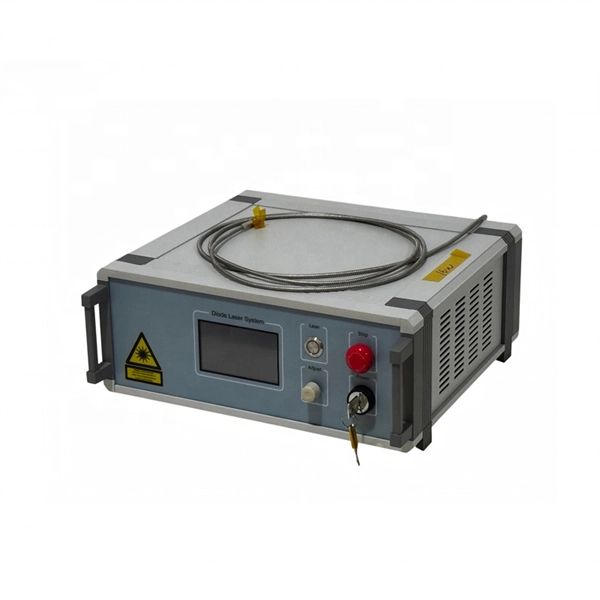
Bending radius of optical fiber and electrical cable
The bend radius of fiber cables is critical for maintaining high performance and longevity. Bending of a fiber optic cable can damage the cable if the curvature of the bend is too small. This article provides a practical, installation-focused guide to fiber bend radius...
-
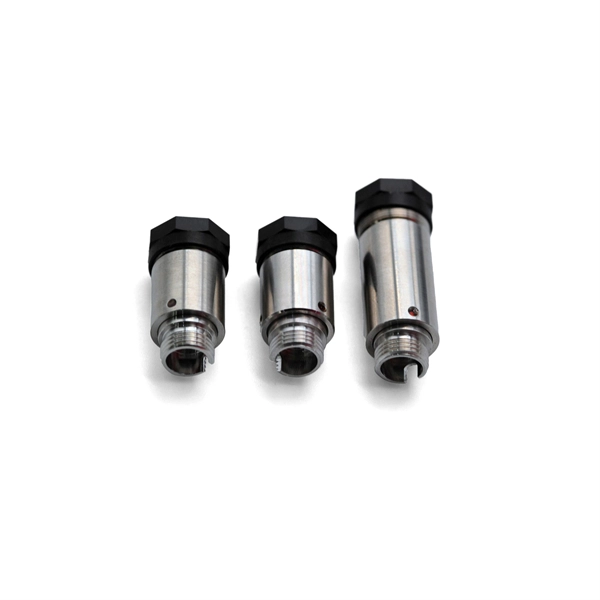
Telecommunication site power supply systems are intelligently designed for use in smart buildings
Multi-energy complementary systems combine communication power, photovoltaic generation, and energy storage within telecom cabinets. The new Site Energy Orchestration solution from Ericsson acts as an intelligent bridge between the radio access network (RAN) and power grids...
[PDF Version]
-
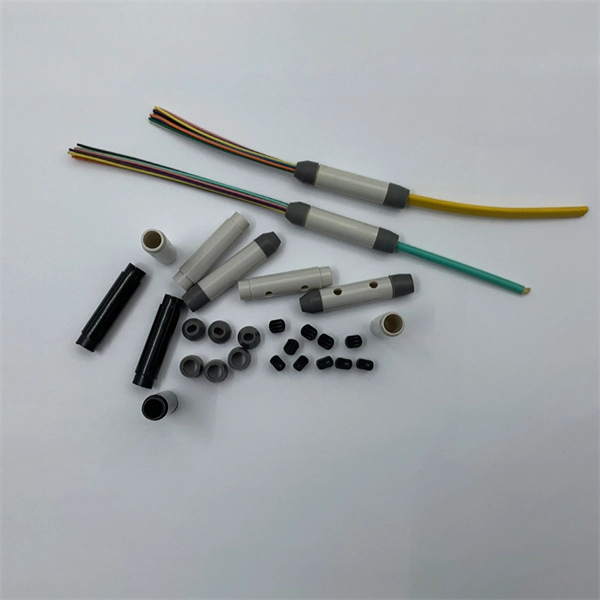
Metal cable tray wall thickness
Light-duty applications, such as LAN or control wiring in commercial spaces, may require trays with 1. The thickness of the tray depends on how frequently it is supported. In practice, cable tray dimensions are a system of interrelated measurements —width, depth, length, and...
[PDF Version]
-
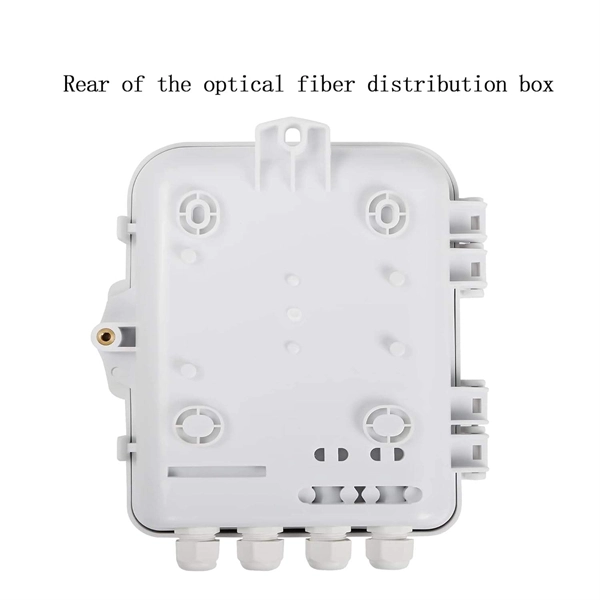
Electrical cable tray sleeves on the wall
This guide covers top wall-mounted cable trays and kits designed to route power and data cables behind walls or along the wall, keeping living spaces clean and organized. Each product below includes key features to help you compare options across materials, installation. This...
[PDF Version]
-
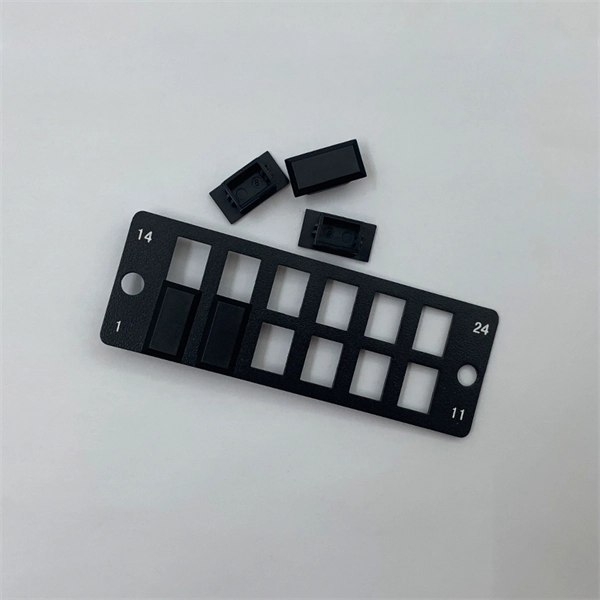
Standard distribution box wall thickness
According to national standards, the wall thickness of the low-voltage distribution box should not be less than 1. Typical wall-mount enclosure sizes often range from about 200 × 200 × 120 mm up to 800 × 600 × 300 mm. Freestanding cabinets commonly range from about 1600–2200...
[PDF Version]
Explore the next connection
- Installation method of high voltage switch busbar
- How to place twisted-pair cable trays
- AI Server Performance Improvement
- Kyrgyzstan Photovoltaic Complementary Lithium-ion Battery Energy Storage Cabinet
- How many megabits can a splitter support
- Essential for electrical distribution box projects
- Specifications and dimensions of fan-type outdoor cabinets
- Which is better a direct-fusion box or a terminal box
- Intelligent Devices for Home Distribution Boxes