
Protection Relays Explained Types Working Principle
Search optical fiber, connectivity, cable management and network infrastructure references.
-
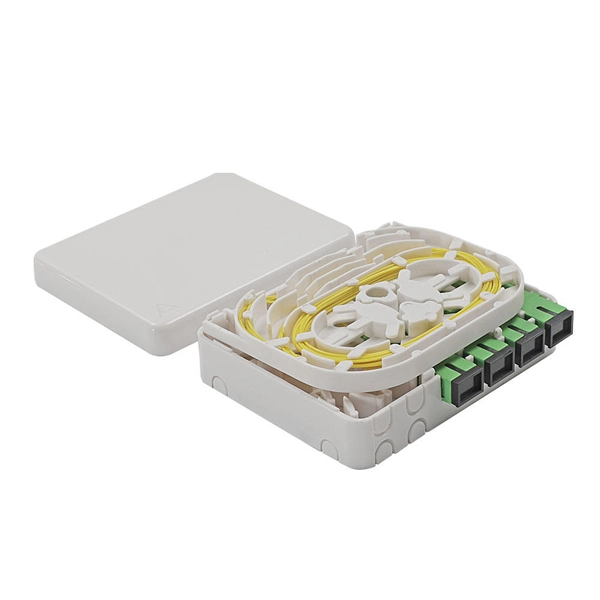
Working Principle of Relay Protection Devices
Protective Relay: Working, Types, and ApplicationsLearn about protective relays, their working principle, types, and applications in power systems. Discove.
[PDF Version]
-
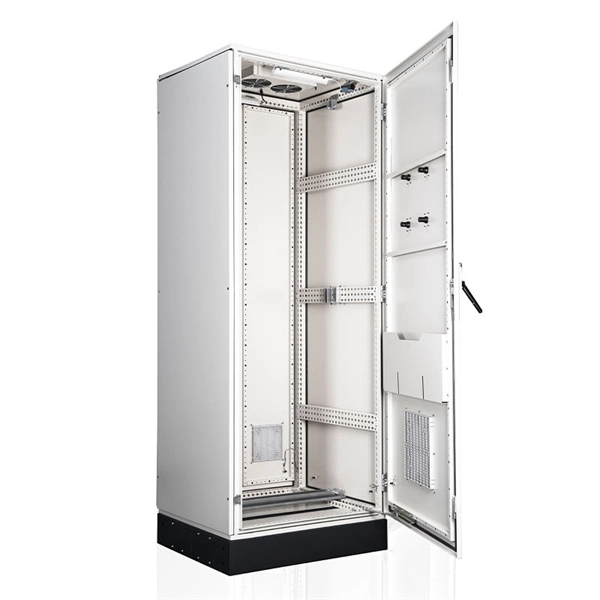
Working principle of waveguide array grating
Arrayed waveguide gratings (AWG) are commonly used as in (WDM) systems. These devices are capable of many into a single, thereby increasing the capacity of considerably. The devices are based on a fundamental principle of, which states that of different wavelengths linearly...
-
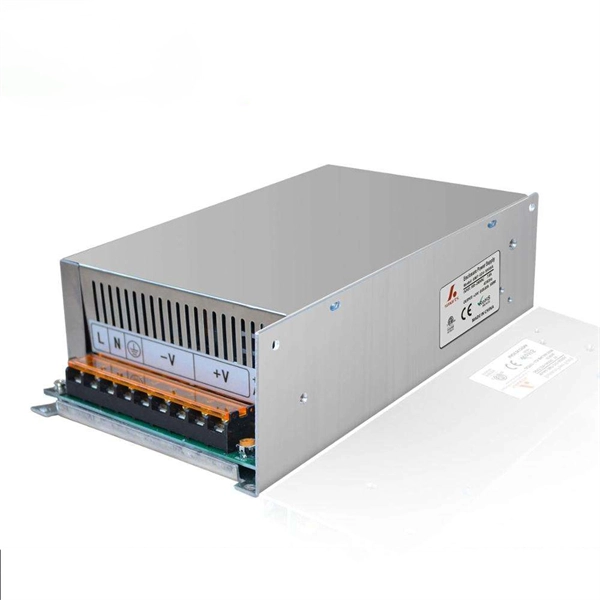
Working principle of single-fiber bidirectional optical fiber
Bidirectional (BiDi) Small Form-factor Pluggable transceivers utilize internal WDM diplexers to transmit and receive optical signals over a single strand of fiber using asymmetric wavelengths. By reading this blog, you will understand how SFP BiDi technology allows you to...
[PDF Version]
-

Transmission Relay Protection Principle
Differential Relay: Compares currents at two points; operates when there is a difference (used in transformers and generators). Its main purpose is to safeguard electrical equipment like transformers, generators, and transmission lines from damage due to. It covers the...
[PDF Version]
-
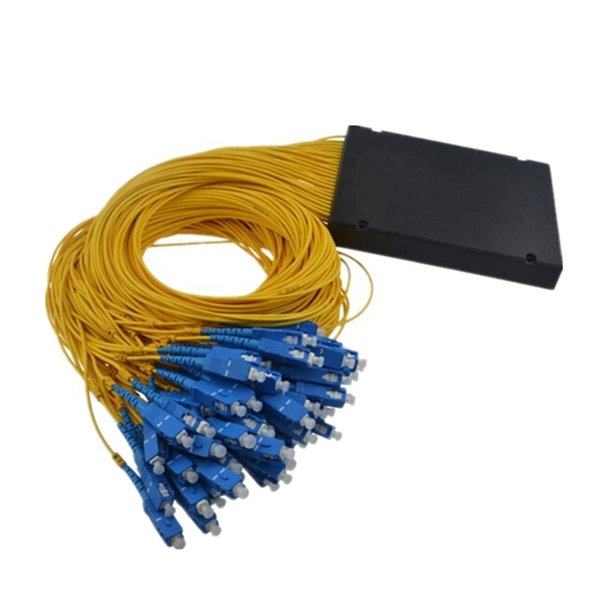
Principle of Electromagnetic Relay Protection Devices
Electromechanical protective relays operate by either magnetic attraction, or magnetic induction. Operation Principles: The working of electromagnetic relays involves principles like magnitude and. An electromagnetic relay is a type of electrically operated switch that plays...
-
Working principle of dual fiber optic collimator
The basic working principle is that the fiber's end face is placed at or near the focal point of a lens. Light exiting the fiber spreads out; if positioned correctly relative to the lens, the lens converts that diverging cone into a beam with minimal divergence (a collimated...