
Osnr Ber And Q Value
Search optical fiber, connectivity, cable management and network infrastructure references.
-
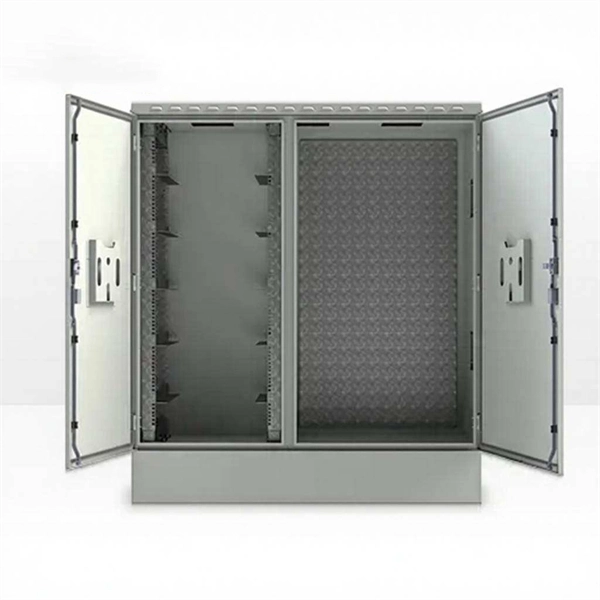
Optical receiver BER value
Minimum Receiver Power (sometimes referred to as Receiver Minimum Input Power) is the lowest level of optical power at which the module is guaranteed to operate without exceeding a specified bit error rate (typically BER ≤ 10⁻¹²). A commonly used criterion for digital optical...
[PDF Version]
-
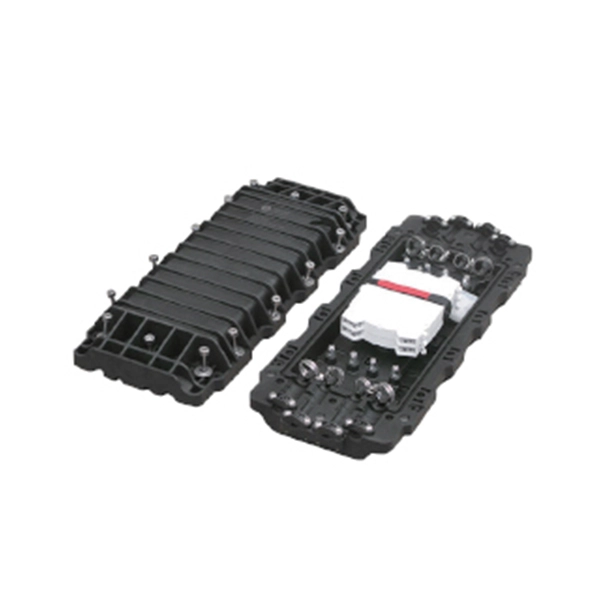
What is the normal dB value for light reception after changing the module
Receive power is normally expected between - 1 and -9. If either Tx or Rx is in the -30 dBm or lower range that's usually indicative of there being no actual signal received and the transceiver is reporting the "noise floor" of the receiver stage. Q1: What is a good dBm range...
[PDF Version]
-
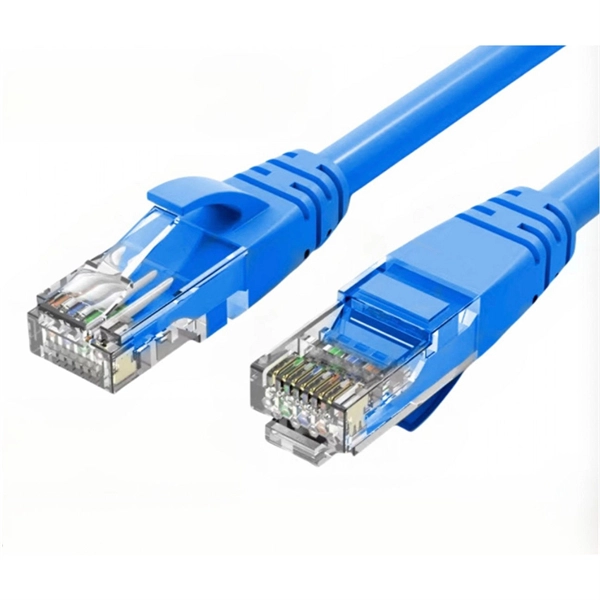
The Value of Fiber Fusion Trays
The current report is intended to examine the range of fiber optic splice tray solutions, including their significance in enhancing the profiling, performance, and, more importantly, reliability of fiber optic networks, including fiber fusion splicing models. The trays are...
-
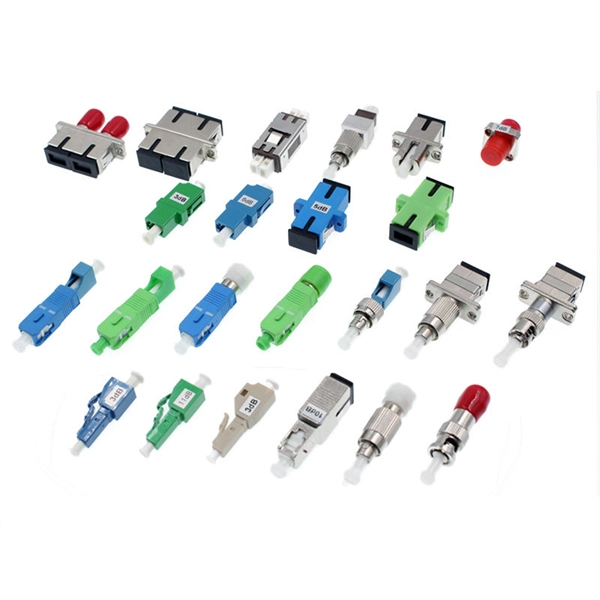
Hot aisle temperature alarm value for computer room
ASHRAE recommends IT equipment inlet temperatures no higher than 80. 6°F (27°C) for optimal operation. Hot aisle containment enables facilities to operate safely at higher setpoints within ASHRAE guidelines while maintaining equipment reliability. space, IT space, cold aisle...
[PDF Version]
-
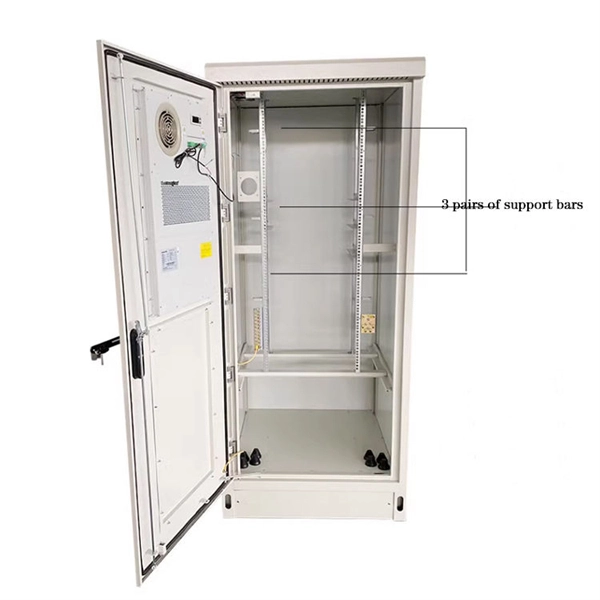
The optical fiber cable has a very high optical value
IOR The index of refraction (sometimes referred to as the refractive index or IOR) is an essential characteristic of an optical fiber because it plays a cr.
[PDF Version]
-
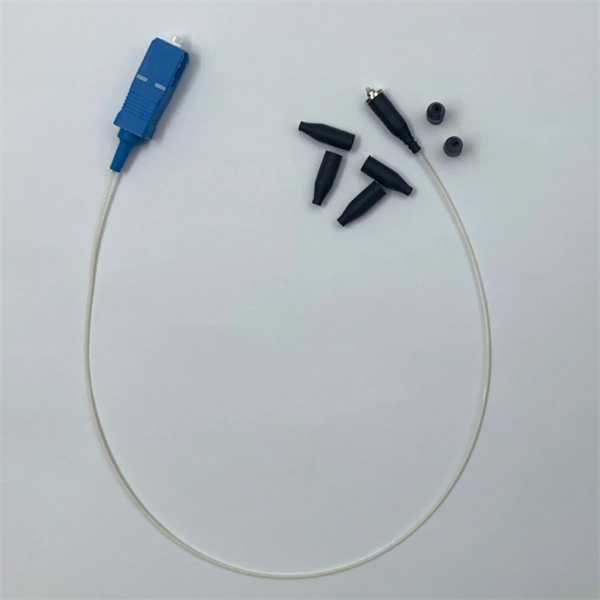
What is the normal input value for the optical module
Optical parameters This guide provides average transmit and receive power ranges for transceiver modules. Transceivers are manufactured to meet the specifi.
[PDF Version]
-

Resolution value of the beam splitter
In its most common form, a cube, a beam splitter is made from two triangular glass which are glued together at their base using polyester,, or urethane-based adhesives. (Before these synthetic, natural ones were used, e.g.) The thickness of the resin layer is adjusted such...