
Optically Multiplexed Systems Wavelength Division Multiplexing
Search optical fiber, connectivity, cable management and network infrastructure references.
-
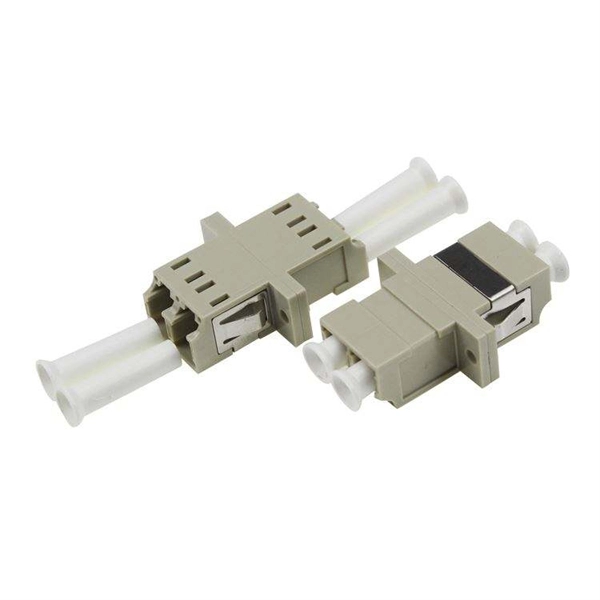
In optical wavelength division multiplexing systems
In fiber-optic communications, wavelength-division multiplexing (WDM) is a technology which multiplexes a number of optical carrier signals onto a single optical fiber by using different wavelengths (i. The "basie" transmission rate of SONET is 64 kbps for supporting voice...
-
Main Forms of Wavelength Division Multiplexing Systems
Wavelength Division Multiplexing It details the two main standards: coarse WDM (CWDM), with few channels and wide spacing for applications like metropolita.
[PDF Version]
-
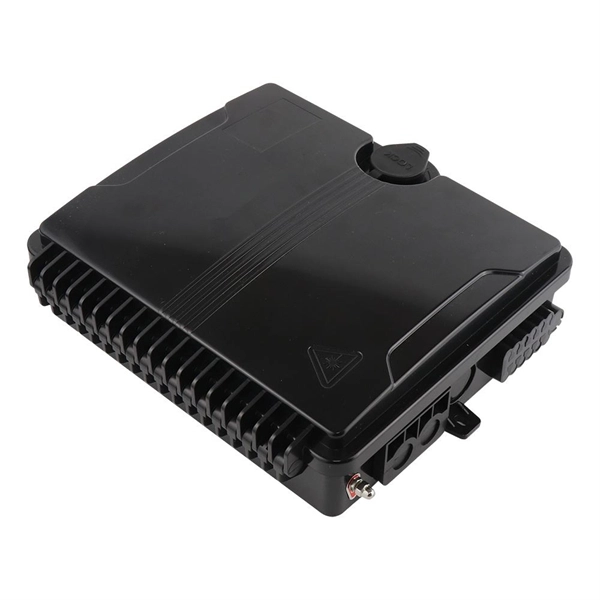
Wavelength Division Multiplexing Principle word
In fiber-optic communications, wavelength-division multiplexing (WDM) is a technology which multiplexes a number of optical carrier signals onto a single optical fiber by using different wavelengths (i. WDM allows communication in both the directions in the fiber cable. The...
-
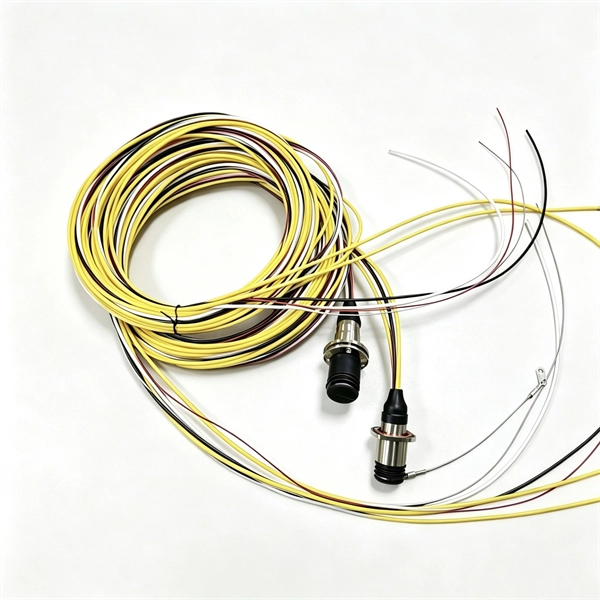
Wavelength Division Multiplexing Equipment Losses
Wavelength multiplexers can be used in submarine cables, to extend the lifetime of fiber cables, and reduce the cost of all land-based long distance communications links.
-
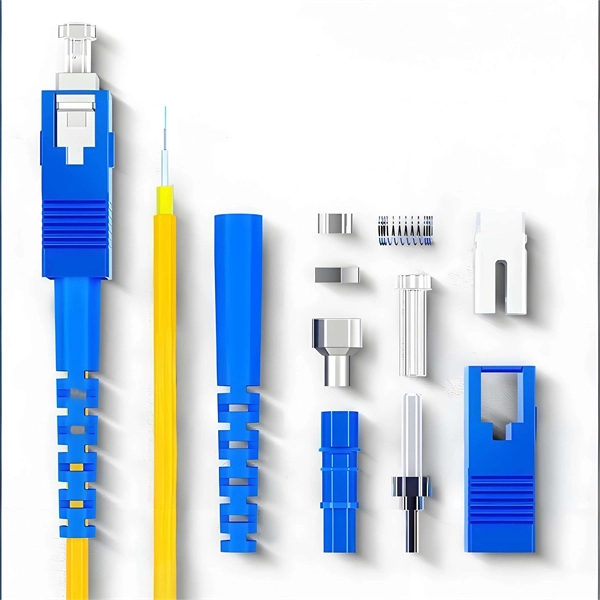
L-band optical transmission wavelength division multiplexing
Dense wavelength-division multiplexing (DWDM) refers originally to optical signals multiplexed within the 1550 nm band so as to leverage the capabilities (and cost) of EDFAs, which are effective for wavelengths between approximately 1525–1565 nm (C band), or 1570–1610 nm (L...
[PDF Version]
-
Dense Wavelength Division Multiplexing Wavelength Table
Dense wavelength-division multiplexing (DWDM) refers originally to optical signals multiplexed within the 1550 nm band so as to leverage the capabilities (and cost) of EDFAs, which are effective for wavelengths between approximately 1525–1565 nm (C band), or 1570–1610 nm (L...
[PDF Version]