
What does an optical transceiver do?
Optical modules are mainly packaged by optoelectronic devices TOSA/ROSA, functional circuits and optoelectronic interface components. The optical t...
Search optical fiber, connectivity, cable management and network infrastructure references.
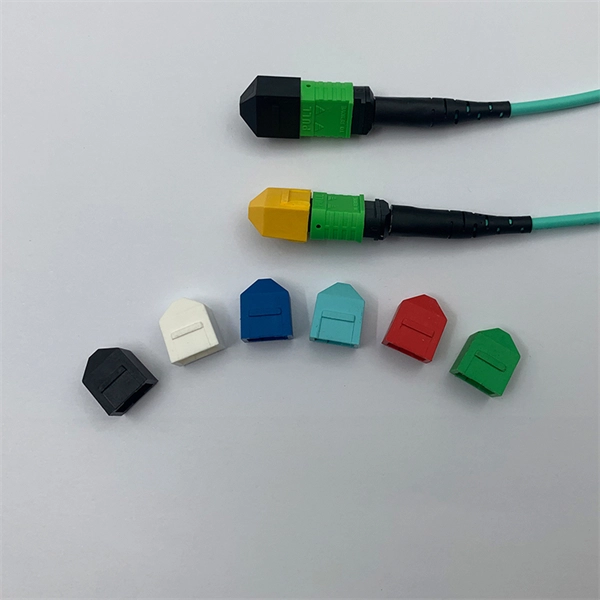
An SFP (Small Form-factor Pluggable) is a compact, hot-pluggable transceiver module that allows networking equipment — including switches, routers, servers, and media converters — to support different physical media, such as optical fiber or copper, without replacing the...
[PDF Version]
High-speed transmission: DAC data cables typically support data transfer rates up to tens of Gbps, offering faster bandwidth and transmission speeds compared to traditional copper and fiber optic cables. High-speed 40G QSFP+ DAC cables and QSFP+ optical modules can be used as...
[PDF Version]
40G to 400G modules powering data center spine-leaf fabrics and hyperscale backbone connections. MSA-compliant and pre-coded for Cisco Nexus, Arista, Juniper QFX/MX, Huawei CE, and Dell platforms. High-speed QSFP+, QSFP28, and QSFP-DD optical transceivers for 40G, 100G, 200G...
[PDF Version]
This guide provides a systematic selection process to help you choose the right QSFP28 module every time. The correct choice depends on matching fiber type, reach distance, switch compatibility, power budget, breakout requirements, and overall architecture. Below, you will...
[PDF Version]
At the heart of every optical transceiver lie three essential components, often called the “Three Pillars” of optical communication: Laser — generates light. Modulator — encodes data onto the light. Understanding the working principle of optical modules—especially SFP...
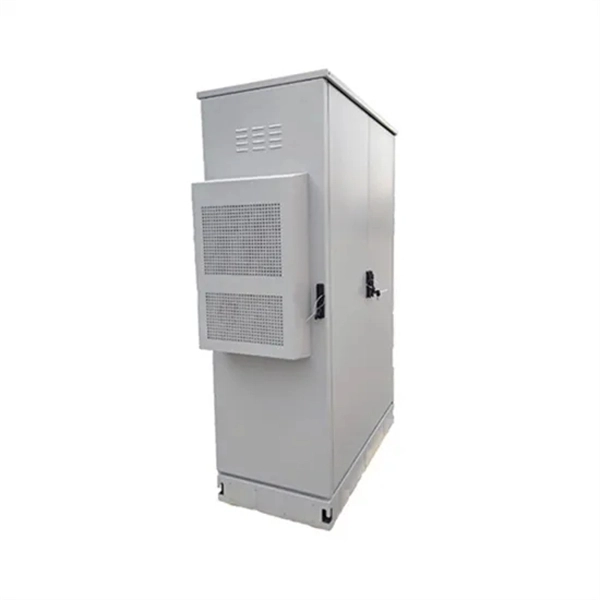
Top 10 Optical Transceiver Manufacturers in the World (2026)Sourcing optics for your data center? Discover the top 10 optical transceiver manufacturers in.
[PDF Version]Optical modules are mainly packaged by optoelectronic devices TOSA/ROSA, functional circuits and optoelectronic interface components. The optical t...
The upstream industry of optical modules mainly includes optical chips, optical components and optical devices, and the downstream industry mainly...
Lorem ipsum dolor sit amet, consectetur adipiscing elit. Ut elit tellus, luctus nec ullamcorper mattis, pulvinar dapibus leo.
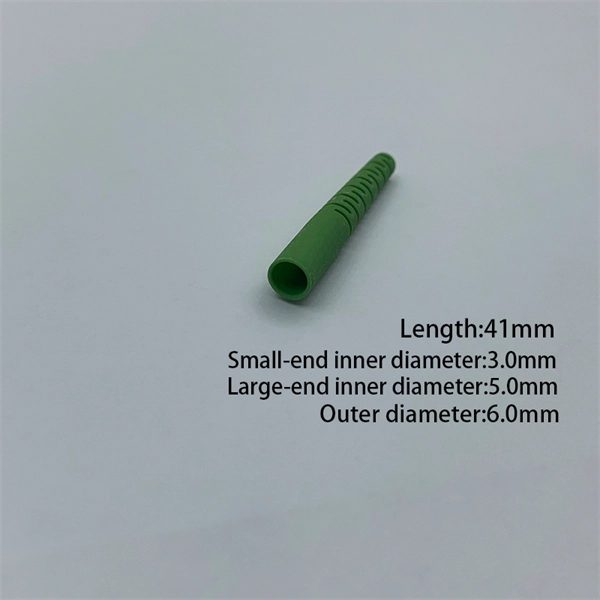
This optical module speed guide covers transceiver speeds from 1G to 400G, offering technical details, deployment scenarios, and decision criteria to help select the right modules for your network. Optical modules are critical components in modern communication systems...
[PDF Version]Share the fiber interfaces, termination capacity, cable route and evidence required for handover.