
Optical Line Terminals Selection Guide Types
Search optical fiber, connectivity, cable management and network infrastructure references.
-
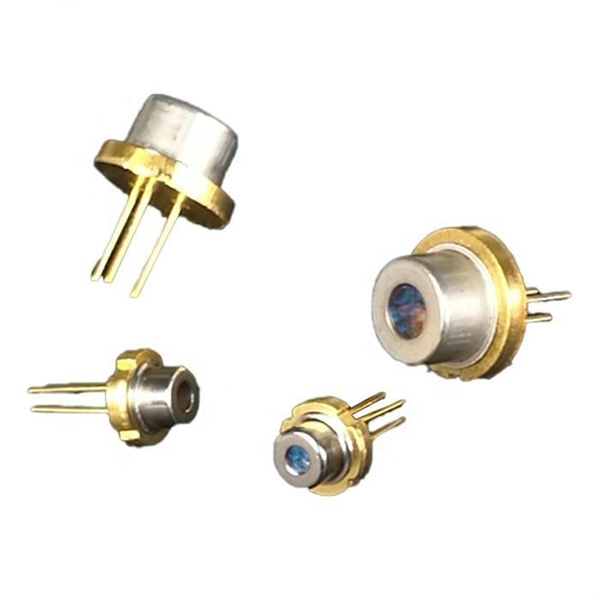
Selection Guide for 100G Power Network-Grade OLT Optical Line Terminals
Complete OLT buying guide covering GPON/EPON/XGS-PON standards, port density calculation, brand comparison (Huawei, ZTE, FiberHome, VSOL), and deployment tips for ISPs and network operators. What is an OLT and Why Does It Matter? An Optical Line Terminal (OLT) is the core...
-
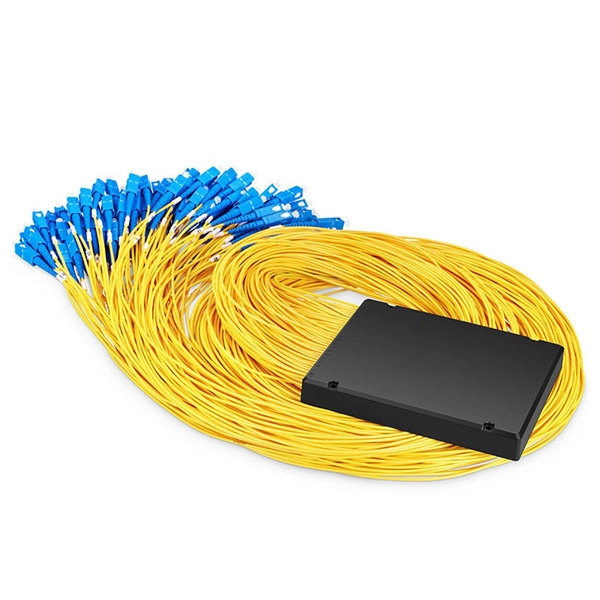
Optical Coupler Selection Guide
When specifying optical couplers you should consider the fiber optic cable, the coupler type, signal wavelength, number of inputs and outputs, as well as insertion loss, splitting ratio, and polarization dependent loss (PDL). The device allows the transmission of light waves...
[PDF Version]
-

Aerospace-grade QSFP28 optical module SFP selection guide
This guide provides a systematic selection process to help you choose the right QSFP28 module every time. The correct choice depends on matching fiber type, reach distance, switch compatibility, power budget, breakout requirements, and overall architecture. Below, you will...
[PDF Version]
-
Metropolitan Area Network Grade Optical Module QSFP-DD Selection Guide
The guide serves as an all-inclusive 400G QSFP-DD module type reference. The module specifications and fiber requirements and breakout capabilities and power profiles will be presented to you. The optics used MPO-16 interfaces, while the existing patch panels were built for...
[PDF Version]
-
Selection Guide for Island-Grade Coherent Optical Modules SFP
Selection Guide for Island-Grade LPO Optical Modules QSFP28A practical, engineer-friendly guide to choosing the right transceiver form factor by speed, por.
[PDF Version]
-
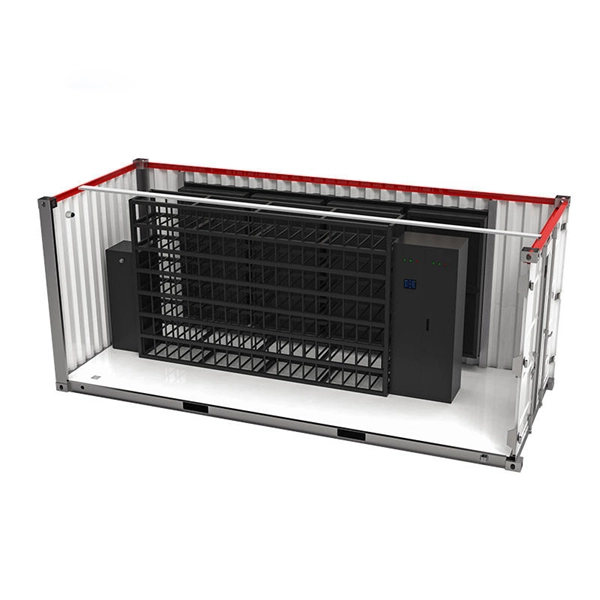
San Marino purchases SFP optical line terminals
Small Form-factor Pluggable (SFP) is a compact, network interface module format used for both and applications. An SFP interface on is a modular slot for a media-specific, such as for a or a copper cable. The advantage of using SFPs compared to fixed interfaces (e.g. in ) is t.