
Optical Fiber Sensors Working Principle Applications
Search optical fiber, connectivity, cable management and network infrastructure references.
-

Working principle of single-fiber bidirectional optical fiber
Bidirectional (BiDi) Small Form-factor Pluggable transceivers utilize internal WDM diplexers to transmit and receive optical signals over a single strand of fiber using asymmetric wavelengths. By reading this blog, you will understand how SFP BiDi technology allows you to...
[PDF Version]
-
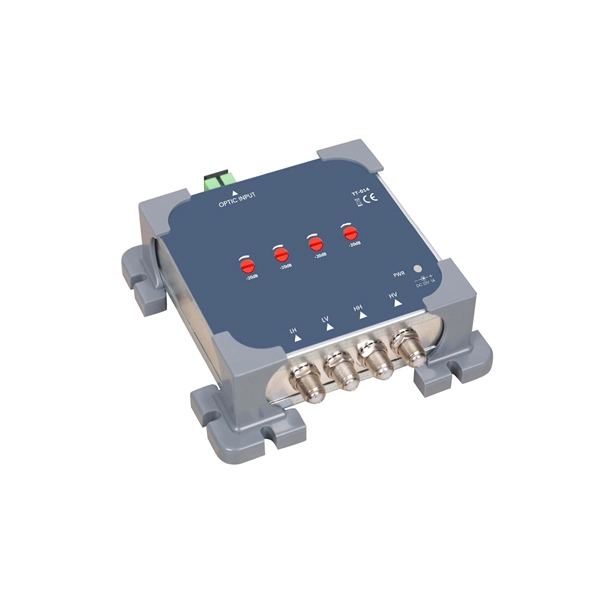
Working principle of fiber optic wireless sensors
Optical Fiber Sensors and Sensing Networks: Overview of the MainIn this work, we identified several areas of potential future developments, namely optical.
[PDF Version]
-
Working principle of dual fiber optic collimator
The basic working principle is that the fiber's end face is placed at or near the focal point of a lens. Light exiting the fiber spreads out; if positioned correctly relative to the lens, the lens converts that diverging cone into a beam with minimal divergence (a collimated...
-
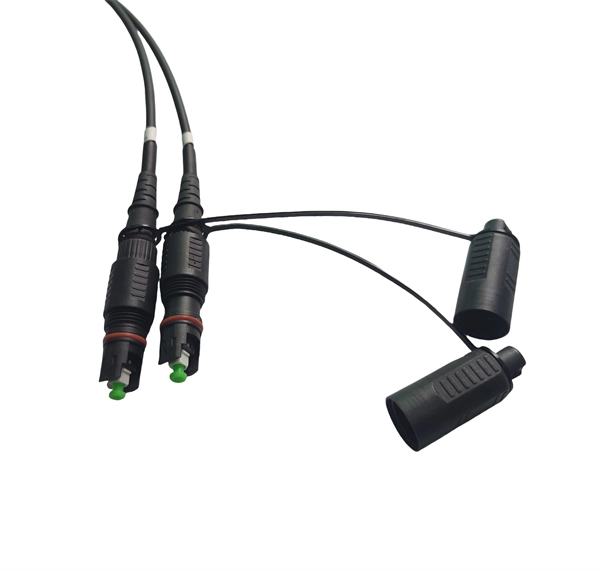
Working principle of fiber optic flow velocity sensor
The fiber optic sensor system uses two fiber ferrule sensors that are bonded on either side of a cantilever beam to measure the flow rate by monitoring the air-gap changes caused by the bending of the cantilever beam. It's a device that converts light rays into electronic...
[PDF Version]
-
Working Principle of Integrated Transceiver Optical Module
At the heart of every optical transceiver lie three essential components, often called the “Three Pillars” of optical communication: Laser — generates light. Modulator — encodes data onto the light. Understanding the working principle of optical modules—especially SFP...
-
Principle of 10 kV Optical Fiber Communication Cable
Fibre-optic communication involves transmitting a signal as light, converting electrical signals to optical signals at the transmitter end and reversing the process at the receiver end. Light acts as a carrier wave and can be modulated to carry information. They are simple to...
[PDF Version]