
Optical Fiber In Cloud Computing And Data Centers
Search optical fiber, connectivity, cable management and network infrastructure references.
-
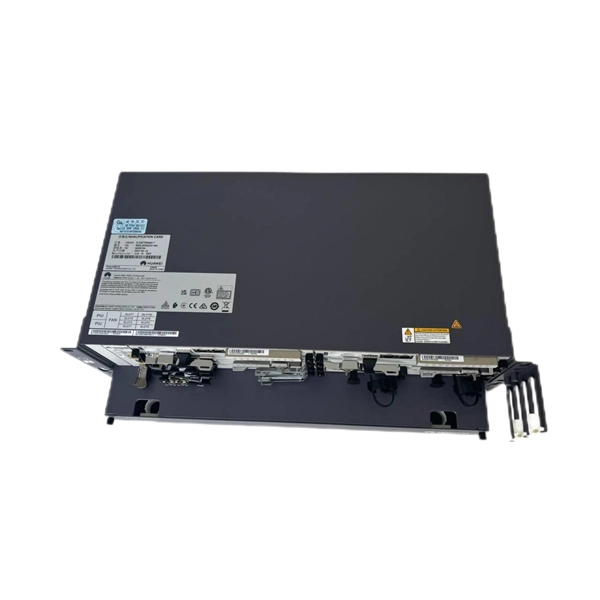
Multimode Delay Comparison of Cloud Computing Using Butterfly-Type Optical Cables
Multi-mode optical fiber is a type of mostly used for communication over short distances, such as within a building or on a campus. Multi-mode links can be used for data rates up to 800 Gbit/s. Multi-mode fiber has a fairly large core diameter that enables multiple light to...
-
Optical cable clamp for cloud computing IP54
● The large opening allows for wiring cables with connectors. ● The case is made of flame-retardant resin (UL94. Fiber cable clamp is a key component in fiber optic communication systems that secures and protects fiber optic cables. These clamps are essential in maintaining...
[PDF Version]
-
What is a cloud computing optical module
An optical module is a small device that moves data using light. It changes electrical signals into light signals and back again. This helps data travel faster and farther than with copper cables. As AI model training and inference scale to thousands of GPUs, traditional...
-
Fiber distribution box for fixing optical cables
The fiber distribution box, also known as the optical fiber termination box, is a critical component in fiber optic networks. It acts as a central point for terminating, splicing, and distributing these cables, providing necessary protection and. Fiber distribution box is...
[PDF Version]
-
Optical fiber cables have high reflectivity
Fiber optic cables use total internal reflection to keep light signals bouncing within the core, allowing data to travel quickly and with minimal loss. Reflectance (which has also been called "back reflection" or optical return loss) of a connection is the amount of light...
-
Do both ends of the optical fiber in a splitter need to be used
These passive devices split an input optical signal into two or more output paths, allowing the signal to be transmitted to different terminals. They have been used since the 1980s to create networks and provide the technology for today's passive optical networks used in...
[PDF Version]