
Optical Cable Distribution Efficient How To Guide
Search optical fiber, connectivity, cable management and network infrastructure references.
-
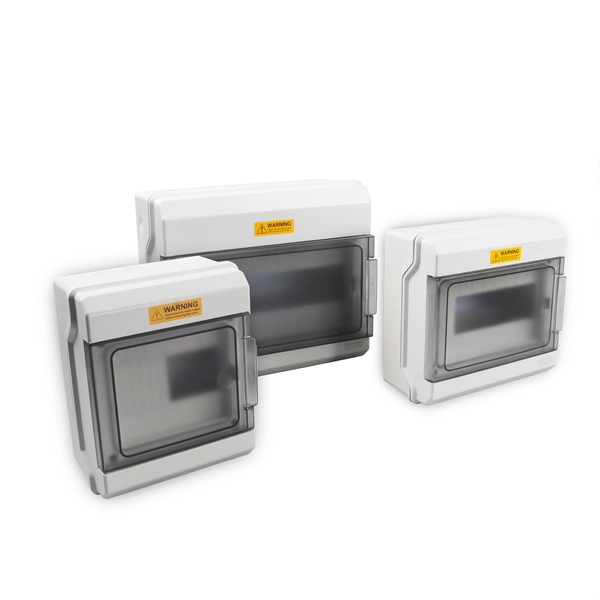
How high is the optical fiber distribution box above the ground
The location should be in a dry, ventilated, and anti-corrosion place, and the height should be no less than 1. (The specific height can be adjusted according to the actual situation, for example, the height of the bottom of the indoor installation should be 1. 5m. The fiber...
[PDF Version]
-
How to fuse optical fibers in an optical fiber distribution box
Learn how to splice fiber optic cable using fusion splicing with this complete step-by-step guide. Includes tools, best practices, loss standards (ITU-T G. 652), cost analysis, and FAQs for network engineers and installers. Fusion Splicing means securely connecting two...
[PDF Version]
-
How to read the markings from optical cable manufacturers
Here is the most important information: 864F means the cable contains 864 fibersSM means singlemode fiber250 means the fiber has a 250 micron buffer coating0. We brought the cable back to our office with the intention of opening it. In order to ensure proper installation...
[PDF Version]
-
How much does a meter of 1-core indoor optical fiber cable cost
In general, fiber optic cable price can vary from $0. Commercial building installations with 100-200 network drops generally range from $15,000 to $30,000. Single-mode fiber costs less per foot than multimode fiber, but it requires more. Single-mode fiber (OS2): This is the...
[PDF Version]
-
How to calculate the increased length of optical cable laid in an S-shape
GIS Length + Slack Loop Length — This method takes the length of the cable as drawn in the GIS and adds any length stored in slack loops, risers, or other point features that represent additional cable. This Applications Engineering Note (AE Note) addresses estimating cable...
[PDF Version]
-
How many meters of directly buried optical cable are needed for a connector
The International Telecommunication Union (ITU) and Institute of Electrical and Electronics Engineers (IEEE) recommend a minimum depth of 0. 6 meters for urban areas and 1. 0 meters for rural or agricultural zones to protect against frost, plows, and erosion. 101 describes...
[PDF Version]