
Mcap Assemblies Optical Fibers Cables Modules
Search optical fiber, connectivity, cable management and network infrastructure references.
-
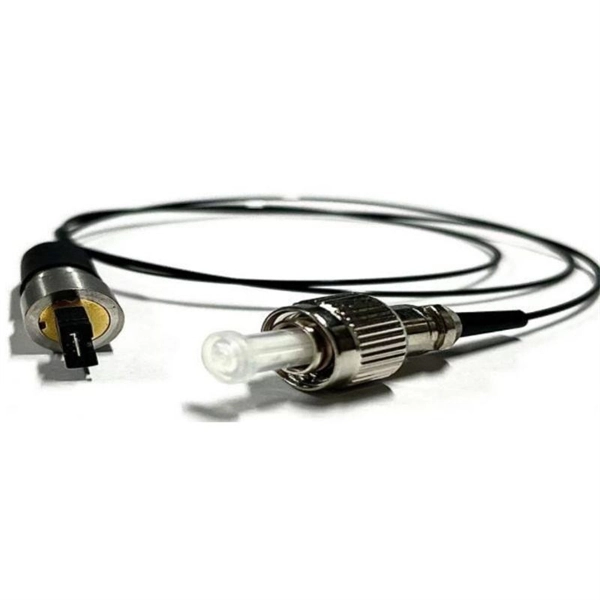
Low-voltage cables and optical fibers buried distance
Bury cables from 12-36 inches (or 30-90 cm) deep. Where plant life, sidewalks, and other utilities already disrupt earth, it's safer to bury at as little as 24 inches or 60 cm, using protective conduits to limit the likelihood of damaged cables by inexperienced maintenance...
[PDF Version]
-
Classification of Communication Cables and Optical Fibers
Fiber optic cables fall into two main categories: single-mode fiber (SMF) and multimode fiber (MMF), each designed for specific transmission requirements. Single-mode fiber (SMF) features an extremely thin core layer measuring 8-9µm in diameter. Transmits multiple light...
[PDF Version]
-
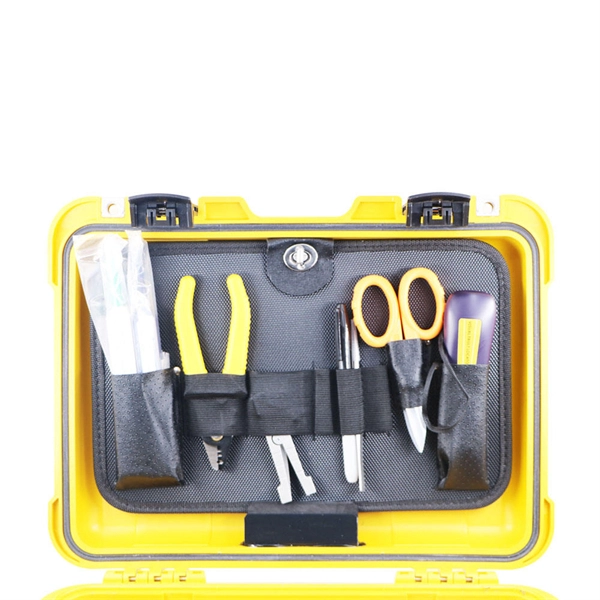
Withstand voltage between cables and optical fibers
Optical Fiber Cable Design & Reliability What standards are applicable for cable and fiber? What tests are done to ensure the cable design is robust? Early.
[PDF Version]
-
How to select optical cables and optical fibers
How to Choose the Right Fiber Optic Cable: A This comprehensive guide will walk you through the essential factors to consider when selecting fiber optic ca.
[PDF Version]
-
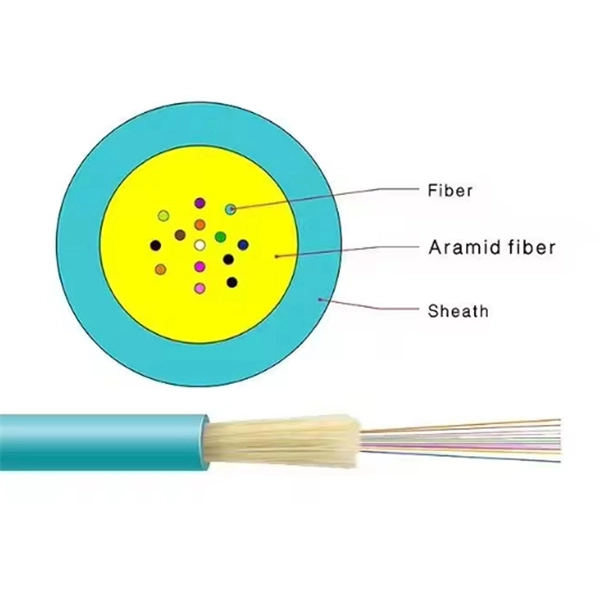
Indoor optical cables are optical cables laid inside buildings
Indoor optical cable is a fiber optic cable laid inside buildings, mainly used for communication equipment, computers, switches, and end-user devices in buildings to transmit information. As our reliance on fast, reliable internet connectivity grows, so does the importance...
-
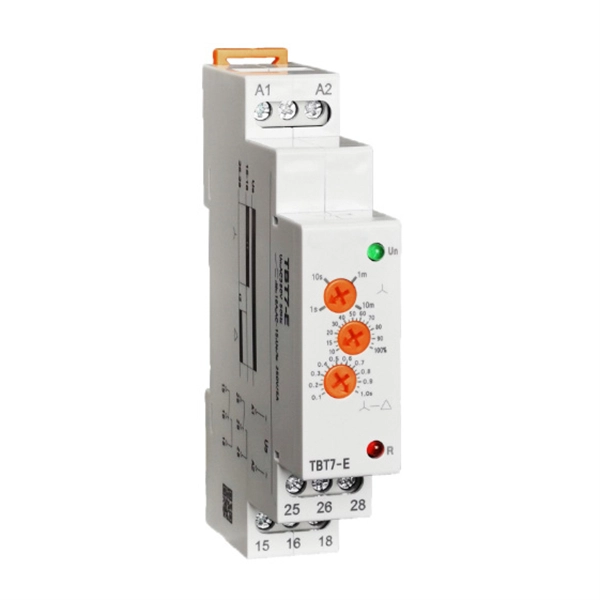
Fiber distribution box for fixing optical cables
The fiber distribution box, also known as the optical fiber termination box, is a critical component in fiber optic networks. It acts as a central point for terminating, splicing, and distributing these cables, providing necessary protection and. Fiber distribution box is...
[PDF Version]
-
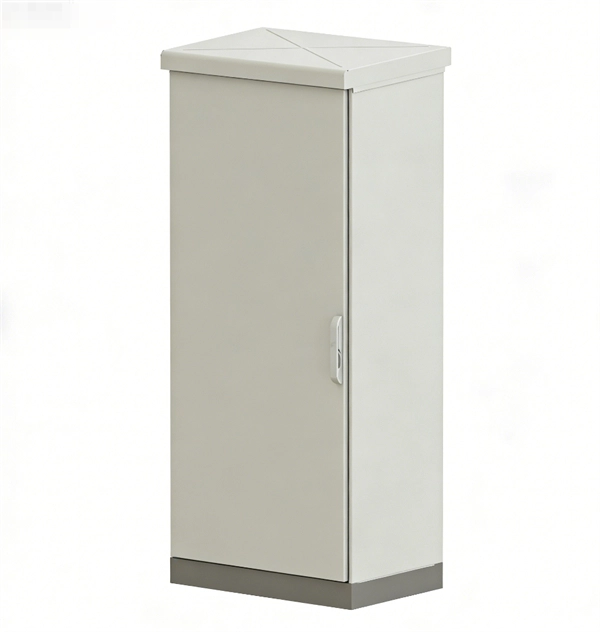
Optical fiber cables have high reflectivity
Fiber optic cables use total internal reflection to keep light signals bouncing within the core, allowing data to travel quickly and with minimal loss. Reflectance (which has also been called "back reflection" or optical return loss) of a connection is the amount of light...