
Mastering Cisco Optics Understanding Tx Rx Light Levels
Search optical fiber, connectivity, cable management and network infrastructure references.
-
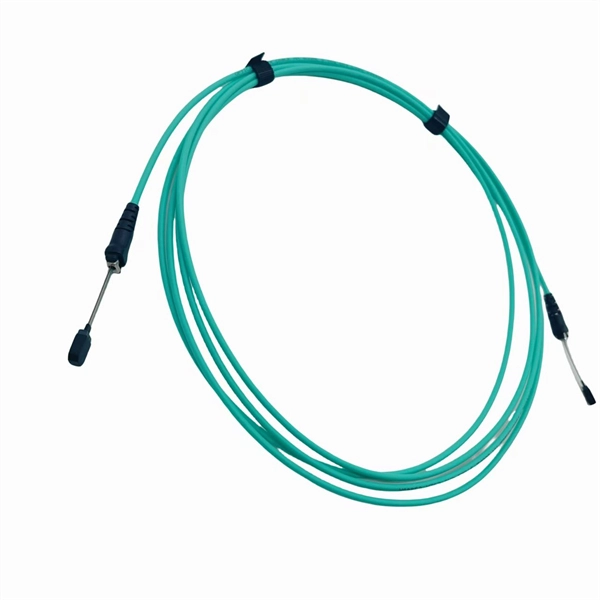
Do the TX and RX fiber optic switches need to be swapped
The two fibers are intentionally crossed inside the cable. Fiber is full-duplex, which means it always uses. Fiber polarity is the direction that light signals travel from one end of a fiber optic cable (link) to the other. A link's transmit signal (Tx) must match its...
[PDF Version]
-
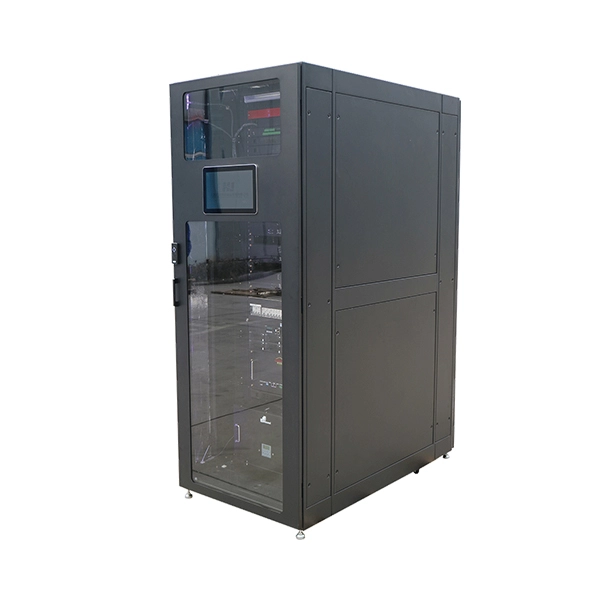
Understanding Garden Electrical Distribution Boxes
Outdoor power distribution boxes, also known as weatherproof power distribution boxes, are devices designed to distribute electrical power in outdoor settings. They are built to withstand harsh environmental conditions, including rain, dust, and extreme temperatures. It helps...
-
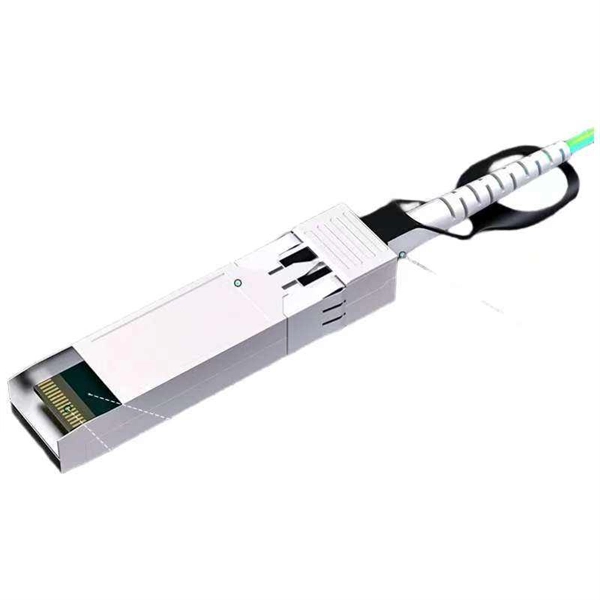
High-precision co-packaged optics for IoT
Co-Packaged Optics (CPO) is emerging as a transformative solution. By integrating optical engines closer to switch ASICs and GPUs through advanced packaging approaches such as 2. The AMICRA NANO is a cutting-edge die and flip-chip bonder, specifically engineered for the...
[PDF Version]
-
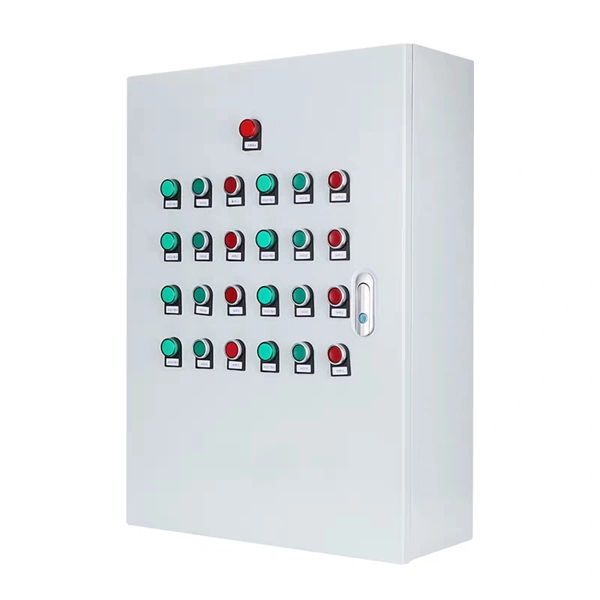
Understanding the Specifications and Models of Power Distribution Boxes
This guide explores control panels, electrical boxes, breaker panels, bus bars, junction boxes, and custom enclosures to help you understand their sizes, types, and common applications. Used in industrial automation and process control. Houses PLCs, relays . For procurement...
-
Fiber Optic Distribution Box for Fiber Optics
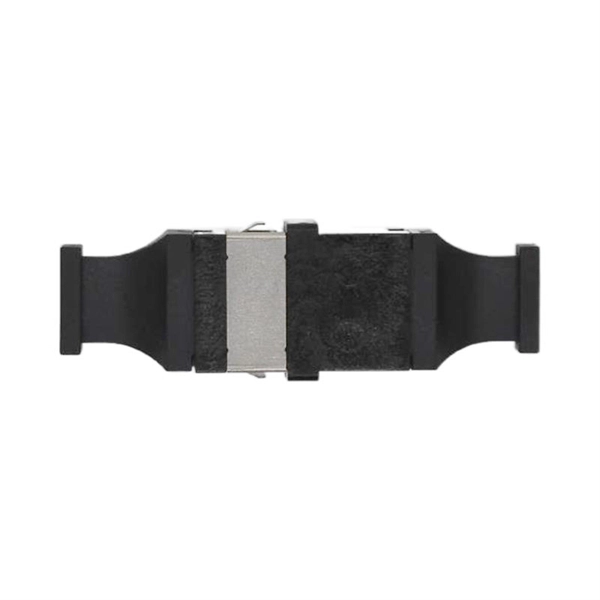
The fiber distribution box, also known as the optical fiber termination box, is a critical component in fiber optic networks. It acts as a central point for terminating, splicing, and distributing these cables. Fiber distribution box is suitable for the wiring connection of...
[PDF Version]
-
Transmitting single-mode signals via multimode fiber optics
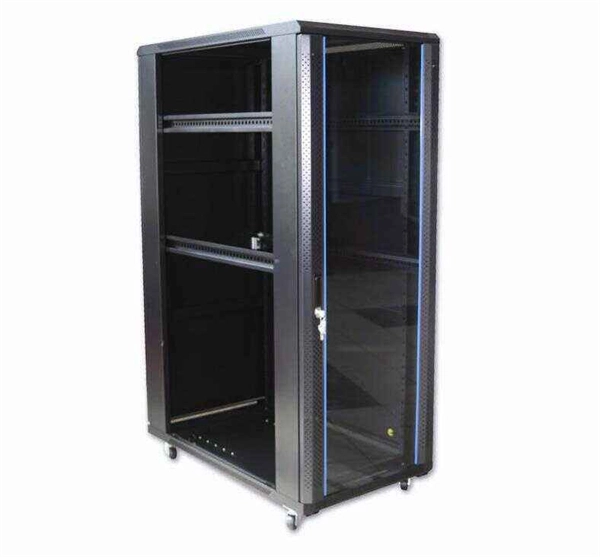
Multimode fiber cables are the type of fiber cables that transmit data via their core of larger diameters enable an average, single-mode transceiver multiple modes of light to propagate through it. These differences determine which transceivers work with which fiber and how...
-
Analysis of the Reasons for Fiber Optics Being Converted into Optical Cables
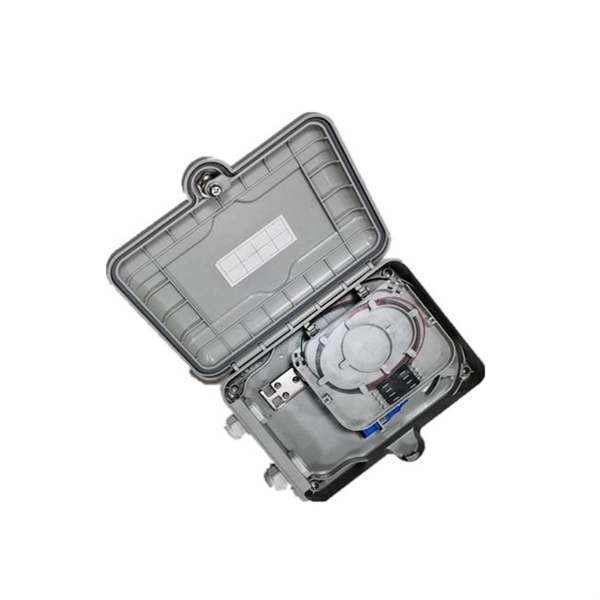
Modern fiber-optic communication systems generally include optical transmitters that convert electrical signals into optical signals, to carry the signal, optical amplifiers, and optical receivers to convert the signal back into an electrical signal. The information...