
How can one identify a broken fiber optic cable?
To identify a broken fiber optic cable, start by performing a visual inspection for any physical signs of damage, such as bends, cracks, or breaks...
Search optical fiber, connectivity, cable management and network infrastructure references.
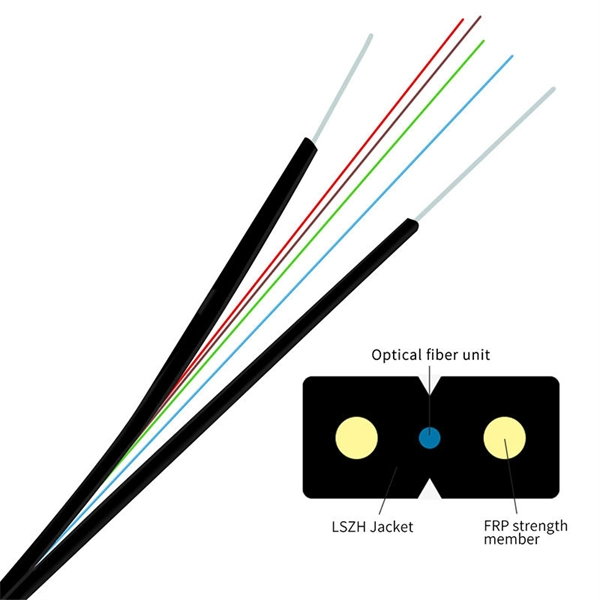
This document presents a troubleshooting guide for fiber optic cables once deployed and in regular use. It also includes a list of common fault location items. Maintenance personnel can refer to this docume.
[PDF Version]To identify a broken fiber optic cable, start by performing a visual inspection for any physical signs of damage, such as bends, cracks, or breaks...
There are several methods to test fiber optic cables without a tester. One method is using a visual fault locator (VFL), as mentioned earlier, to v...
Intermittent fiber optic connections can be caused by a variety of factors, including: Poorly terminated connectors or splices that result in unsta...
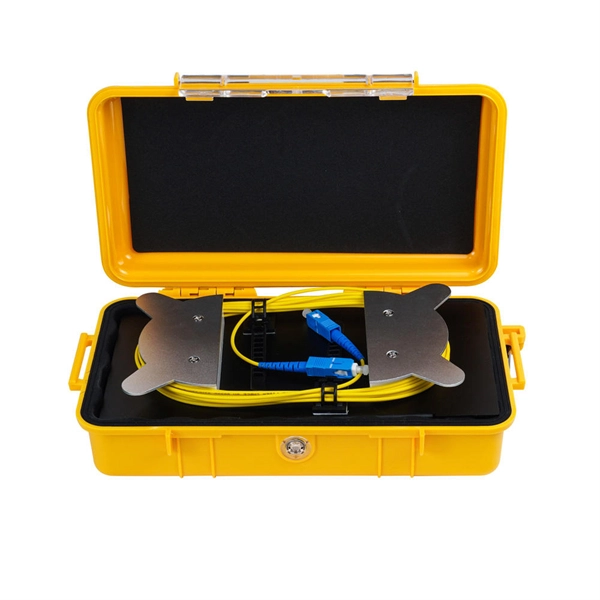
Although attenuation is significantly lower for optical fiber than for other media, it still occurs in both multimode and single-mode transmission. An efficient optical data link must have enough light available to overcome attenuation. A standard single-mode fiber operating...
[PDF Version]
Visual Fault Locator (VFL) testing is one of the most fundamental inspection methods used in FTTH, ODN, and data center environments. A VFL emits a visible red laser (typically 650 nm) that travels along the fiber core and leaks out at points of excessive loss, fiber breaks...
[PDF Version]
There are connectors designed for single mode and multimode fiber optic cables, which differ in core size, bandwidth, and optimal use cases as explained in this comprehensive guide to fiber optic cable.
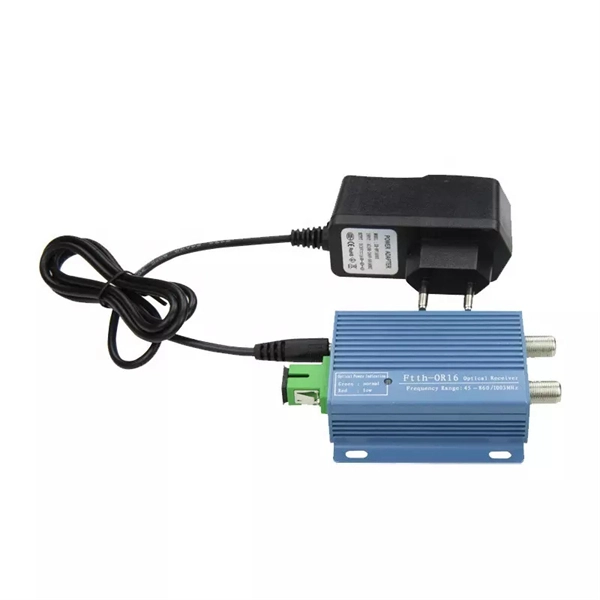
ADSS (All-Dielectric Self-Supporting) fiber cable is a robust, non-metallic optical cable designed for aerial installations without the need for a separate messenger wire. It consists of single-mode or multi-mode fibers housed in loose tubes made of high-modulus plastic...
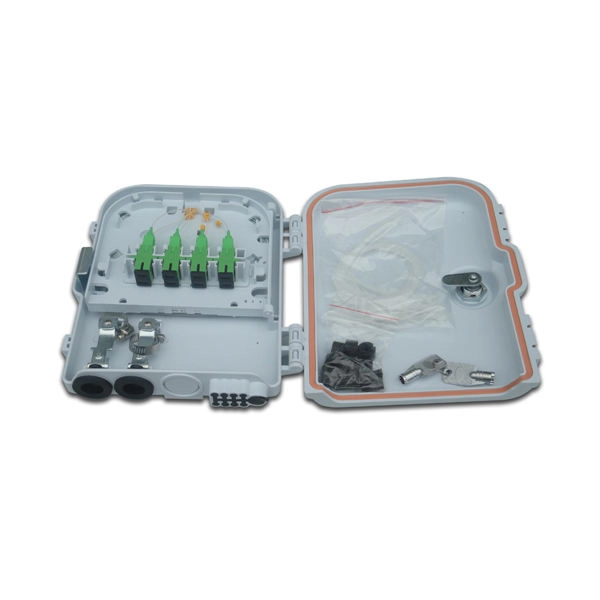
Wired IP installations commonly cost $125–$450-450 per camera installed, or $500–$1,600-1,600 for a 4-camera system. A 4-camera home system and a 32-camera warehouse system are fundamentally different projects with different budgets, different hardware requirements, and...
[PDF Version]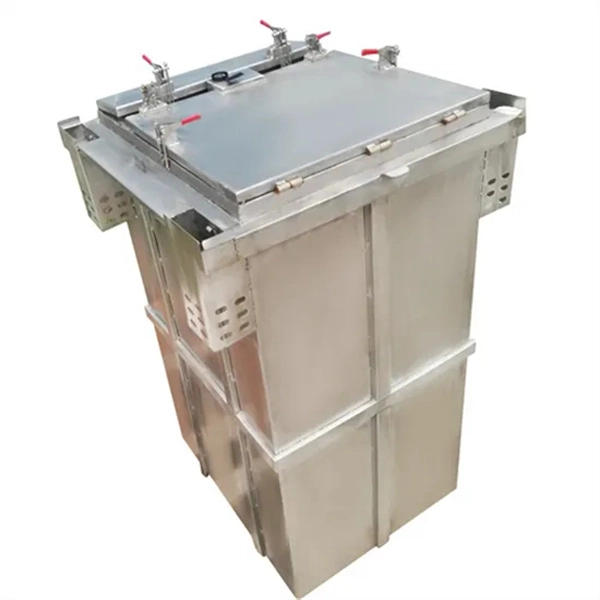
Lightning poses several significant risks to fiber optic cables and the networks they support: Cable Damage: A lightning strike can directly damage fiber optic cables, causing signal loss, equipment failure, or complete network outages. And this blog talks about the main...
Share the fiber interfaces, termination capacity, cable route and evidence required for handover.