
Laser Diodes Explained From Light Source To Everyday
Search optical fiber, connectivity, cable management and network infrastructure references.
-
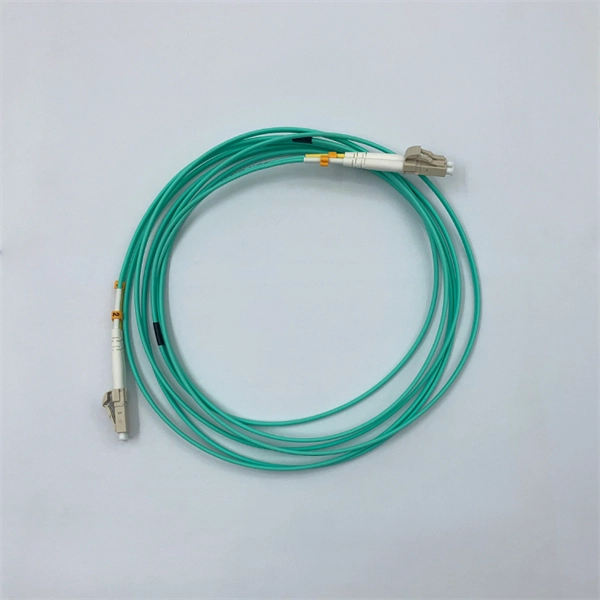
Red Laser Diode Light Source Model
Red laser diodes, based on, e., GaInP or AlGaInP quantum wells, are available with different output power levels, ranging from a few milliwatts (single emitters, VCSELs) to the order of 100 W from diode bars. Typical wavelengths are 635, 650 and 670 nm. The shorter...
[PDF Version]
-

Laser pointers only emit light from diodes
A laser pointer or laser pen is a (typically battery-powered) handheld device that uses a laser diode to emit a narrow low-power visible laser beam (i. coherent light) to highlight something of interest with a small bright colored spot. The beam may be focused with lenses...
-
Blue and Red Light from Laser Diodes
• 405 nm: blue-violet laser, in and drives• 445–465 nm: blue laser multimode diode for use in mercury-free high-brightness • 488 nm: green-blue laser; became widely available in mid-2018.
-
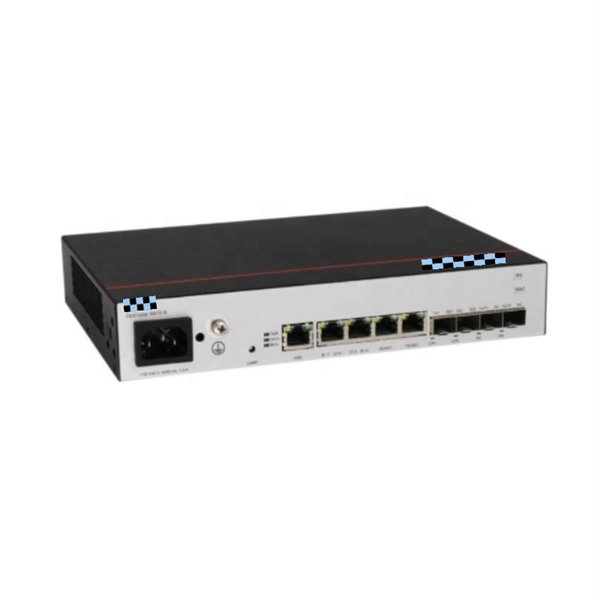
What are the reasons why diodes emit laser light
A laser diode is electrically a. The active region of the laser diode is in the intrinsic (I) region, and the carriers (electrons and holes) are pumped into that region from the N and P regions respectively. While initial diode laser research was conducted on simple P–N...
[PDF Version]
-
High Temperature Resistance of Red Light Source for Smart Cities
This study proposes the design and development of public light systems integrated with Internet of Things (IoT) applications for smart cities. Smart public lighting systems are designed using LED light so.
Explore the next connection
- Single-mode optical transceivers for multimode optical cables
- Broadcasting and Telecom Splitters Cannot Be Used
- Cable trays in basements and civil defense facilities
- Fiber Optic Cable Straight-Line Accessories
- Indoor power distribution box power strip
- Liechtenstein Active Optical Cable QSFP
- How to connect cable trays and wires in a basement
- What is the concept of optoelectronics-integrated semiconductors