
Industrial Gbe Fiber Sfp Optical Transceiver Module
Search optical fiber, connectivity, cable management and network infrastructure references.
-
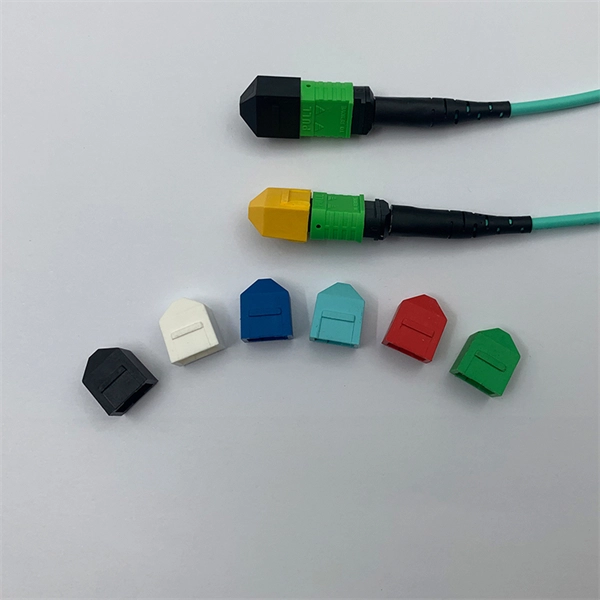
SFP optical module fiber optic transceiver
An SFP (Small Form-factor Pluggable) is a compact, hot-pluggable transceiver module that allows networking equipment — including switches, routers, servers, and media converters — to support different physical media, such as optical fiber or copper, without replacing the...
[PDF Version]
-

How to connect an SFP optical module to an optical fiber
To connect an optical cable to an SFP module, use the appropriate patch cord (e., LC-LC, SC-LC, etc. The patch cord must match the fibre type – single-mode or multi-mode. Once connected, verify that the port activity indicator is on and run diagnostic commands to check the...
[PDF Version]
-
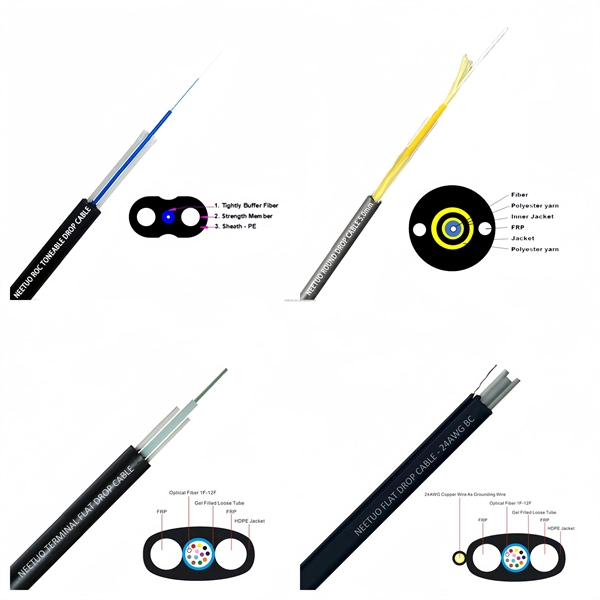
10G Optical Module Fiber Optic Transceiver
10G LR SFP+ optical transceiver module, support 10Gb/s and up to 10km transmission, It works in high-speed IDC connection solutions, 5G network front-haul solution, network switch, PTN, OTN, SONET OC-192 / SDH, 10G Fibre Channel and so on. The Cisco ® 10GBASE SFP+ modules...
-
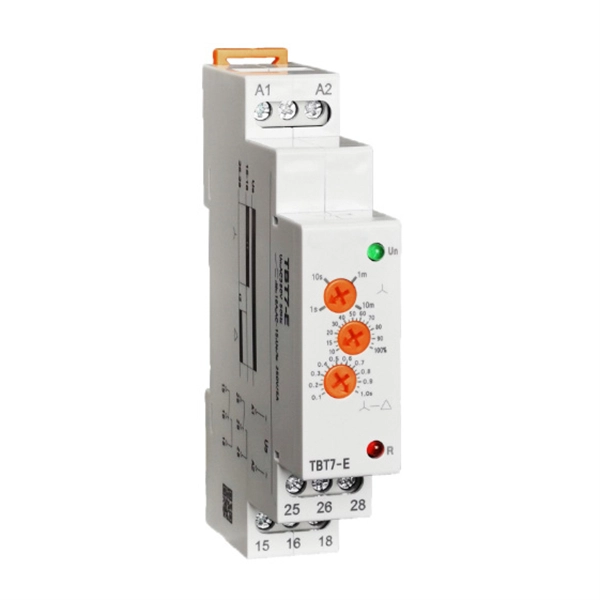
Fiber distribution box for fixing optical cables
The fiber distribution box, also known as the optical fiber termination box, is a critical component in fiber optic networks. It acts as a central point for terminating, splicing, and distributing these cables, providing necessary protection and. Fiber distribution box is...
[PDF Version]
-

Optical fiber cables have high reflectivity
Fiber optic cables use total internal reflection to keep light signals bouncing within the core, allowing data to travel quickly and with minimal loss. Reflectance (which has also been called "back reflection" or optical return loss) of a connection is the amount of light...
-
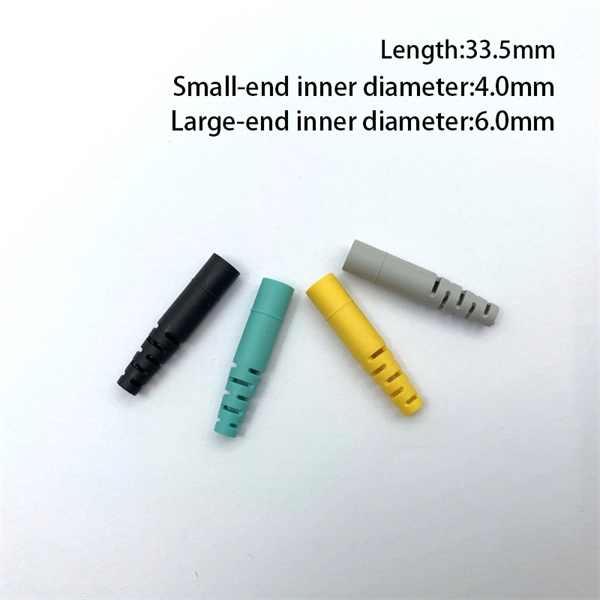
Do both ends of the optical fiber in a splitter need to be used
These passive devices split an input optical signal into two or more output paths, allowing the signal to be transmitted to different terminals. They have been used since the 1980s to create networks and provide the technology for today's passive optical networks used in...
[PDF Version]