
Indoor Vs Outdoor Fiber Optic Cables Key Differences Uses And
Search optical fiber, connectivity, cable management and network infrastructure references.
-
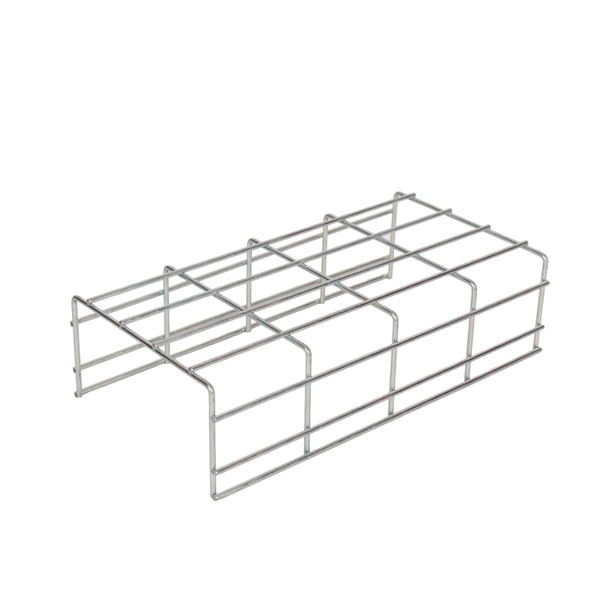
Do indoor fiber optic cables have a protective layer
Each individual fiber within the cable is tightly coated with a protective layer. This design offers increased flexibility and ease of termination, making tight-buffered cables suitable for use in premises, data centers, and indoor LAN applications. Fiber optic "cable" refers...
[PDF Version]
-
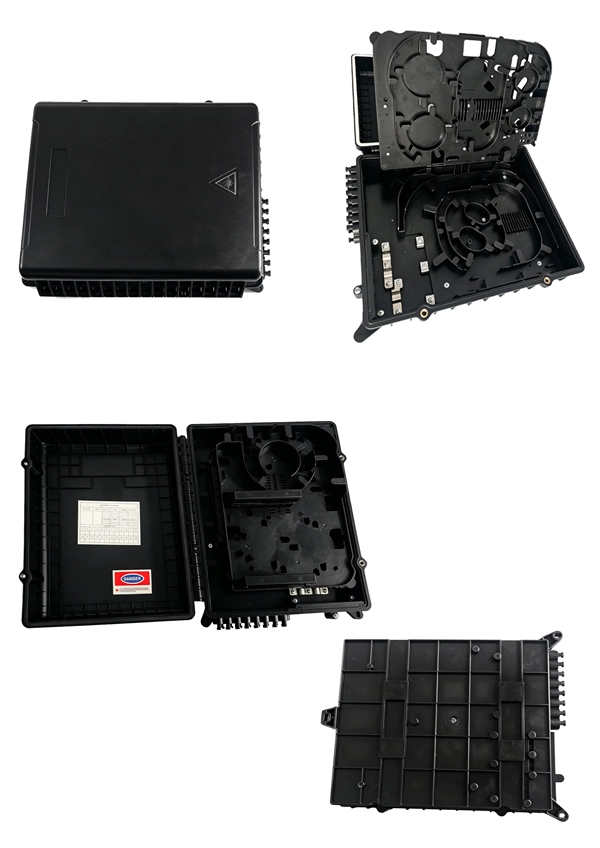
How to drill holes for outdoor fiber optic cables
Select a drill bit appropriate for the wall material and cable type: Wood Framing: Use a standard wood drill bit with a sharp point. Concrete Block: Use a masonry drill bit designed for concrete or brick. Brick: Use a specialized diamond-tipped drill bit for brick or...
[PDF Version]
-
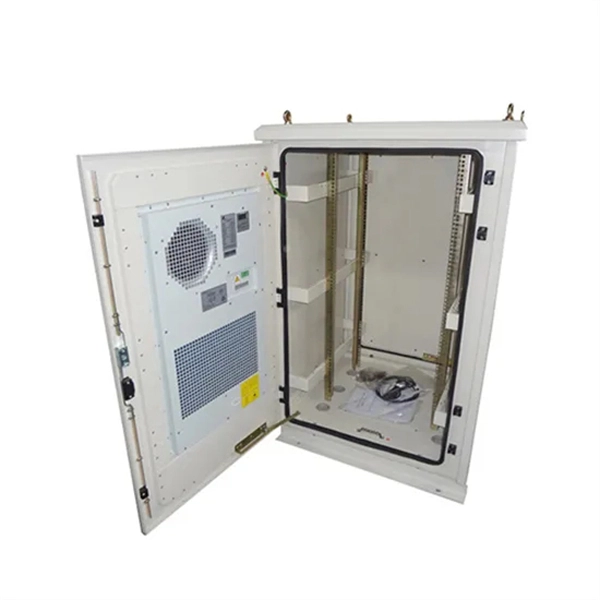
Do outdoor armored fiber optic cables still need to be run through conduits
Do I need conduit with armoured fibre? Not always — direct burial is common, though conduit adds extra protection. Outdoor fiber optic cable has rugged jackets, gel-filled or water-blocking layers, and armor to resist moisture, rodents, and temperature swings. You install...
-
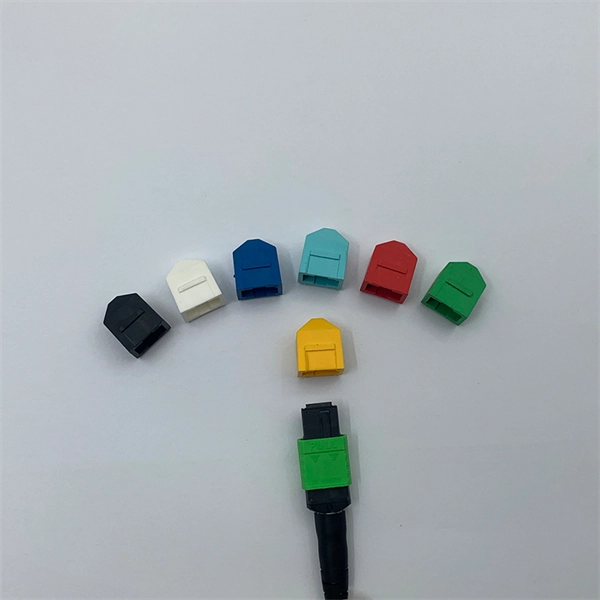
Outdoor fiber optic cables do not require a junction box
Breakout cable is a favorite where rugged cables are desirable or direct termination without junction boxes, patch panels or other hardware is needed. They are made of several simplex cables bundled together insdie a common jacket. This is a strong, rugged design, but is...
[PDF Version]
-
Exposed outdoor fiber optic cables
This guide covers how to safeguard outdoor fiber optics across underground, aerial, direct-burial, and exposed setups. Whether you're linking buildings, running broadband in rural areas, or building 5G infrastructure, the right cable matters. It affects performance...
[PDF Version]
-
Is indoor or outdoor fiber optic cable better
Indoor fiber optic cables are made for use inside buildings. They last longer and work better outside in hard places. At Megnet, we understand that every network has unique requirements, and we're here to guide you in choosing the optimal cable for your setup. 87, IEC 60794...