
Fiber connection and distribution references
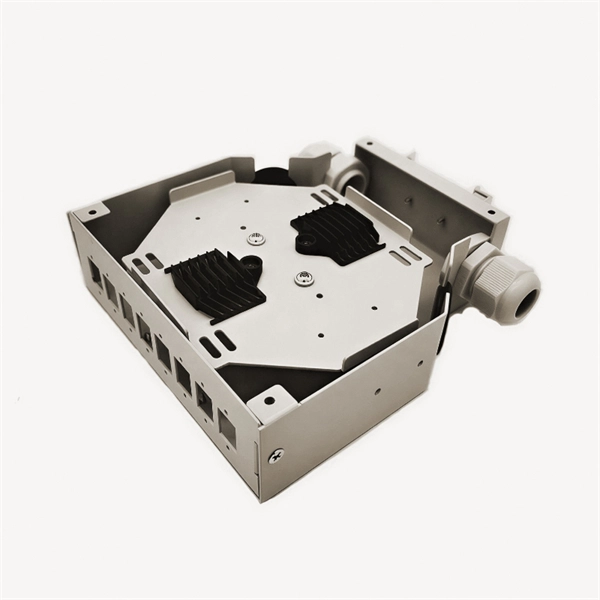
Integrated wiring four types of optical cable indoor wiring
Indoor optical cable should choose tight-buffered optical fiber. At present, most indoor optical cables use tight-buffered optical fibers or single-core
Recommendation ITU-T L.103 (08/2024)
This test method applies to all types of indoor cables for indoor application when it is necessary to consider the friction between cables or between cables and ducts.
The Ultimate Guide to Indoor Fiber Cable in 2025
Explore Indoor Fiber Cable in 2025: types, uses, and installation tips. Find top indoor fiber optic solutions for reliable, high-speed networks with EPCOM.
Indoor/Outdoor Cables
Indoor/Outdoor tight-buffered design allows cables to be installed in intra-building backbone and inter-building campus locations without costly transitions between
Indoor Fiber Optic Cables | Flame Retardant Indoor Cable Products
Indoor riser-rated cable jackets are held to a lower standard than plenum cables. The specially formulated, flame-retardant outer cable jacket and rugged construction of these cables facilitates
Optical Fiber Cables for Indoor/Outdoor Applications
ICEA-696, the optical fiber indoor/outdoor cable standard provides cable design and performance guidance that includes a tight buffer cable option in addition to loose tube and ribbon
What are the typical cabling methods for indoor distribution optical
Whenever you have new fiber optic technologies, selecting the best indoor cabling helps you expand your system easily, depend on it for many years, and save energy. This article examines
Indoor Fiber Optic Cable Types: Top 12 List
This guide explores common indoor cable varieties and their distinct attributes when wiring rooms or structures for high-speed fiber optic links.
Recommendation ITU-T L.103 (08/2024)
This document outlines the recommendations for single-mode optical fiber cables used in telecommunication networks within buildings, focusing on their mechanical and environmental
The difference between the 8 -core optical cable and
Optical fiber cables are used to transmit large amounts of data over long distances. Two popular types of optical fiber cables are 8-core optical cable and
Fiber Optic Cable by the Foot
Fiber Optic Cable by the Foot We offer fiber optic cable by the foot in a variety of fiber types and strand counts to meet your network installation needs. Whether
OPTICAL FIBER CABLE SUITABLE FOR INDOOR AND OUTDOOR
An optical fiber cable is designed for both indoor and outdoor use, making it versatile for different installations. It has a protective outer layer called a cable jacket and a strong support piece
Duplex Flat Indoor Cable Market in the world | Report
The World Duplex Flat Indoor Cable market comprises two‑conductor flat cable assemblies primarily used in structured cabling systems for voice, data, and low‑voltage signal transmission. The
Fiber Optic Indoor Cables
Corning indoor fiber optic cables are used in spaces that require a flame retardant jacket. These cables may be deployed in duct (conduit) or cable tray.
samoa-indoor-drop-fiber-optic-cable Manufacturer/Producer
All suppliers for samoa-indoor-drop-fiber-optic-cable Manufacturer/Producer Find wholesalers and contact them directly B2B martketplace Find companies now!
Network Cable | LAN CABLE | Networking Patch Cord
Owire Group has developed into a network cable, fiber optic cable,optical accessories products R&D and manufacturing. Our products
Top 20 Fiber Optical Fiber Cable Suppliers
As global communication needs rapidly evolve, Europe stands out as a key player in the fiber optic cable manufacturing industry. Several companies
Single-Mode Fiber Cable Guide: Types, Specs & Selection
This comprehensive guide explores Single-Mode Fiber Optic Cable, covering technical specifications, deployment scenarios, and best practices to help you optimize your fiber infrastructure
Related Video Reference
This video was associated with the source search result. Verify technical details against current product documentation and project requirements.