
Huawei Passive Optical Network Pon Splitters Empowering Ftth
Search optical fiber, connectivity, cable management and network infrastructure references.
-
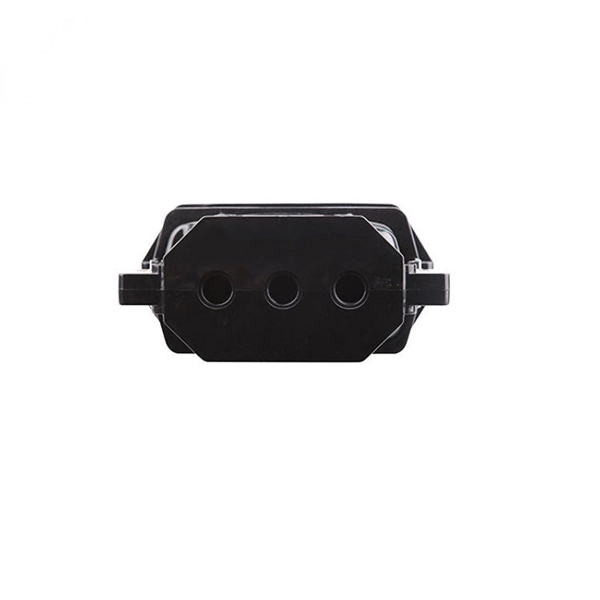
PON network and optical splitter
In a PON network, a device called an optical line terminal (OLT) is placed at the head end of the network. A single fiber-optic cable runs from the OLT to a nonpowered (passive) optical beam splitter, which multiplies the signal and relays it to many optical network . In the...
-
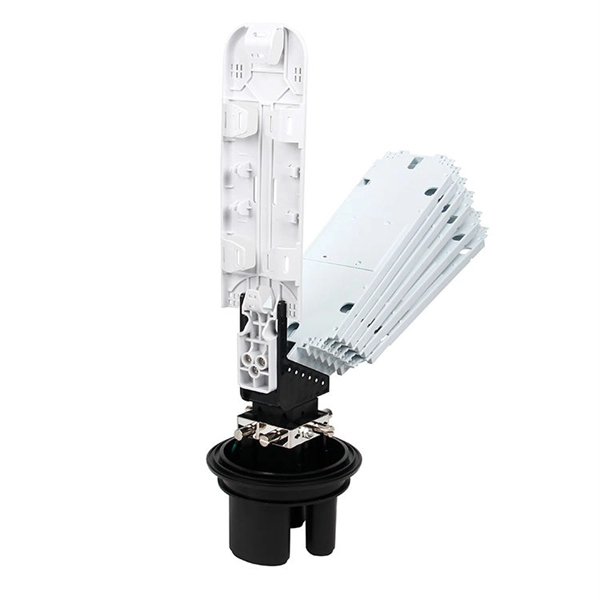
Enterprise Passive Optical Network
Passive Optical LAN (POL) is transforming the way organizations design and manage their network infrastructure. Originally derived from. Passive optical networking (PON), like active optical networking, uses fiber-optic cabling to provide Ethernet connectivity from a main...
-
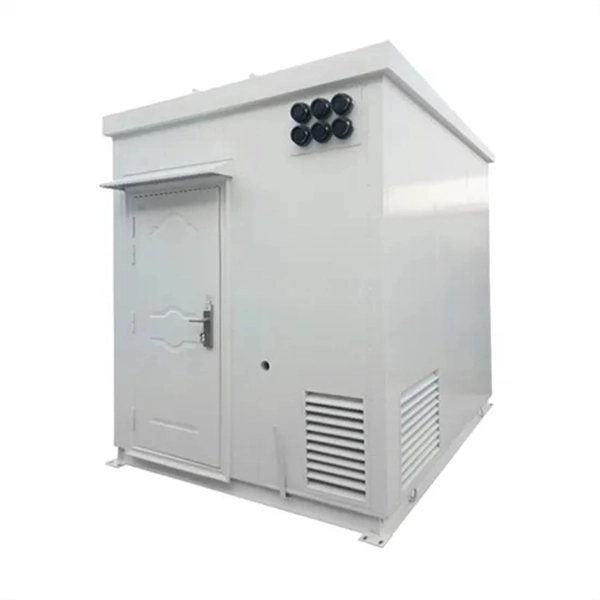
What is Huawei passive optical splitter cascading
The first type is “cascaded” or “distributed cascaded” splitting. ) This involves having 2 or more splitter combinations to arrive at the target split ratio. The Xingmai Passive Ethernet Network (PEN) is an all-optical campus network solution based on the passive technology...
[PDF Version]
-

Passive Optical Network for Airports
A passive optical LAN comprises centrally managed optical line terminals (OLTs) connecting to optical network terminals (ONTs) throughout an airport using single-mode fiber optic cable and passive optical splitters. Each ONT offers multiple network ports to connect and power...
[PDF Version]
-
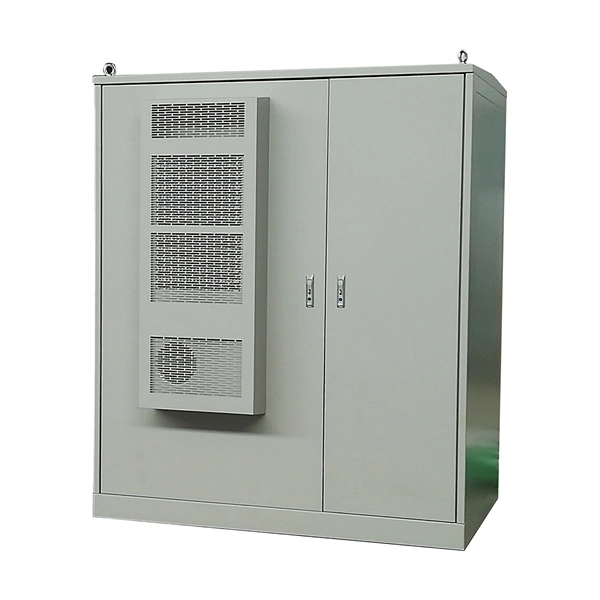
Passive Optical Network Units and Routers
A passive optical network (PON) is a telecommunications network that uses only unpowered devices to carry signals, as opposed to electronic equipment. In practice, PONs are typically used for the between (ISP) and their customers. In this use, a PON has a topology in which an...
-
Ftth Passive Optical Network
For TDM-PON, a passive optical splitter is used in the optical distribution network. In the upstream direction, each ONU (optical network units) or ONT (optical network terminal) burst transmits for an assigned time-slot (multiplexed in the time domain). In this way, the OLT...