
Ht Panel Protection Relay Types And Circuit Diagram
Search optical fiber, connectivity, cable management and network infrastructure references.
-
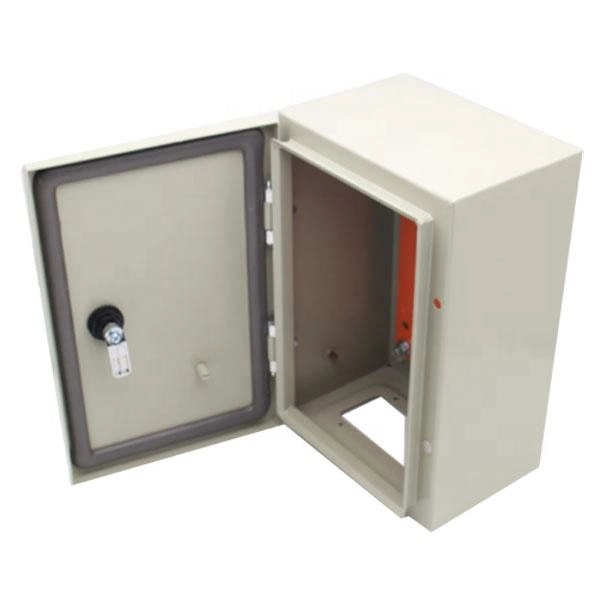
Small busbar for relay protection panel
The smallest passing busbar size will be selected automatically. The busbar sizing calculator determines the required busbar dimensions based on the continuous current rating, short circuit withstand, and thermal limits for switchgear assemblies. The use of busbar for...
[PDF Version]
-
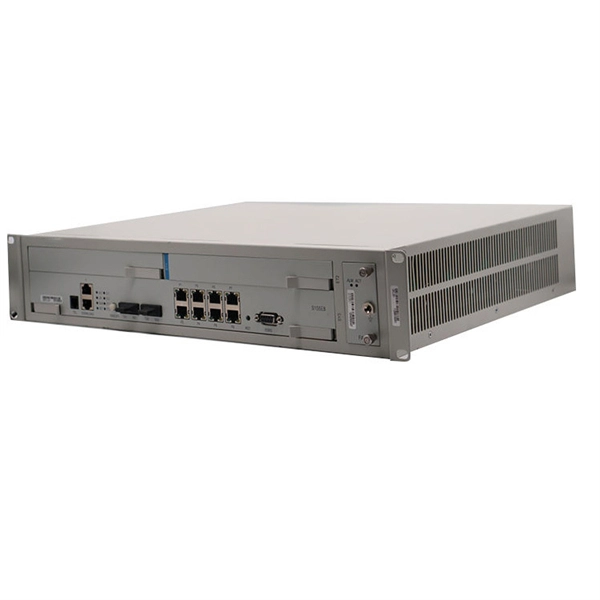
What does the distance to the relay protection panel mean
Its primary function is to detect and isolate faults by measuring the impedance (or distance) between the relay location and the fault point. This protection scheme is commonly utilized in high-voltage transmission lines and distribution networks. It is quite simple to...
-
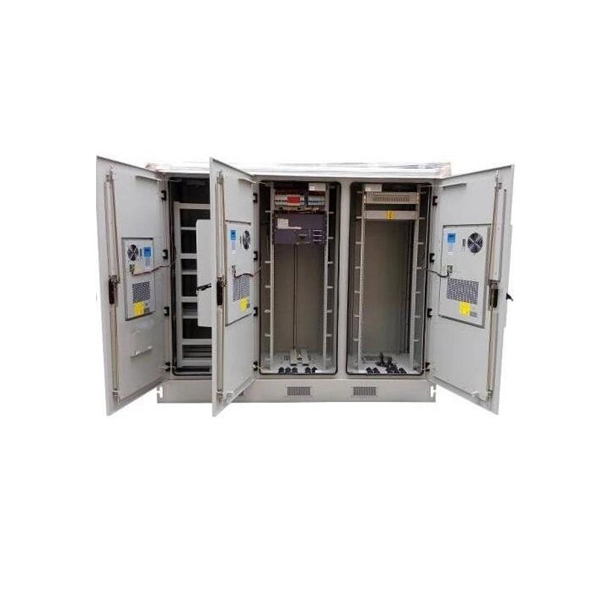
Composition of Relay Protection Panel
Relay Protection Panel: Design & IEC 61439 Compliance | Power PanelsThis guide provides a comprehensive overview of relay protection panels, covering key d.
[PDF Version]
-
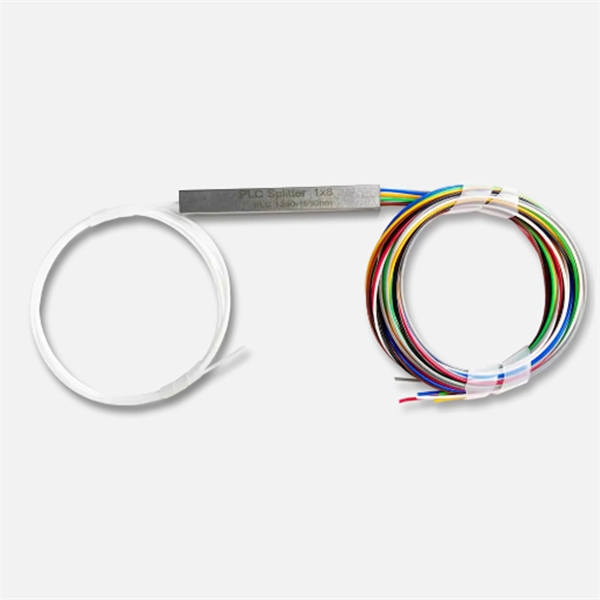
What are the four types of relay protection devices
Types of Protective Relays: Protective relays are categorized by their mechanism (electromagnetic, static, mechanical) and function (time-based, current, voltage). Engineering use: Relays are used on feeders, transformers, buses, motors, generators, and transmission lines to...
-
Comprehensive Order for Enabling and Deactivating Relay Protection
The objective of relay protection is to quickly isolate a faulty section from both ends so that the rest of the system can function satisfactorily. The functional requirements of the relay:.
-
Three-stage line relay protection
Three-stage over-current protection is the most typical over-current protection of power lines. It includes transient rapid-break over-current protection (stage I protection), time-bound rapid-break over-current protection (stage II protection), and definite time. Three-Step...
[PDF Version]
-
Relay Protection Phase Test Standard
The IEEE standard for protection relays refers to a collection of guidelines developed by the Institute of Electrical and Electronics Engineers. These standards define the performance, accuracy, reliability, and. Standardisation is a tool that will ensure your improvements...
[PDF Version]