
How To Prevent Lightning Damage In Fiber Optic Cable Wiring
Search optical fiber, connectivity, cable management and network infrastructure references.
-
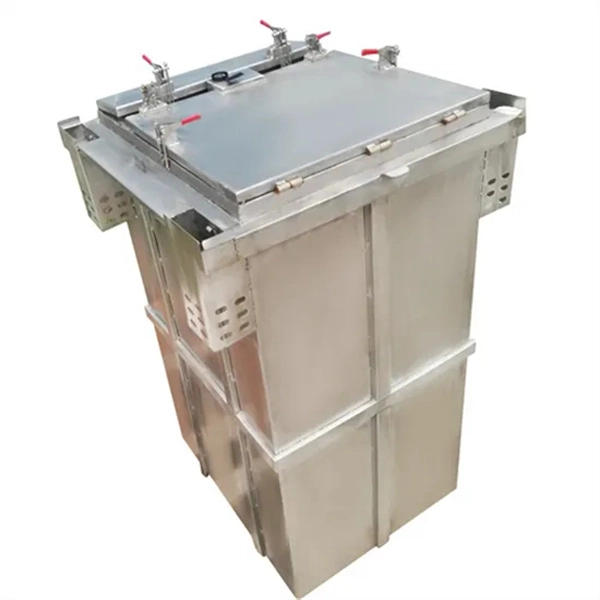
Lightning strike caused damage to fiber optic cable
Lightning poses several significant risks to fiber optic cables and the networks they support: Cable Damage: A lightning strike can directly damage fiber optic cables, causing signal loss, equipment failure, or complete network outages. And this blog talks about the main...
-
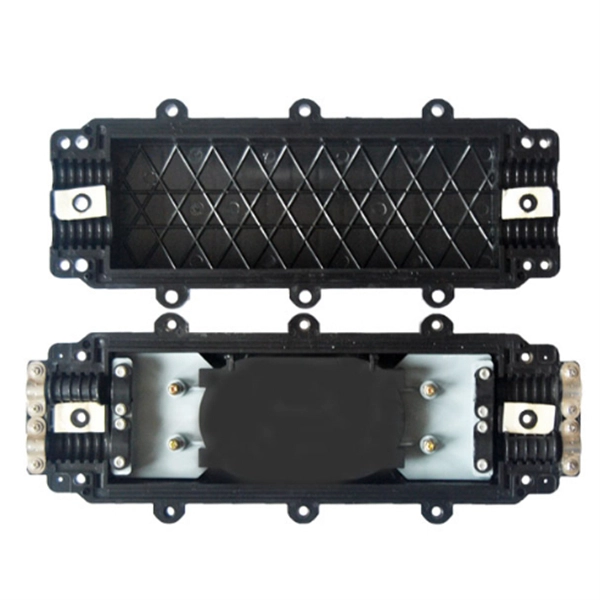
How to prevent circuit breakers from tripping in distribution boxes
Test protection devices like circuit breakers regularly. Ensure they function correctly to maintain safety and prevent unnecessary trips. Regular checks and balancing loads can significantly reduce the risk of tripping. For facility managers, electricians, and project owners...
[PDF Version]
-
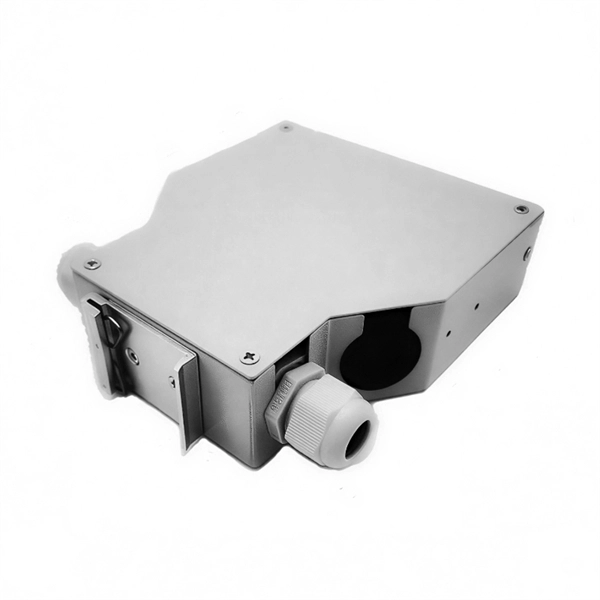
How to prevent fiber optic patch cords from warping
Use the right way to handle fiber patch cords. This keeps your network working well. It also follows the latest rules. Planning ahead helps you. Enhanced management of fiber optic patch cords not only increases the reliability and flexibility of the fiber optic network system...
[PDF Version]
-
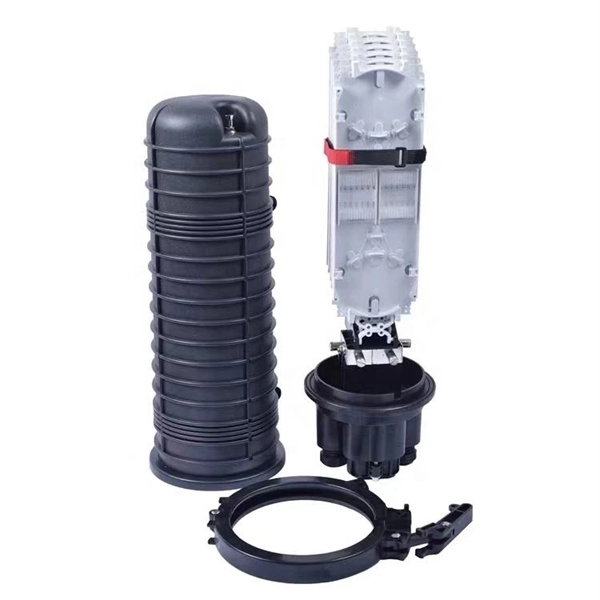
How to prevent dust from fiber optic patch cords
Clean them to stop dust from building up. Train your staff. Pick the right fiber patch cord for your network. Keep everything clean by checking connectors often. Network performance is only as good as the weakest link, and the weakest link is wherever a fiber endface is...
[PDF Version]
-
How much does it cost to install a surveillance system with a 4-core fiber optic cable
Wired IP installations commonly cost $125–$450-450 per camera installed, or $500–$1,600-1,600 for a 4-camera system. A 4-camera home system and a 32-camera warehouse system are fundamentally different projects with different budgets, different hardware requirements, and...
[PDF Version]
-
How many kilometers is the ZR optical module
ZR (Longest Reach) - 80 to 120 Kilometers ZR transceivers represent the ultimate in pluggable optical reach, using either high-performance direct detection (for 10G/40G) or coherent detection with DSP (for 100G/400G+). • This is the baseline OIF 400ZR standard for 400 Gbps...
[PDF Version]