
How To Organize Cables And Wires Like A Pro
Search optical fiber, connectivity, cable management and network infrastructure references.
-
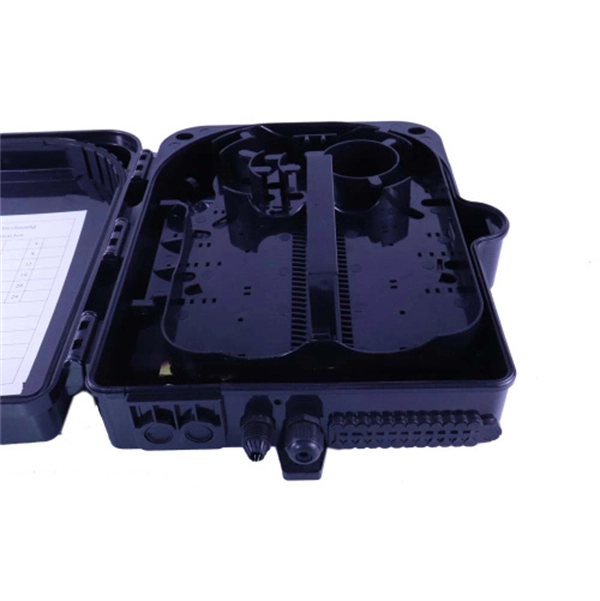
How to handle wires and cables entering cable trays
This guide covers the critical steps, from selecting the right electrical cable tray and performing accurate cable fill calculations to managing a safe cable pull through and ensuring all bonding and grounding requirements are met. This guide will walk you through the simple...
-
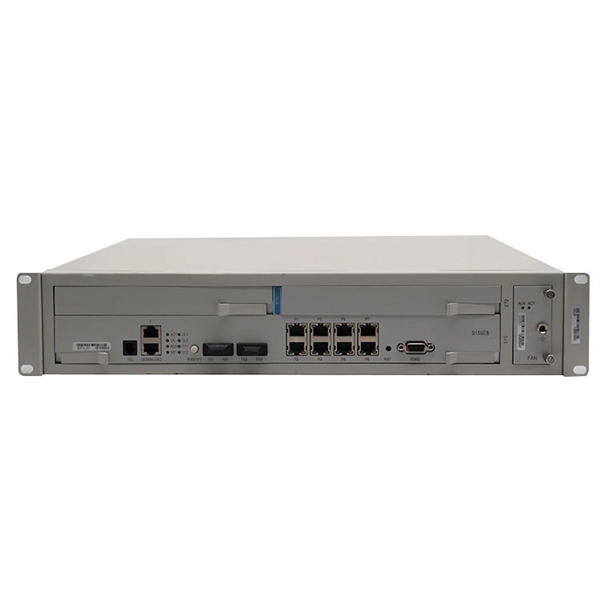
How to manage cables in a small network cabinet
A cable management rack is designed to route, protect, and organize copper and fiber cables inside network cabinets. Beyond keeping cables tidy, a well-structured cable manager reduces cable stress, improves heat dissipation, and ensures bend-radius compliance for data. Poor...
-
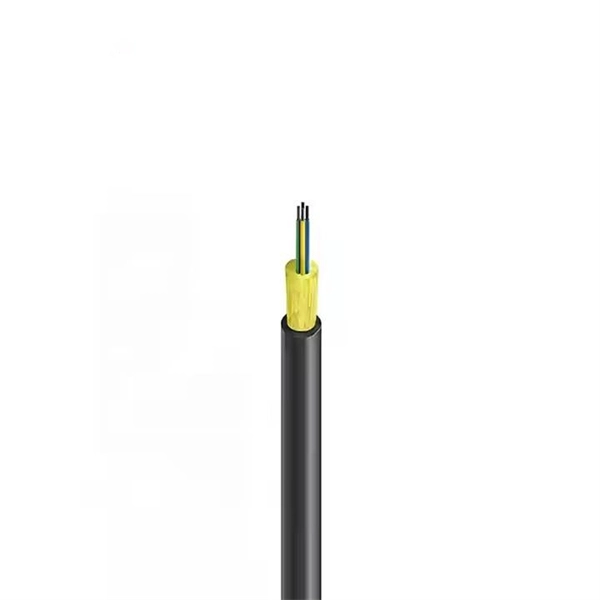
Do fiber optic patch cords have steel wires and how are they connected
Armored: Contains a steel layer for additional protection in harsh environments. LC: Compact, common in data centers SC: Push-pull, often in telecom FC: Screw-on, used in test labs ST: Twist-lock, legacy systems When ordering fiber patch cords, always confirm the following...
[PDF Version]
-
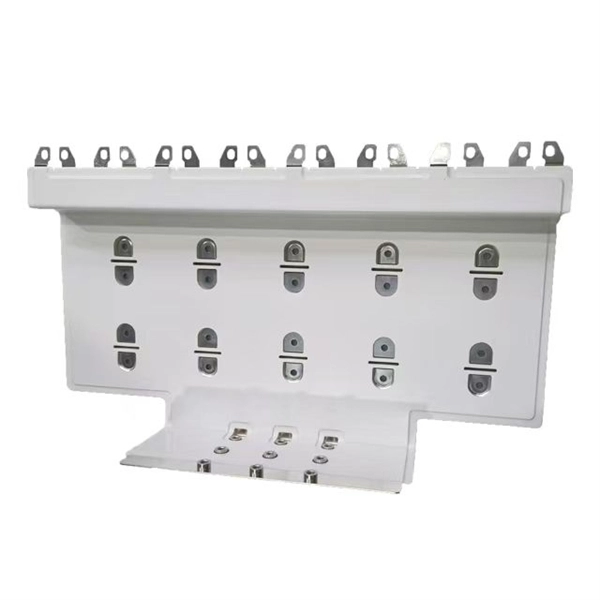
How many electrical wires should be connected to a level 3 distribution box
1) Generally, the incoming line of power distribution box adopts five wire system, i. three phase lines a, B and C (generally yellow, green and red), one zero line (light blue) and one ground line (yellow with green stripes). Whether in a home or an industrial facility, this...
-
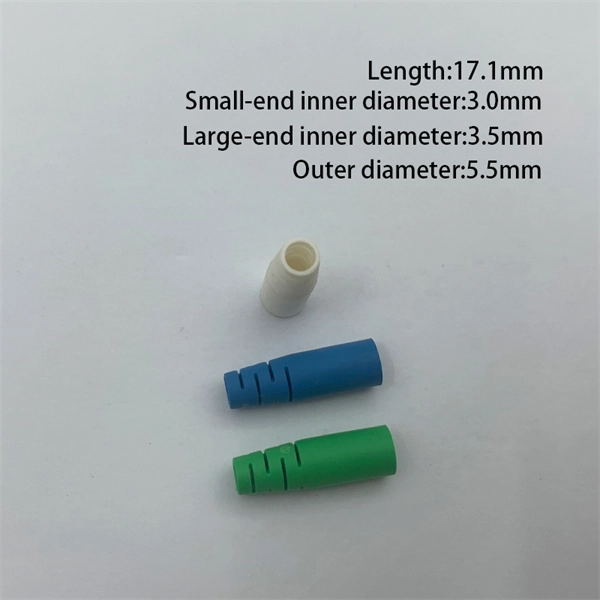
How many cables are needed to connect the fiber optic cable to the switch
SFP transceiver modules almost always require two fiber optic cable strands. Fiber optic patch cords are fiber cables terminated with connectors on both ends, used to establish optical connections between devices or between devices and patch panels. They can be categorized...
[PDF Version]
-
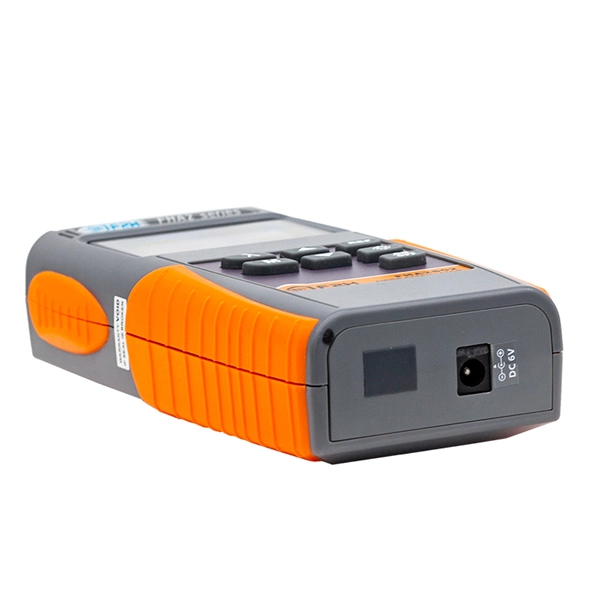
How to select panel interfaces for fiber optic cables
In this guide, we'll walk through the key factors to consider — from port density and connector types to mounting styles and build quality — and highlight a few Amerifiber patch panels worth a closer look. Their role is mechanical and organizational rather than optical...
[PDF Version]
-
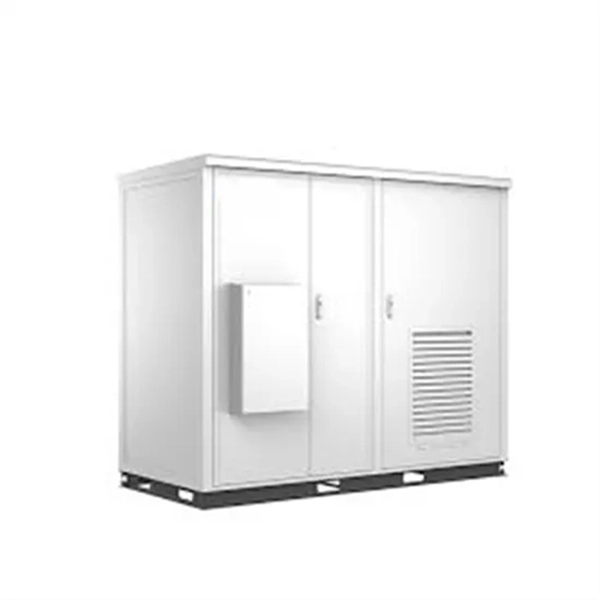
How to connect cable trays and wires in a basement
In general, for a proper basement wiring process, follow these steps. Install the sub-panel for the unfinished basement. Run the cable from the outlets, switches, and. Connecting cable trays correctly is essential for system safety, load stability, and long-term performance...
[PDF Version]
-
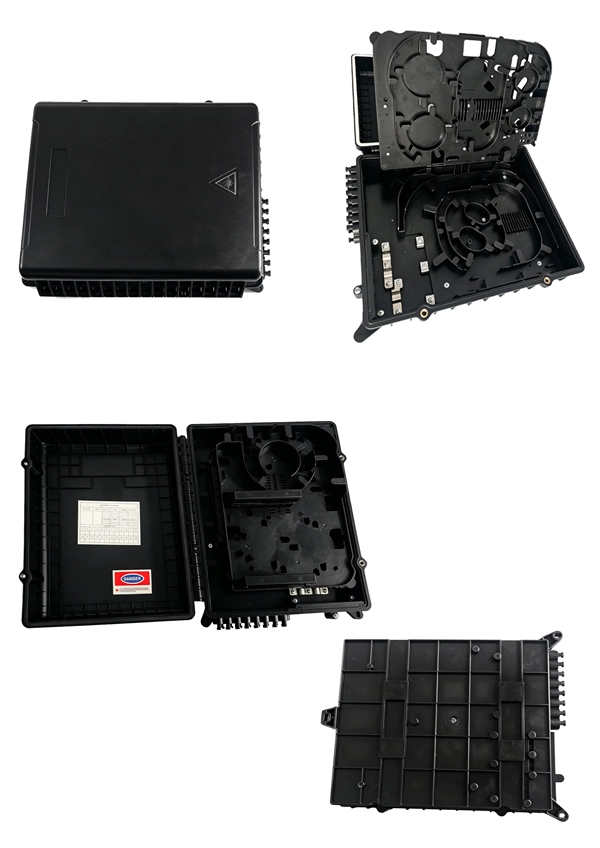
How to drill holes for outdoor fiber optic cables
Select a drill bit appropriate for the wall material and cable type: Wood Framing: Use a standard wood drill bit with a sharp point. Concrete Block: Use a masonry drill bit designed for concrete or brick. Brick: Use a specialized diamond-tipped drill bit for brick or...
[PDF Version]
Explore the next connection
- Standard electrical cable tray specifications and dimensions
- What are some brands of central communication optical cables
- Rubber strips for cable tray partitions
- Bxmd quick-connect explosion-proof distribution box
- What material is a pigtail connector made of
- Fiber core sequence of each tube in a 48-core optical cable
- Fiber optic patch panel with monitoring
- Single-mode 8-core gigabit optical cable