
How To Cut Channels Cable Ladders And Cable Trays
Search optical fiber, connectivity, cable management and network infrastructure references.
-
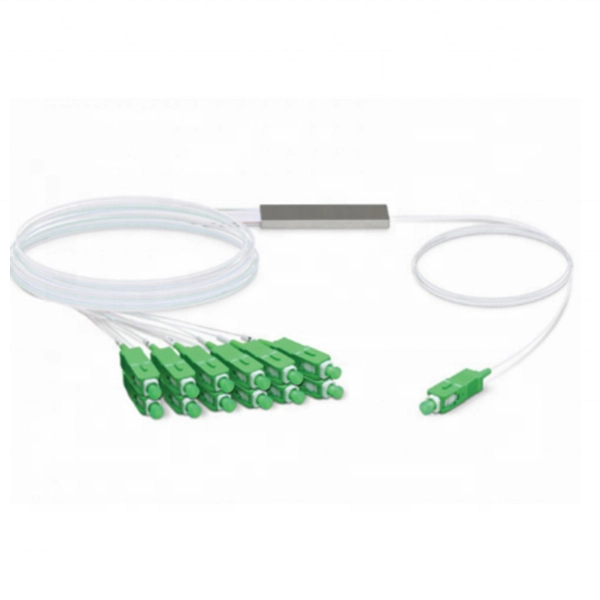
How to cut a 6-core fiber optic surveillance cable
Use a specialized fiber optic cable cutter to ensure a clean break, removing any damaged section to allow for a proper splice or termination. Here's a more detailed breakdown: Use the Right Tool: Avoid using regular wire cutters or scissors. These can crush or shatter the...
[PDF Version]
-
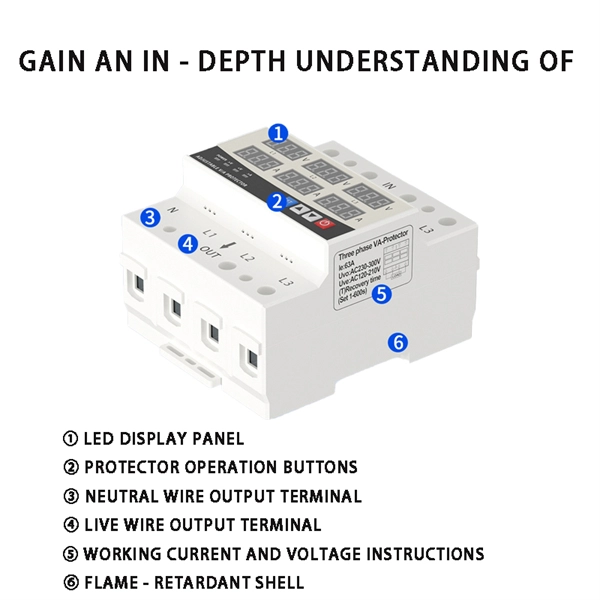
How to cut the cover plate of a three-way cable tray
Follow these steps to cut the stainless steel cable tray: 1. Begin cutting with slow, steady strokes if using a hacksaw, or carefully guide the power saw along the marked line. Apply consistent. In the Oglaend System Cutting Guideline you can easily find out what the optimal...
-
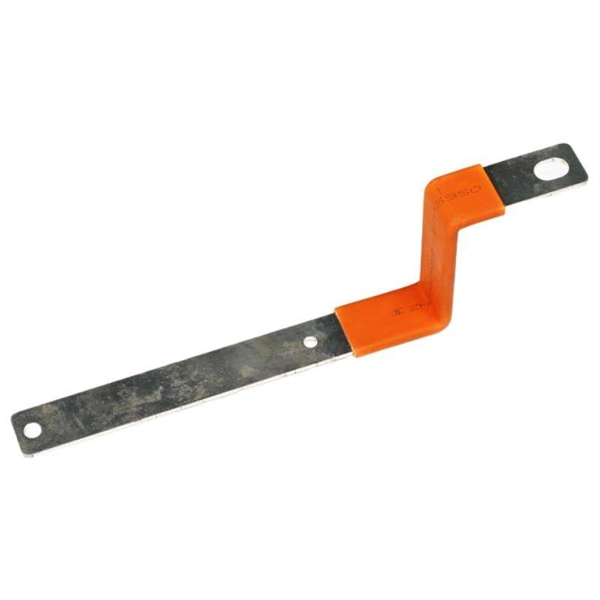
How to cut inside an optical cable
Use the Right Tool: Avoid using regular wire cutters or scissors. These can crush or shatter the glass fibers within the cable. Fiber optic cables are essential components in today's communication infrastructure. They transmit data as pulses of light through strands of glass...
-
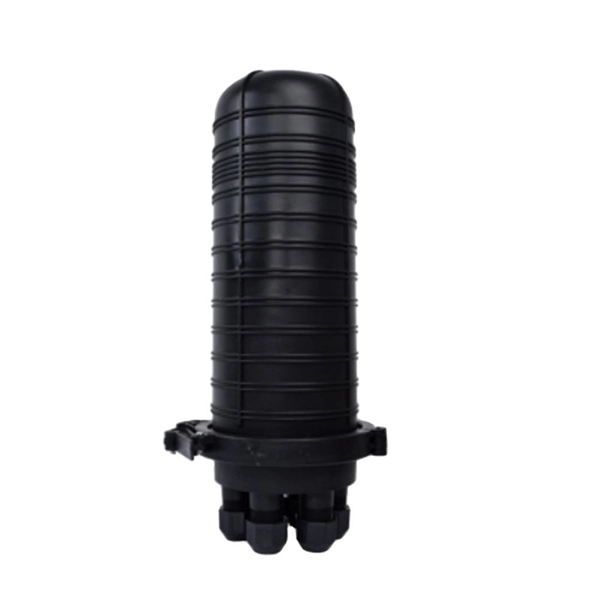
How many degrees should the cold-joint fiber optic cable be cut to
The ideal cleave angle is typically 90 degrees (perpendicular to the fiber axis). Some connectors may tolerate a slight angle, but minimizing the angle is crucial for minimizing signal loss. Optical fiber cold splicing and hot melting The steps of optical fiber cold splicing...
[PDF Version]
-
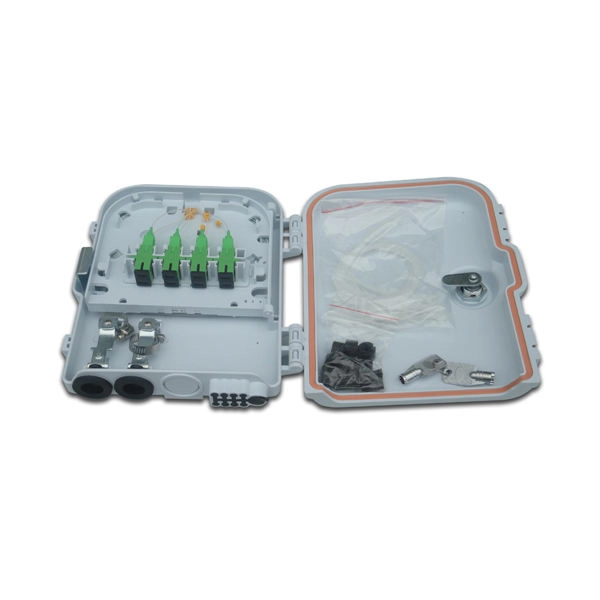
How much does it cost to install a surveillance system with a 4-core fiber optic cable
Wired IP installations commonly cost $125–$450-450 per camera installed, or $500–$1,600-1,600 for a 4-camera system. A 4-camera home system and a 32-camera warehouse system are fundamentally different projects with different budgets, different hardware requirements, and...
[PDF Version]
-
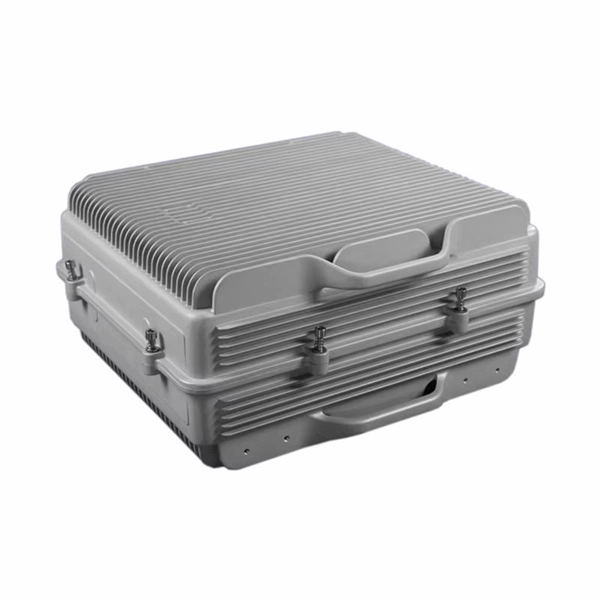
How is the backbone fiber optic cable connected
A backbone cabling system provides connections within your facility, from your reception to your production floor and storage rooms, to ensure everything stays connected. Backbone cablings hold together you.