
Fiber connection and distribution references
How to Connect Fiber Optic Cable to Router: Complete Guide 2025
By following this detailed guide, you''ve not only learned how to connect fiber optic cable to router properly but also how to optimize and maintain that connection for peak performance.
How to Connect Fiber Optic Cable to Router: A Step-by-Step Guide
However, setting up a fiber optic connection to your router can seem daunting if you''re unfamiliar with the process. In this guide, we''ll walk you through how to connect a fiber...
How To Install Fiber Optic Cable Connectors?
These differences result in slight variations in the steps for inserting the optical fiber into the connector. Here, we will use the LC connector as an example to explain the detailed operating
How to Install Fiber Optic Connectors? Types, Tools
Step-by-step instructions on how to install fiber optic connectors like LC, SC, and ST. Includes tool recommendations, epoxy and polish method, and
How to Connect a Fiber Optic Cable to a Router
Connect fiber internet correctly. Learn the essential hardware bridge and sequential steps needed to link the optical line to your router.
Fiber Internet Installation: Step-by-Step Guide (2026)
Once you confirm that fiber internet is available, you must schedule a professional fiber optic installation. Your internet service provider will send a technician to install a fiber terminal, which
Fiber Connector Installation: Ultimate Guide 2025
This guide covers the entire process, from understanding connector types and tools to mastering the critical steps of preparation, assembly, polishing, and testing. These techniques will help you achieve
How to Connect Fiber Optic Cable to Router: Top 5
Learn how to connect fiber optic cable to router with our step-by-step guide. Optimize your home network for speed and reliability!
How Do You Connect Fiber Optic Cable? A Step-by-Step Tutorial for
Connecting fiber optic cable takes the right tools, a steady hand, and a few simple steps: prep the fiber, make a clean join with a splice or connector, and test the link for signal quality.
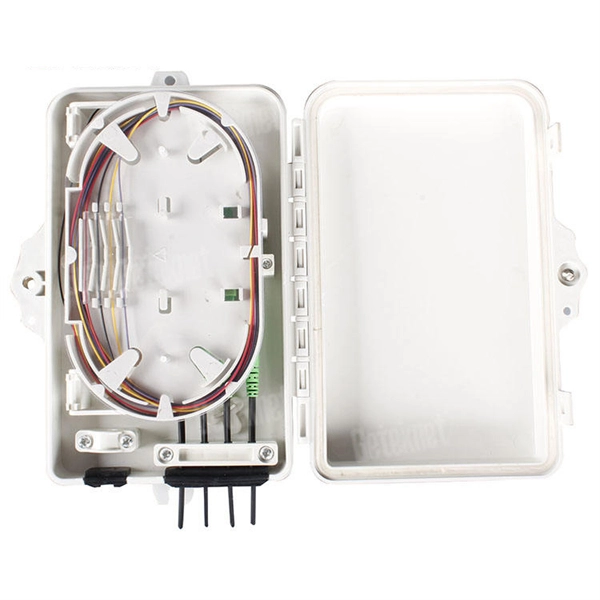
16/24/48 Core FTTH ABS Fiber Optic Terminal Box
Product Details This terminal box serves as a crucial termination point in FTTX communication networks. It connects feeder cables with drop cables,
Fiber Optic Terminal Box Market in the world | Report
The World Fiber Optic Terminal Box market sits at the intersection of broadband infrastructure expansion and industrial network modernization. A fiber optic terminal box—also
How is fiber-optic internet installed?
How is fiber-optic internet installed? As high-speed and high-tech as fiber internet is, the installation process can be very simple. The biggest difference between
How Many Core In Fiber Optic Cable Do I Need
This is because apart from one-core optical fiber, there are basically no optical cables with an odd number of cores, such as three-core, five-core, etc. It is worth noting while one optical core
Want a Fiber Internet Connection? Read This First
Additionally, fiber-optic cables are less susceptible to interference than coaxial cables or fixed wireless technology. That means your latency will likely be much
⚡ 7mm armored optical fiber splitter|lc dual port
Last week, i helped a friend set up a fttr (fiber to the receptacle) whole-home fiber network. his villa has four floors, and the main optical modem is located in the basement. we needed
Fiber Optic Connector Types: A Beginners Guide
The fiber connector types, sometimes referred to as terminations, link fiber optic cables together through terminals, switches, adapters, and patch
TDS Fiber | Best Fiber Optic Internet Provider Near Me
Fiber internet is an advanced broadband connection that utilizes thin strands of glass or plastic, known as optical fibers, to transmit data at unparalleled speeds and with increased reliability. Unlike
Fibre Optic Network Design Principles – Wray Castle
Introduction to fibre optic network design Fibre optic network design is the structured engineering process of planning how optical fiber infrastructure connects buildings, campuses, cities,
Related Video Reference
This video was associated with the source search result. Verify technical details against current product documentation and project requirements.