KENHARDT OPTICALNetworks across Africa Talk through a project
Fiber systems / Technical reading Optical reference library

What does fiber optic cable termination include

Inside this technical reference
Source context

AI source overview

Fiber optic cables are terminated using either connectors for removable joints or splicing for permanent joints, with key characteristics including low insertion loss, minimal reflectance, and high mechanical strength.

Overview of Fiber Termination

Fiber optic termination is the process of preparing the end of a fiber optic cable to connect to another fiber, device, or network, ensuring optimal signal transmission and durability. Proper termination prevents excessive signal loss, protects the fiber from contamination, and maintains network performance over time. Termination Methods1.

Connectors

Connectors create temporary, removable joints between fibers or between a fiber and network equipment. They typically consist of a ferrule, often made of ceramic, which aligns the fiber for precise mating. Common connector types include SC, LC, ST, and MPO, with variations for single-fiber or multi-fiber applications.

Characteristics of connectors: Insertion Loss: Typically ≤0. 3 dB per connector in singlemode systems. Reflectance (Optical Return Loss): Measures light reflected back toward the source; critical for high-bit-rate and analog systems.

Mechanical Strength: Must withstand repeated mating cycles and environmental conditions. Ease of Use: Allows quick installation and reconfiguration of networks. Special Designs: Expanded-beam connectors reduce sensitivity to dirt and misalignment.

2.

Splicing

Splicing creates a permanent joint between two bare fibers. It is preferred for long-distance, high-bandwidth, or outside plant installations where minimal signal loss is critical. Types of splicing: Fusion Splicing: Uses an electric arc to melt and fuse fiber ends, producing extremely low insertion loss (≈0.

1 dB) and high durability. Ideal for long runs and high-performance networks. Mechanical Splicing: Aligns fibers using a gel or adhesive, offering faster and lower-cost installation but slightly higher insertion loss (0.

2–0. 75 dB) and lower long-term reliability. Characteristics of splices: Insertion Loss: Fusion splices typically ≤0.

1 dB; mechanical splices slightly higher. Reflectance: Minimal in fusion splices; mechanical splices may have slightly higher return loss. Durability: Fusion splices are highly robust; mechanical splices are less durable under environmental stress.

Application: Fusion splicing is preferred for outside plant, metro rings, and FTTH networks; mechanical splicing is used for quick repairs or temporary connections.

Performance Considerations

Insertion Loss: The reduction in optical power at a termination point; lower values indicate better performance. Return Loss: The amount of light reflected back toward the source; high return loss (low reflectance) is critical for analog and high-speed digital systems. Standards Compliance: IEC 61300 and ITU-T G.

652. D define acceptable ranges for insertion loss and reflectance. Environmental Protection: Terminations must be compatible with the installation environment, including temperature, moisture, and mechanical stress.

Summary

Choosing the appropriate termination method depends on network requirements: Connectors are ideal for flexible, reconfigurable networks with moderate performance needs. Fusion splicing is optimal for permanent, high-performance, long-distance links. Mechanical splicing offers a cost-effective, quick solution for temporary or low-volume installations.

Both methods aim to achieve low optical loss, minimal reflectance, and high mechanical reliability, ensuring efficient and durable fiber optic network performance.

Research context

Reference summary

The FOA Reference For Fiber Optics Fiber optic joints or terminations - where cables are terminated - are made two ways: 1) connectors that mate two fibers.

From reference to enquiry

Questions for your project

Use these editorial prompts alongside the linked excerpts. They identify items to confirm for your project.

Detailed reading / connection to installation

Fiber connection and distribution references
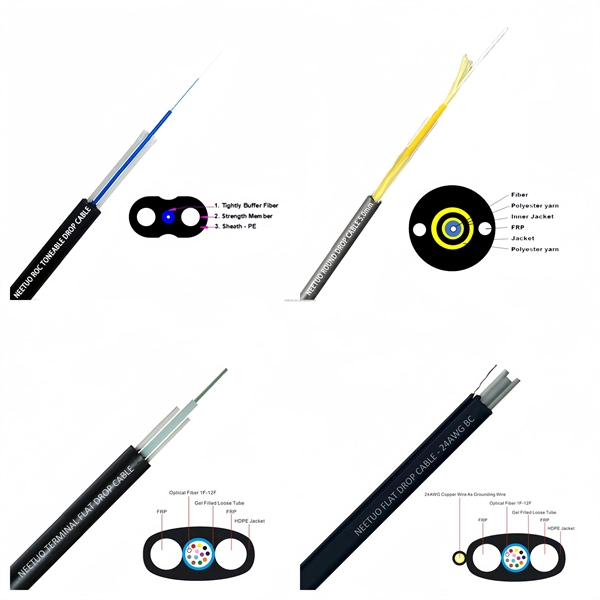
What does fiber optic cable termination include
Equipment illustration / verify against the selected product

The FOA Reference For Fiber Optics

Fiber optic joints or terminations - where cables are terminated - are made two ways: 1) connectors that mate two fibers to create a temporary joint and/or connect the fiber to a piece of network gear (left) or

Everything you need to know about fiber optic termination

We terminate fiber optic cable two ways - with connectors that can mate two fibers to create a temporary joint and/or connect the fiber to a piece of network gear or with splices which create a permanent

Fiber Optic Cable Termination Guide | Fusion & Mechanical

Learn fiber optic cable termination methods including fusion splicing and mechanical connectors, tools, steps, and best practices for low-loss networks.

How To Terminate Fiber Optic Cable: Connectors & Splicing

Learn how to terminate fiber optic cable using mechanical connectors or fusion splicing. We cover the tools, cleaning, and testing for low-loss connections.

Fiber Optic Connector Termination: A Professional Technical Guide

In summary, successful fiber connector termination hinges on three critical factors: project-specific installation requirements, accurate cable type identification, and appropriate connector selection.

Understanding Fiber Termination Techniques: Splicing vs. Connectors

There are two primary techniques for terminating fiber optic cables: Splicing: Joining two fiber optic cables permanently. Connectors: Attaching removable connectors for quick and flexible

Fibre Optic Termination Techniques – Wray Castle

Fibre optic termination techniques fall broadly into connector terminations, mechanical splicing, and fusion splicing, each tailored to specific environments and performance needs.

Fiber Optic Connector Types: A Beginners Guide

The fiber connector types, sometimes referred to as terminations, link fiber optic cables together through terminals, switches, adapters, and patch panels, by bridging the gap between their

Optical Fiber Termination Types Chart: SC, LC, FC, ST Comparison

In this guide, we break down the most common optical fiber termination types, including SC, LC, FC, and ST. We''ll walk you through what each connector does best, where it is used, and

Fiber Optic Splitter: How It Works & Types Guide

This guide demystifies fiber optic splitters, explaining their design, operating principles, types, key specifications, and real-world applications.

Fiber Optic Cabling Installation In St. Paul And Minneapolis: Costs

How much does fiber optic cabling installation cost in St. Paul MN? A small office with 2 to 4 drops under 300 feet usually lands between $3,000 and $8,000 installed, including materials,

Fiber Optic Cable Color Code: Complete Installation

Fibers, cable jackets and connectors are clearly marked using a standardized fiber optic color code. Learn more about how this works.

Fiber Optic Tool Kits | Termination, Splicing & FTTH

Equip your team with our professional Fiber Optic Tool Kits. Designed for FTTH installation and network repair, these sets include high-precision fiber strippers,

How to Install a Fiber Optic Termination Box (FTTH Steps)

Learn how to install a fiber optic termination box step-by-step for FTTH projects. Covers mounting, splicing, routing, labeling, and testing for indoor/outdoor use.

The FOA Reference For Fiber Optics

Outside Plant Fiber Optic Cable Jump To: Fiber Optic Cable Construction Fiber Optic Cable Types Cable Design Criteria Choosing Cables Cable Types: (L>R):

Voice & Data Network Cabling Services | Installation of Cat5e, Cat6

National directory of voice & data cable installation companies. Get free quotes from local voice / data network cabling contractors specializing in the installation of CAT 5, CAT 6 and fiber optic cable

Fiber-optic cable

A fiber-optic cable, also known as an optical-fiber cable, is an assembly similar to an electrical cable but containing one or more optical fibers that are used to carry light. The optical fiber elements are

How Much Does Fiber Optic Cable Cost? 2025 Factory

Searching for how much does fiber optic cable costs? Stop guessing. We break down 2025 prices for OS2, OM3, and Armored cables directly from the Wolontek

Related Video Reference

This video was associated with the source search result. Verify technical details against current product documentation and project requirements.

Make the connection clear

Share the fiber interfaces, termination capacity, cable route and evidence required for handover.

Send a project brief