
How To Choose The Best Ai Server With Multiple Gpu For Your Workload
Search optical fiber, connectivity, cable management and network infrastructure references.
-
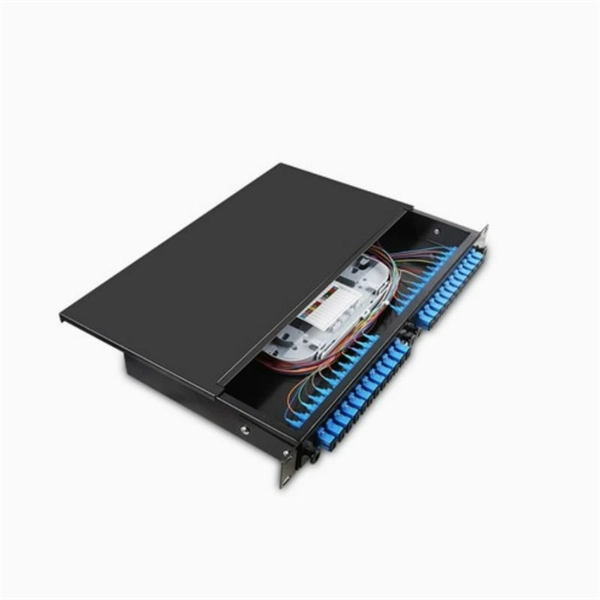
How to Choose an Outdoor Distribution Box in Angola
Expert Tip: When selecting an outdoor distribution box, always consider the IP (Ingress Protection) rating to ensure adequate protection against dust and water. For harsh environments, look for IP65 or higher. What is an Outdoor Electrical. 🛠️ Lock in safety and style with...
[PDF Version]
-
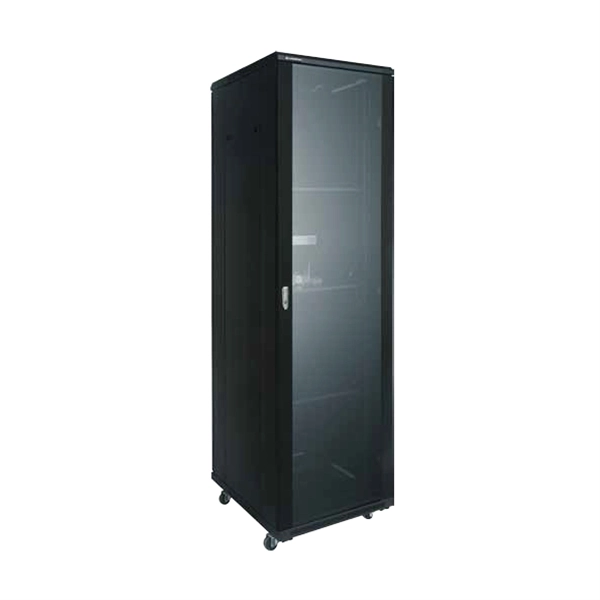
How much fiber optic cable pullback looks best
Fiber should be pulled through conduit or innerduct. Innerduct/Conduit fills should never be more than 50%. Some codes (The NEC if read the right way) require a 40% max. Was this article. Fiber optic cable is surprisingly strong, durable and pliable; however, several best...
[PDF Version]
-
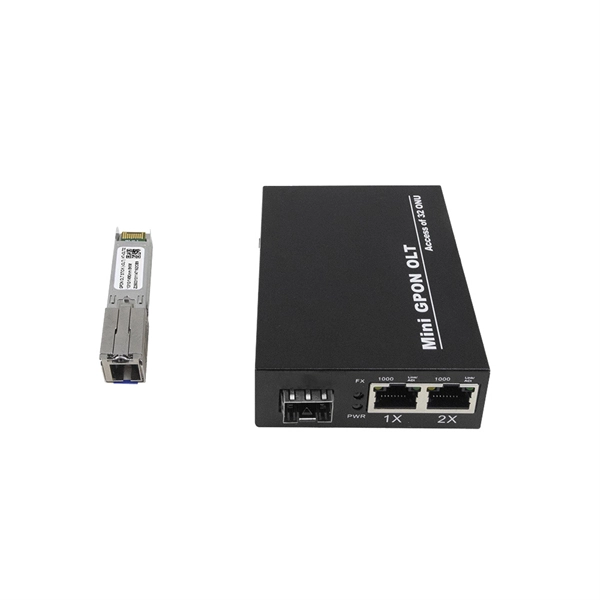
How to Choose a Waterproof Junction Box for IoT and Remote Monitoring
There are five core points in choosing a waterproof junction box: environment, risk of water ingress, number of cables, internal structure, and installation method. In general industrial environments, stainless steel 304 waterproof junction boxes are sufficient. What Are IP...
[PDF Version]
-

Comparison of Intelligent Fiber Optic Terminal Boxes and How to Choose Them
A practical, expert-backed guide to selecting the right fiber optic terminal box—covering IP rating, splice capacity, mounting options, environmental resilience, and real-world deployment criteria. In every fiber build, there's a quiet place where the glass path meets the...
[PDF Version]
-
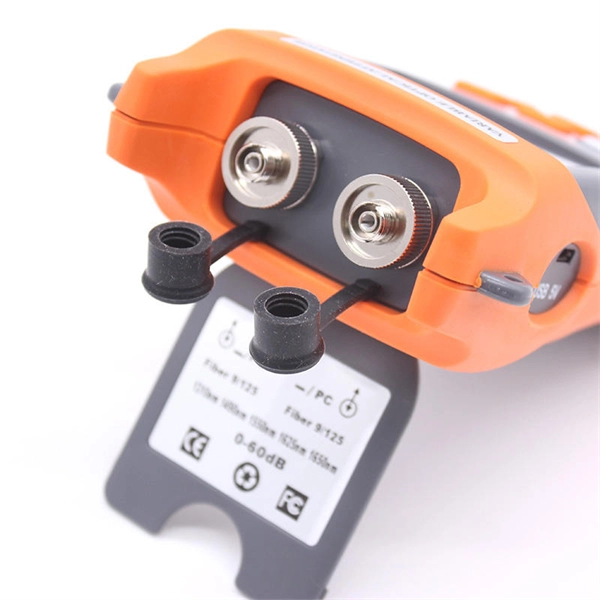
How to Choose Twisted Pair Cables and Fiber Optic Cables
Optical fiber offers higher bandwidth, longer distance transmission, and superior resistance to electromagnetic interference compared to twisted pair cable, which is more cost-effective and easier to install for shorter distances. A Twisted Pair Cable and a Optical Fiber...
-
How to choose between two beam splitters
Non-polarizing beamsplitters are specified by their splitting ratio, i. These exiting beams are differentiated by either their optical power (non-polarizing) or polarization states (polarizing). The split ratio of light transmittance and reflectance is 1:1 and is called a...